UK inflation climbs to 3.3% in March as Iran war drives fuel costs

UK inflation climbs to 3.3% in March as Iran war drives fuel costs
Inflation rose to 3.3% in March as fuel prices jump amid the Iran conflict, with airfares and food contributing to higher living costs.
The UK inflation rate rose to 3.3% in the year to March, providing the first official glimpse of how the Iran war is affecting the cost of living. The rise was largely driven by higher fuel costs, with petrol and diesel prices climbing at the fastest pace in more than three years. Airfares and food also contributed, while clothing costs provided the only notable offset.
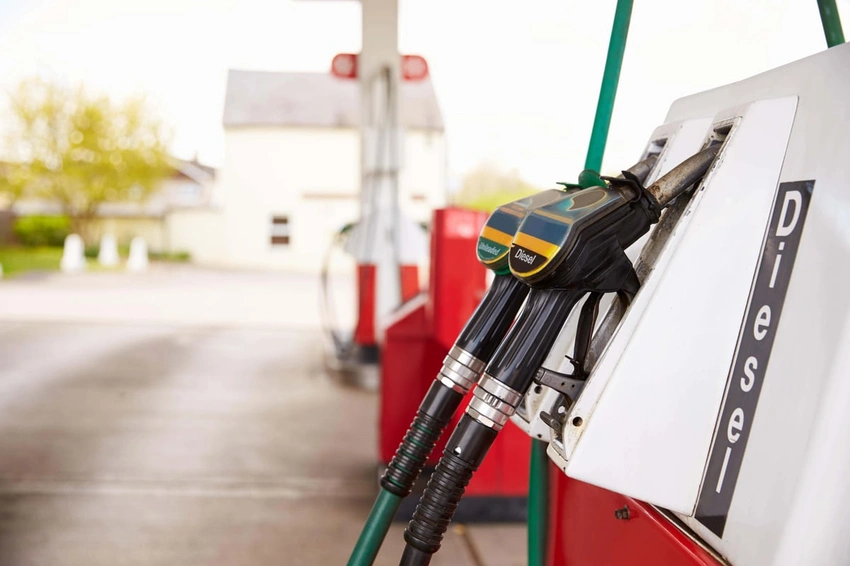
Wholesale energy prices have surged since the war began on 28 February, with disruptions to production and transportation across the Middle East pushing up crude oil and petrol costs. Motor fuel increased by 8.7% month on month, the largest rise since June 2022; over the year to March, fuel prices were up 4.9%.
ONS Chief Economist Grant Fitzner noted that the monthly cost of raw materials for businesses and goods leaving factories rose substantially, driven by higher crude oil and petrol prices. The Easter timing also boosted airfares this year, contributing to the overall lift in inflation.
Economists say inflation is likely to stay higher this year, with forecasts pointing to a peak around 3.5% to 4%. That would still be well below the double‑digit rates seen at the peak of the Ukraine conflict in 2022, but it places continued pressure on household finances. The Bank of England’s 2% target remains the key reference point for policymakers.
The March data were collected in the middle of the month, a few weeks into the war, capturing early effects on prices faced by consumers and businesses and signaling that energy costs could keep inflation elevated in the near term.
