Reporter recalls the moment Huntley lied during Soham interview

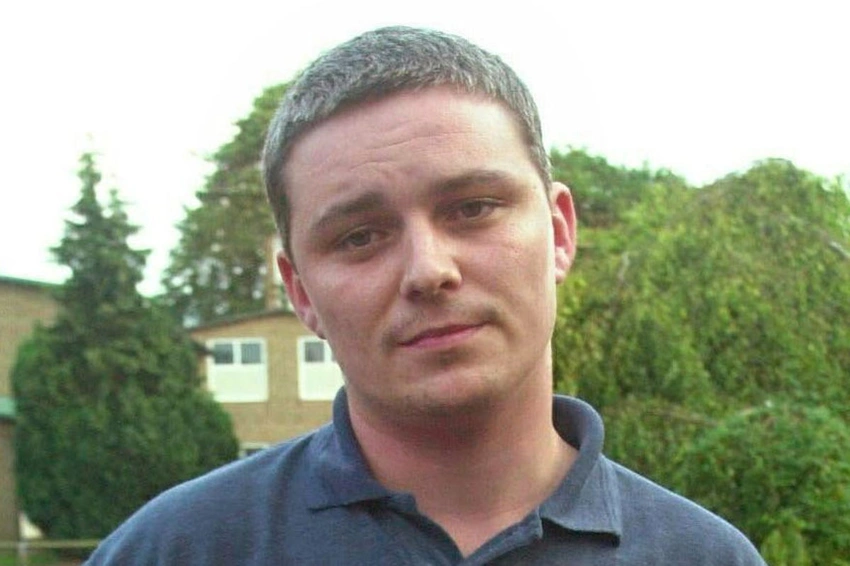
Reporter recalls the moment Huntley lied during Soham interview
A veteran journalist explains why he reported Ian Huntley after an interview, spotlighting the silent clues that hinted at deception in the Soham case.
Brian Farmer, the first journalist to interview Ian Huntley after the disappearance of Holly Wells and Jessica Chapman, has described the moment he became convinced Huntley was not telling the truth. He spoke about the August 2002 encounter, conducted while Huntley was a caretaker in Soham, and the subsequent decision to relay concerns to police. Farmer, who later joined the BBC, said the interview with Huntley and his partner Maxine Carr raised questions that went beyond what was said. He recalls Huntley painting a quiet domestic scene—washing his Alsatian Sadie on a Sunday evening—yet what struck him most was not the words spoken, but the details left out. There was no mention of the dog in the conversations that followed, a gap Farmer found hard to reconcile with the day-to-day reality of two missing 10-year-old girls and the surrounding events. Farmer believed the last person to see the girls could be involved, a line of thought prompted by the context of the investigation and by the proximity of Huntley to the key locations. He went to speak to Huntley and Carr at their home and, despite some initial resistance, proceeded with questions that probed the couple’s account of what happened and who may have known more than they admitted. The interview remains a striking example of how a journalist’s instinct for credibility can influence an inquiry, turning a routine report into a moment of potential accountability. Although Huntley later died following an attack at a high-security prison, Farmer’s decision to alert authorities reflects a commitment to truth and public safety. The Soham case, enduring in memory for its troubling revelations about deception and the fragility of trust, underscores the impact that careful reporting can have on investigations and on how such tragedies are understood by the public.
