Trump’s Greenland Push: Global Tensions Rise and Markets React

Trump’s Greenland Push: Global Tensions Rise and Markets React
Trump's Greenland bid triggers European caution, Nobel prize frustrations surface, and markets weigh the Arctic gambit amid tariff talk.
Trump’s bid to acquire Greenland has thrust the Danish autonomous territory into the international spotlight, a move that could redraw Arctic geopolitics and ripple through markets. While the concept of a U.S. takeover is not new in some circles, the latest push has sharpened debates about sovereignty, resource rights, and America’s role on the world stage. Analysts warn the idea could strain alliances if paired with tariff threats and heightened pressure tactics, making Greenland a flashpoint in an already tense global landscape.
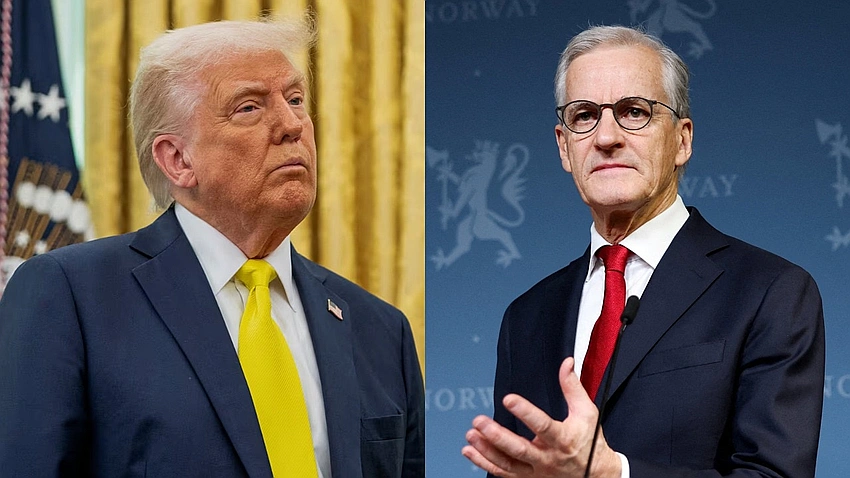
European leaders have responded with measured caution. In private discussions reported by regional outlets, Norway’s prime minister and Finland’s president urged Trump to de-escalate, underscoring the risk of destabilizing the wider region. The exchange reportedly touched on frustrations that go beyond immediate policy, including a nod to Nobel Peace Prize ambitions in a broader conversation about leverage and prestige. The diplomacy vignette highlights how quickly Arctic issues can move from back-channel chatter to headline risk for markets and allies alike.
Back in Washington, officials emphasize that the push is not a novel stance and argue it demonstrates the United States’ readiness to reassert itself on major global questions. Treasury voices cited by leaders suggest the administration sees Greenland as a strategic lever, while continually weighing the domestic and international consequences of any confrontation. The conversation reflects a consistent theme in recent years: how far policymakers are willing to go to protect interests in a region where security, trade, and climate policy intersect.
Markets have taken notice. A prominent business analysis floated the possibility that ongoing tensions could translate into broad equity volatility, with economists estimating that the uncertainty surrounding Greenland-related moves could shave hundreds of billions from major indexes. While figures vary and risk assessments differ, the takeaway is that Greenland has become more than a distant territorial dispute; it’s now a live factor shaping economic sentiment and investor calculations.
Looking ahead, observers say diplomacy should remain the preferred path, with potential tracks including negotiations over resource rights, climate commitments, and regional defense arrangements. As Greenland sits at the crossroads of power, resource access, and strategic signaling, the question remains: will cooler heads prevail, or will a high-stakes gambit redefine the balance of influence in the Arctic?
