Playing Dress-Up with Ideas: The Rise of Pseudointellectualism

Playing Dress-Up with Ideas: The Rise of Pseudointellectualism
Playing Dress-Up with Ideas: The Rise of Pseudointellectualism
A literature student examines why flashy jargon often eclipses genuine analysis, exploring the line between sounding smart and thinking deeply.
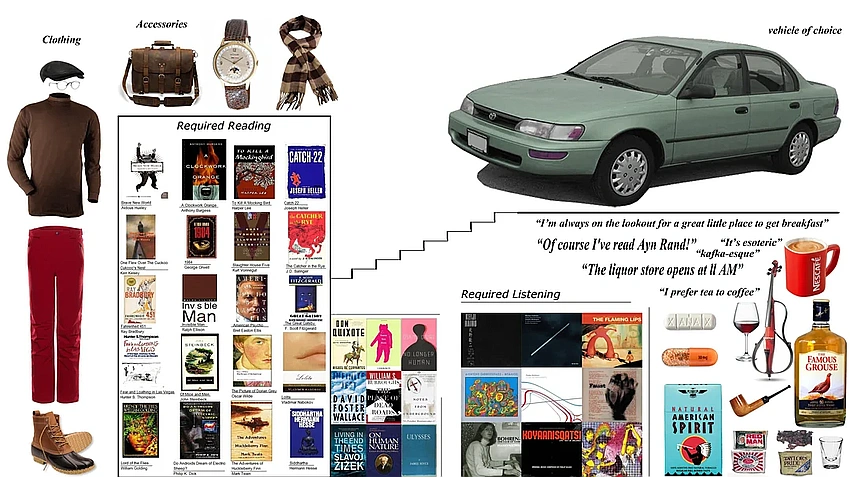
As a postgraduate literature student immersing myself in critical theory, textual nuance and the shifting terrain of academia, I’ve become increasingly aware of a curious phenomenon: the rise of what I’ll call pseudointellectualism. It is not simply a matter of people being ill-informed; rather, it is about the appearance of intellect overtaking its substance.
What do we mean by pseudointellectualism?
Let’s begin with a straightforward definition. The dictionary states that a pseudo-intellectual is “a person who wants to be thought of as having a lot of intelligence and knowledge but who is not really intelligent or knowledgeable.”
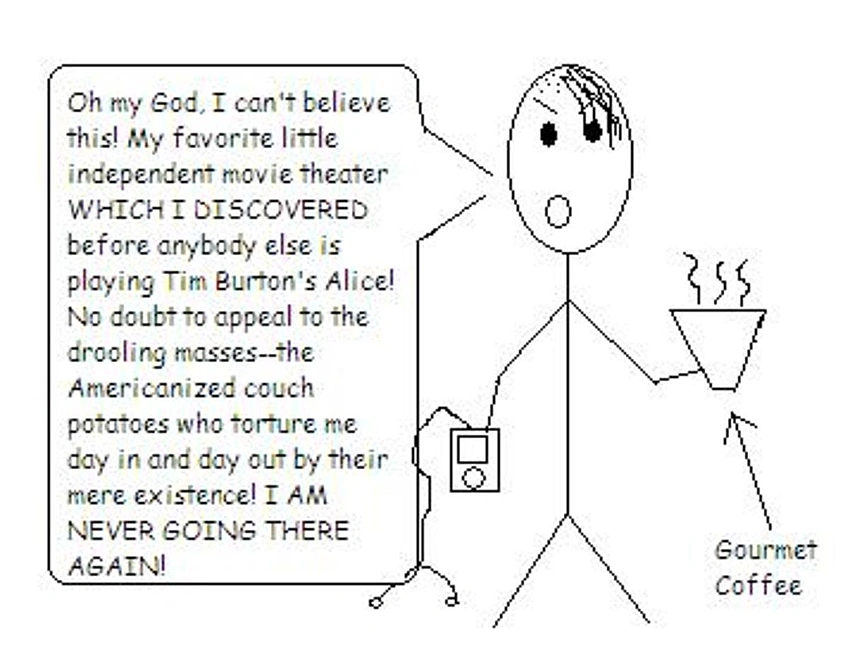
In other words, the emphasis lies on wanting to be perceived as smart rather than engaging deeply in intellectual inquiry. When I reflect on this, I think of someone who deploys a large vocabulary, drops references to continental theory or posts provocative statements, yet struggles to substantiate or interrogate the ideas they display.
At the core of pseudointellectualism lies two inter-linked dynamics:
(1) form over substance: the guise of intelligence becomes more important than actual understanding, and
(2) performance over process: the show of being intellectual replaces the slow, messy labour of thinking.
Why are we seeing more of it now?
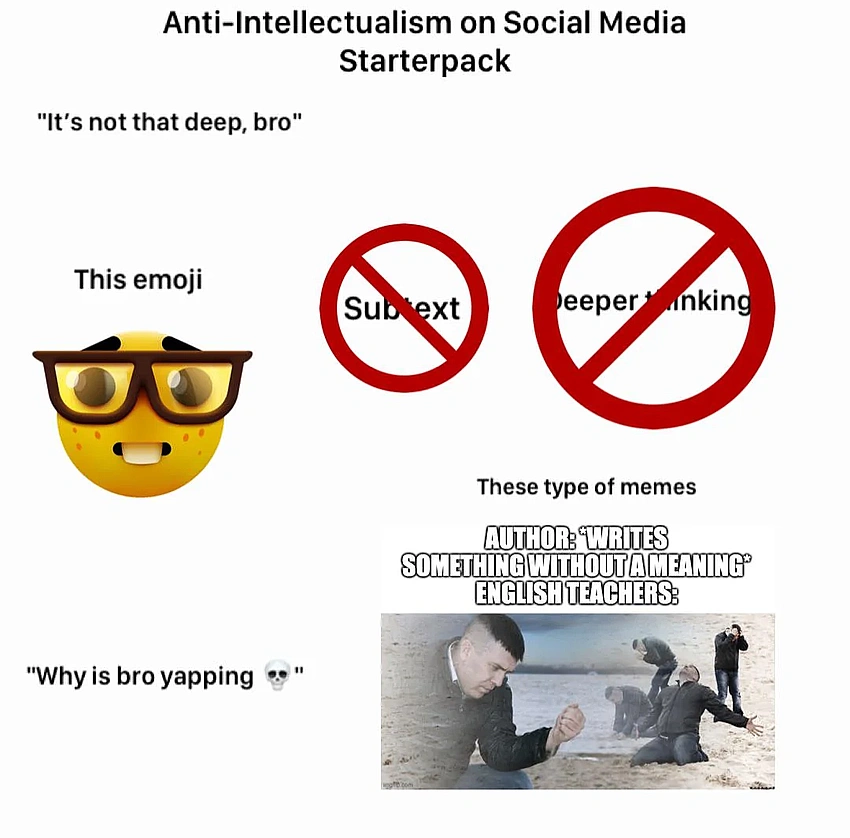
Several cultural and institutional factors help explain the rise of pseudointellectualism. First, the digital era: with social media platforms emphasising quick takes, quotable lines and image over depth, the incentives shift in favour of sounding clever rather than being thoughtful. The medium rewards brevity, provocation and visibility more than measured reflection.
Second, the democratisation of knowledge means that access to vocabulary, theory, and “intellectual” signifiers is no longer the preserve of the traditional academic. That’s a good thing in many respects, but it also means that the markers of intellectual culture become more readily adoptable, even by those who haven’t engaged with its deeper rhythms. We focus on a person’s ability to create a stance and answer a question instead of the pursuit of the right question.
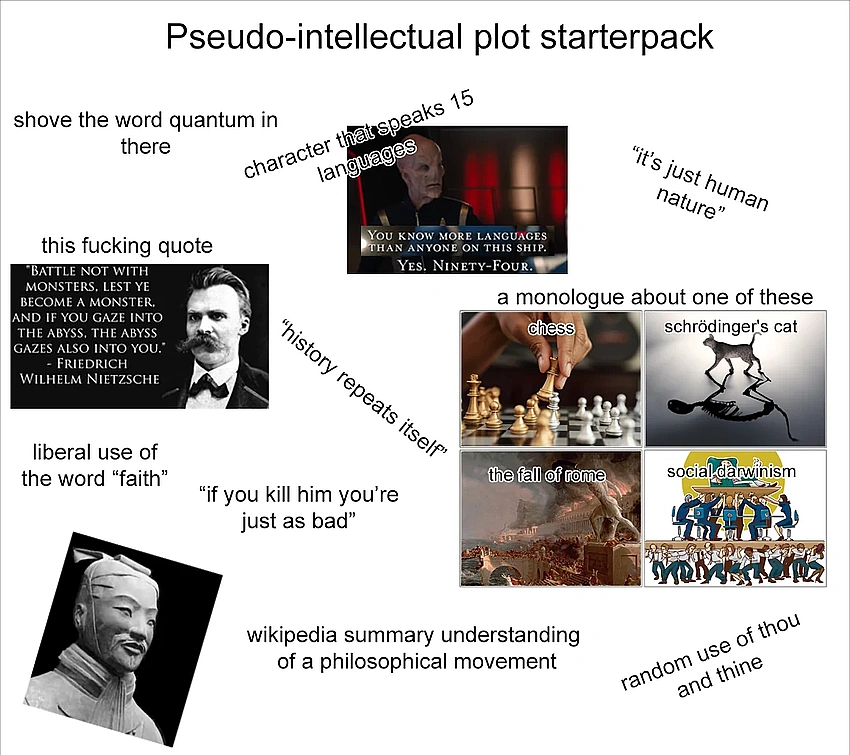
Third, in higher education and in popular discourse alike, the premium on appearing critical can overshadow actually being critical. The language of critique becomes a fashion rather than a method. In that sense, pseudointellectualism isn’t simply about ignorance; it is more about the misuse of intellectual tropes.
How does it manifest in everyday contexts?
From my vantage point as a literature student, I see several tell-tale signs of pseudointellectual behaviour that are worth flagging:
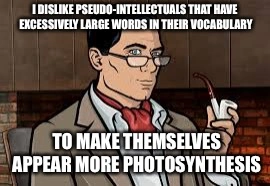
- Overuse of jargon without coherence: Using terms like “hegemonic discourse”, “epistemic violence”, or “post-colonial condition” as ornamentation rather than tools for argument. This is one of the points raised in a lifestyle piece identifying “They seek to impress, not inform”.
- Superficial engagement with texts: Quoting a theorist or dropping a canonical title but not delving into what is actually being argued. In short, name-dropping over exploration.
- Prioritising rhetorical effect over substance: Making bold assertions (“everything is a narrative”, “capitalism is dead”) without attending to complexity, historical context or counter-arguments.
- Elitism and showmanship: There’s a tendency to belittle differing viewpoints or to position oneself as the one who ‘gets it’, rather than engage genuinely with others. One letter to a newspaper argues that pseudo-intellectuals “may exhibit a sense of superiority or intellectual elitism over others, dismissing differing viewpoints as ignorant or uninformed.”
- Avoidance of uncertainty: Genuine intellectual work often involves admitting limits, ambiguity, or not knowing. Pseudointellectualism thrives on certainty and boldness — because those are more performative.
Why does it matter?
- It undermines genuine scholarship. If intellectual-posture becomes more valuable than intellectual-substance, then the culture of careful reading, questioning assumptions, and acknowledging complexity declines. That matters for literature, the humanities and beyond.
- It distorts public discourse. In media, politics or popular culture, pseudointellectualism can lead to simplified frameworks that present as insight but lack nuance. One commentator argues that journalism has been ruined by pseudo-intellectualism precisely because form overtakes fact.
- It deprives students of intellectual humility. As someone still in training, I find that the danger lies in feeling one already knows rather than being prepared to learn. In literature, especially, one must sit with texts, wrestle with ambiguity, and often revise one’s reading. The performance culture discourages that.
- It fosters a culture of noise over thought. If we reward loud positions, confident declarations and stylised critique, we may drown the quieter, slower work of reflection. In an age of attention economy, this is especially troubling.
What can we do about it in a student context?
Given these challenges, here are some modest reflections from my own practice that could help shift away from the pseudo-intellectual impulse:
- Ask “what don’t I know?” Before deploying a theory or a big word, pause to ask: do I really understand this? Am I using it because it clarifies or because it impresses?
- Engage with original texts rather than summaries or second-hand commentary. It is slower but builds depth.
- Cultivate intellectual humility: be prepared to say “I’m not sure”, “I don’t know”, or “I see multiple possibilities”. The performance of knowing everything is the hallmark of the pseudo-intellectual.
- Prioritise dialogue over monologue: genuinely listen to peers, critics, texts. If one is more interested in their own impressive remark than in what someone else is saying, that is a warning sign.
- Celebrate process, not just product: in literature seminars, we often focus on final essays and grades, but the real value lies in reading, rewriting, discussion, and uncertainty. Embrace that messy process.
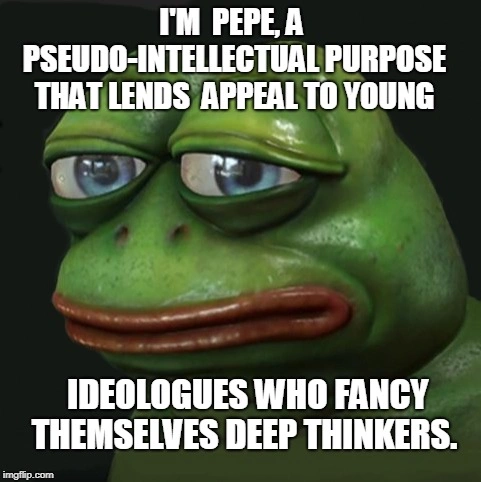
The rise of pseudointellectualism is, at heart, a cultural shift: from thinking to appear to think, from depth to decoration, from questioning to declaration. As someone committed to literature and to intellectual work, I find this troubling because it must remain genuine. We need spaces in which complexity is honoured, curiosity is encouraged, and humility is valued.
If we can resist the lure of simply sounding smart, and instead lean into being thoughtful, then perhaps we can reclaim some of what has been lost in the glossier, louder version of intellect.
#Pseudointellectualism, #AcademicCritique, #LiteraryTheory, #HigherEducation, #CriticalThinking
