Is Your Favorite Queer App Next? The $100 Million Corporate Takeover of Sniffies

Is Your Favorite Queer App Next? The $100 Million Corporate Takeover of Sniffies
When Big Tech buys into queer subcultures, the community usually pays the price. Why Match Group’s latest investment is a red flag for digital cruising.
Digital subcultures are born in the cracks of the mainstream. They offer sanctuary for the weird, the specific, and the marginalized. For years, Sniffies has served a very particular purpose within the queer community by digitizing the raw, spontaneous nature of cruising culture. But the news of a $100 million investment from Match Group, the titan behind Tinder and Hinge, is sending shockwaves through its user base.
The Gentrification of the App Store
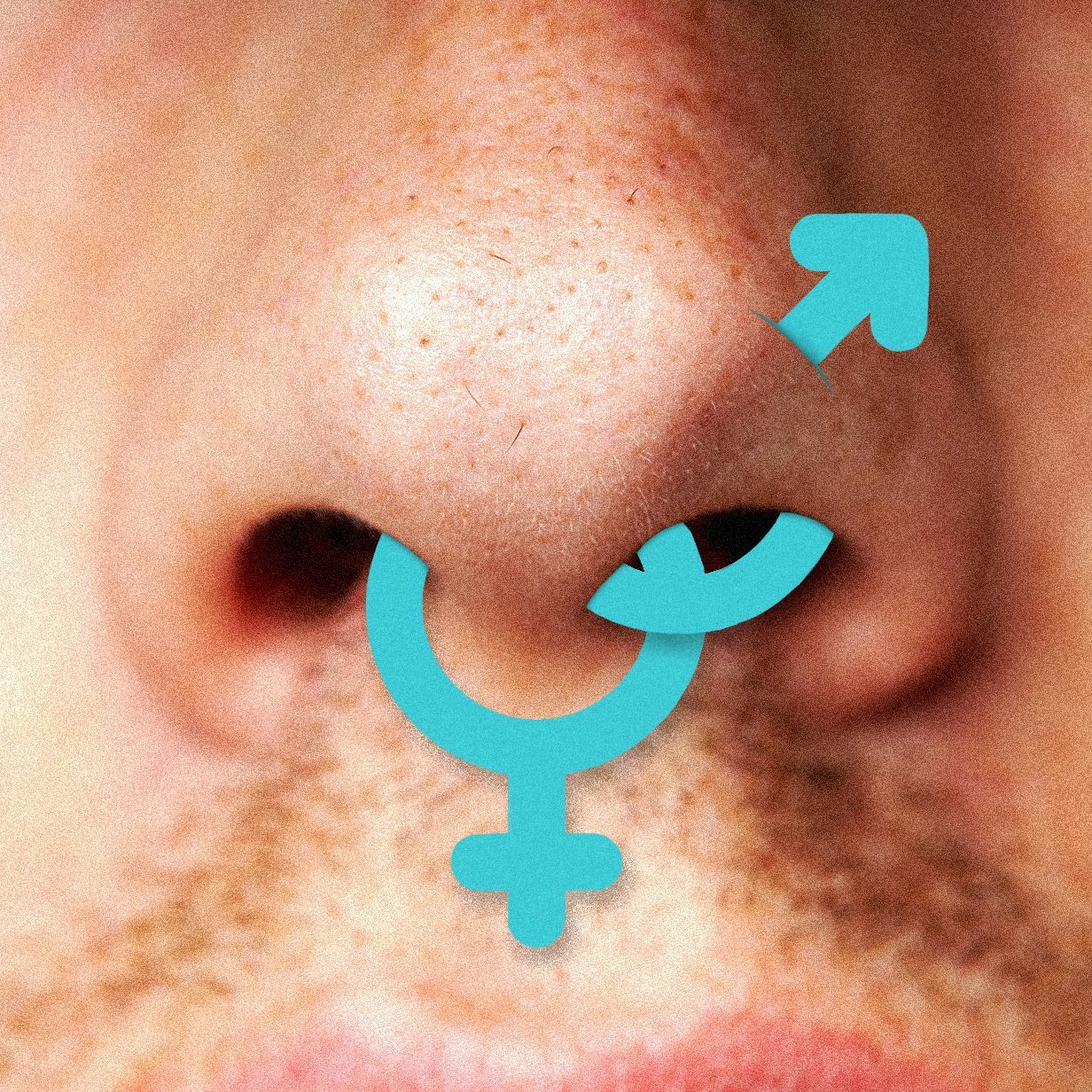
When we talk about the straightification of queer spaces, we are talking about sanitization. Corporate giants do not invest nine figures out of the goodness of their hearts. They do it for growth, data, and mass appeal. To achieve those goals, they often have to sand down the edges of what made an app successful in the first place.
Cruising culture is inherently counter-cultural. It relies on a level of discretion and community-enforced safety that does not always play well with corporate PR departments or conservative app store guidelines. By bringing Sniffies into the same stable as Hinge, Match Group risks turning a gritty, functional tool into another gamified, algorithmic dating experience.
Why Subcultures Need Walls
There is a reason niche apps exist. They provide a space where the rules of the dominant culture do not apply. For the queer community, cruising is a history and a practice that requires a specific kind of digital architecture. When a corporation takes over, the goal shifts from serving the community to serving the shareholders.
We have seen this happen before. Platforms that start as revolutionary tools for connection eventually become flooded with ads, premium tiers, and safety features that actually make things more dangerous for marginalized users by demanding more personal data. The very things that make a subculture feel safe are often the first things a corporate board wants to remove to ensure brand safety.
The Myth of Scale
The assumption that every app needs to grow into a global behemoth is a fallacy. Some spaces are meant to stay small and specific. A $100 million infusion might mean better servers and a smoother interface, but if it costs the community its soul, the price is far too high. We do not need our subcultures to be polished for a mainstream audience. We need them to stay ours.
