Israel vs. Iran Conflict: The Day That Everything Changed:

Israel vs. Iran Conflict: The Day That Everything Changed:
On June 13, 2025, Israel's military strike on Iran marks a historic shift in Middle Eastern geopolitics. Explore the implications of this unprecedented conflict.
Once Thomas Maan commented:
War is a cowardly escape from the problems of peace.
My mornings have never felt the same since June 13. As headlines flashed “Operation Rising Lion,” I found myself pausing, not just because of the scale of the strikes, but because I could suddenly see the people behind the conflict. Children huddled in Tel Aviv shelters, and Iranian mothers sheltering panicked children in basements of Tehran, which broke my heart into pieces.
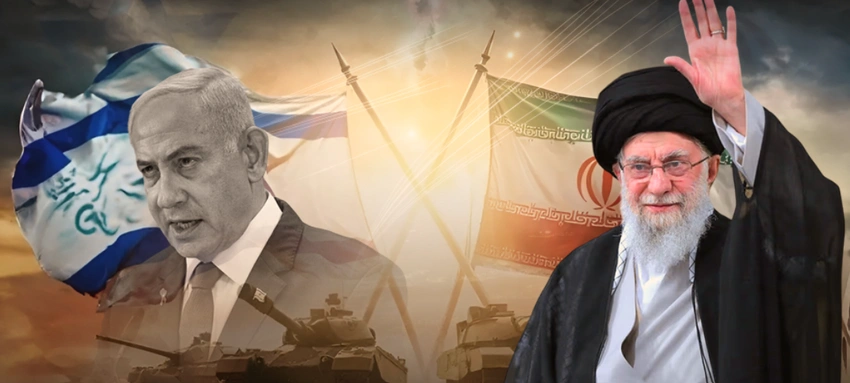 In the early hours of June 13th, Israel launched Operation Rising Lion, striking over a hundred of Iran’s nuclear, military, and even residential sites like Tehran, Natanz, and Isfahan, aiming to dismantle its nuclear infrastructure.
Ever since Iran’s 1979 Islamic Revolution broke its quiet, strategic ties with Israel, the two nations have been locked in a bitter rivalry that has only grown more dangerous over the decades. Iran, driven by ideological opposition, backed groups like Hezbollah and Hamas to wage a long proxy war, while Israel struck back in the shadows through cyberattacks like the infamous Stuxnet virus, targeted assassinations, and airstrikes deep inside Syria and Iraq.
Tensions reached a breaking point in mid-2025 when Iran’s uranium enrichment climbed dangerously close to weapons-grade, prompting the IAEA to declare Tehran in violation of nuclear agreements. That declaration gave Israeli Prime Minister Netanyahu, who had always viewed the Iran deal with deep suspicion, the green light to launch “Operation Rising Lion,” which is an all-out strike supported by the U.S., especially with former President Trump applying his pressure and issuing a two-week deadline for action.
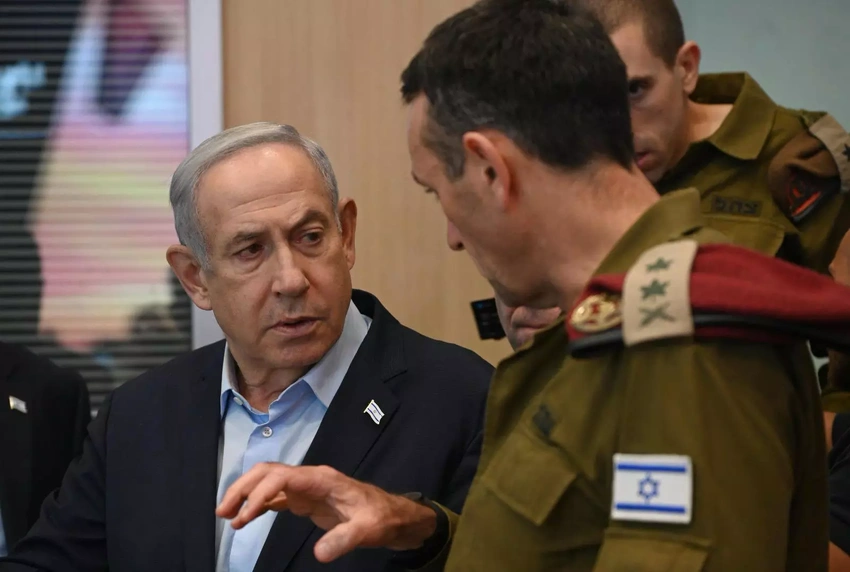
Netanyahu framed this attack as a defensive necessity:
We are at a decisive moment... defending the free world.
Iran answered with “True Promise III,” launching hundreds of missiles and drones into Israel.
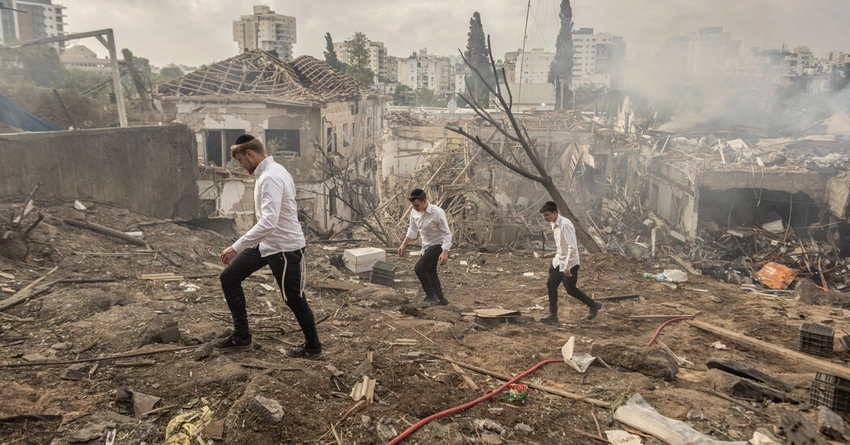
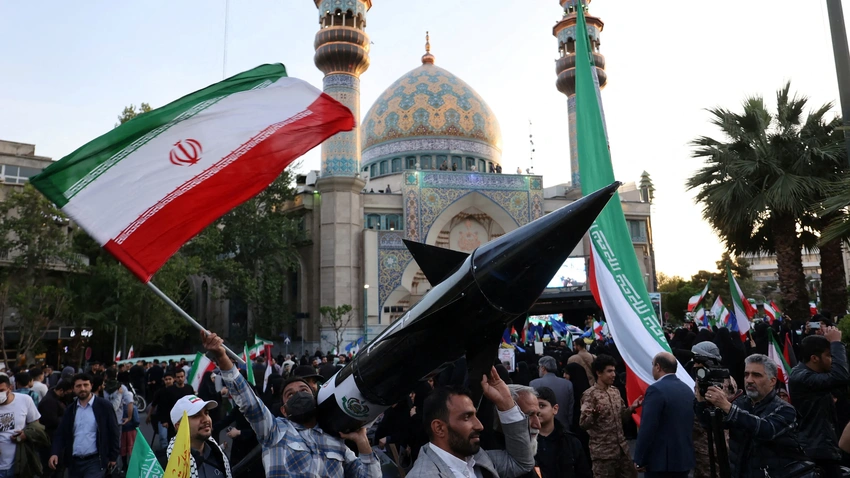
On June 14th, as Israeli missiles crashed into central Iran, thousands fled to Tehran. Tehran imposed widespread internet and mobile blackouts to control panic, but determined citizens used VPNs to upload on TikTok and Instagram to showcase youth dancing defiantly with slogans like:
They strike, we dance. 🔗
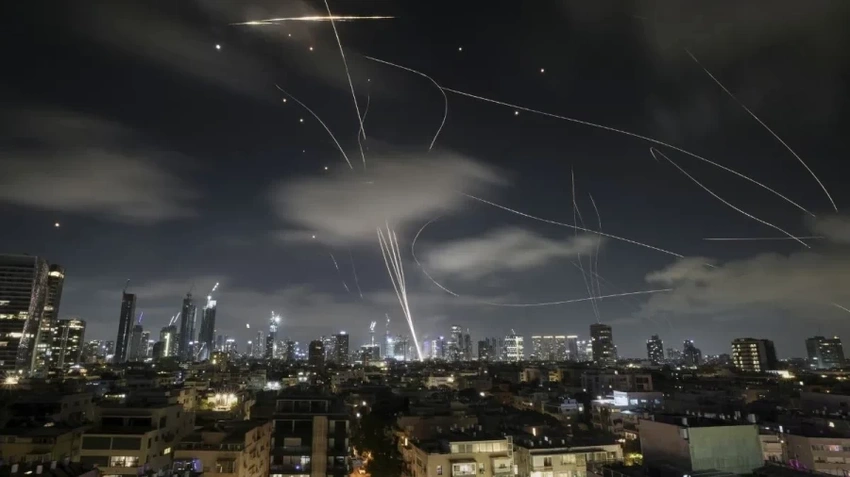
Iran’s second wave of missiles and drones struck sites near Bat Yam and Tel Aviv, claiming civilian casualties on June 15th. Israel confirmed strikes deep inside Tehran, including the Justice Ministry. Iran’s FM Abbas Araghchi refused peace unless bombing stopped. Europe’s envoys, led by Macron, convened in Geneva. Meanwhile, President Trump offered Iran a “two-week window” to negotiate or face broader military intervention. A viral video on Instagram 🔗 shows people casually enjoying disco and live trumpet music, filming the glowing missile trails overhead in Beirut on that very day.
Commenters celebrated it and said:
Nothing can stop the Lebanese people from vibing even in the shadows of war.
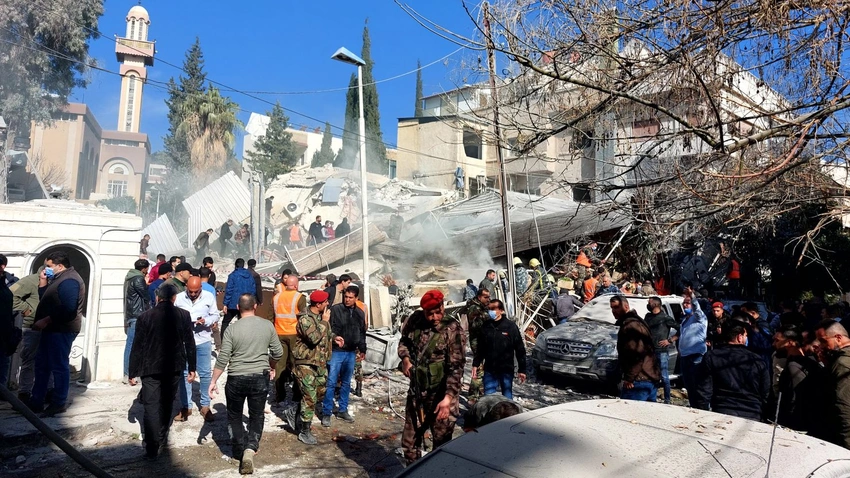
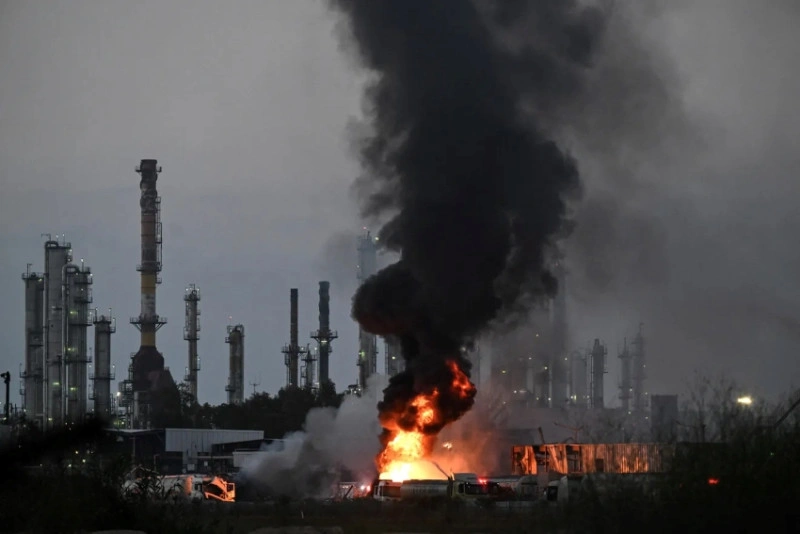
Israel struck Arak’s heavy‑water reactor and Natanz’s advanced centrifuges, a blow against Iran’s enrichment efforts. The IAEA later confirmed damages, but no major radioactive release on 17th June. Around 400 missiles were launched during the day, but Israel’s Iron Dome intercepted most before they reached safe zones.
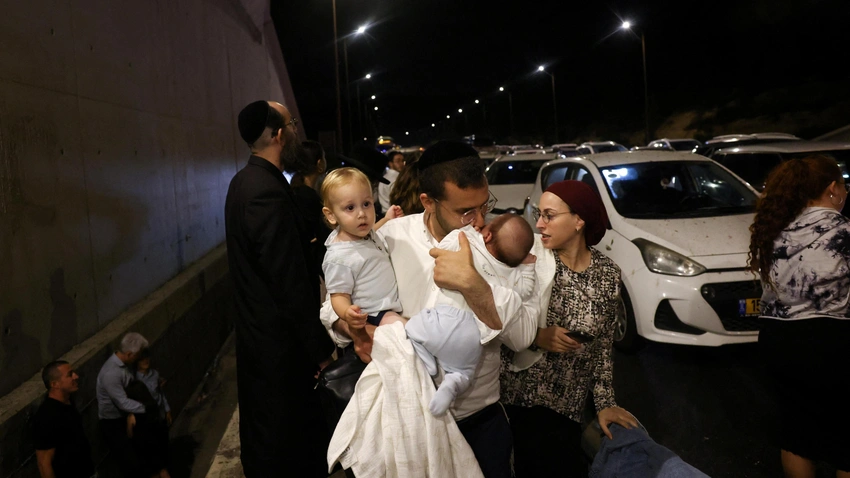
On June 19, an Iranian Sejjil missile hit Soroka Medical Center in Beersheba—medical wards were evacuated, dozens injured, and a chemical leak was reported, prompting international outcry and accusations of a war crime. Iranian TikTok videos showed teenagers reciting resistance, while Israelis filmed cake candles flickering under concrete ceilings
By June 20, at least 657+ Iranians (both civilians and military) and 24 Israelis were confirmed dead, with hundreds wounded. Israel claims it neutralized about two-thirds of Iran’s ballistic missile capability.
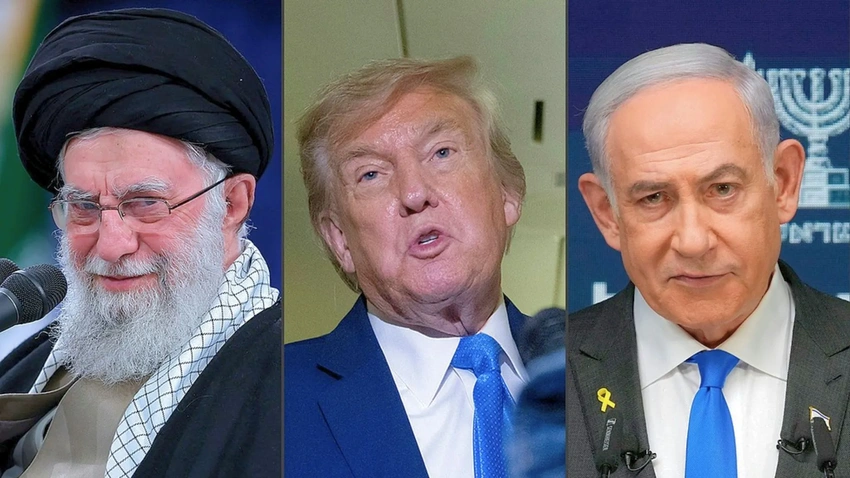
Geneva hosted a crucial round: Macron, UK, EU, alongside Iran’s Araghchi, sought ceasefire frameworks grounded in nuclear diplomacy. Trump prepared a military decision within two weeks targeting Fordo, while Russia and China urged calm and reinforced global unease. Trump commented:
Offered diplomacy, but stood poised to escalate.
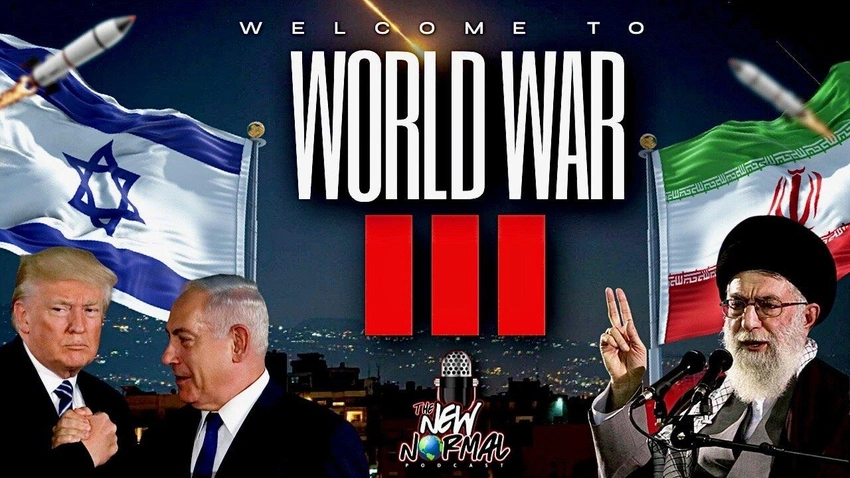
This war didn’t just start overnight. It has been built up over decades, using other groups to fight, secret attacks, racing toward nuclear capabilities, stalled diplomacy, and a moment when political power lines up. From hidden nuclear bunkers in Natanz to TikTok videos of young Iranians dancing during air raids, this conflict is personal.
Now, as world leaders meet in Geneva while missile sirens still echo, we’re at a fragile moment where we could spiral deeper into fighting or finally pause for some real talks. As someone watching this from afar, I’m holding onto these everyday acts of silent prayers, viral dances, and shelter stories because they are the real consequences of war. In the digital fallout, they remain our best bridge back to peace. They remind us of what’s at stake and that hope still exists.
#IsraelVsIran #Geopolitics #MiddleEastConflict #OilMarket #OperationRisingLion
