I was first to interview Ian Huntley—why I reported him to police

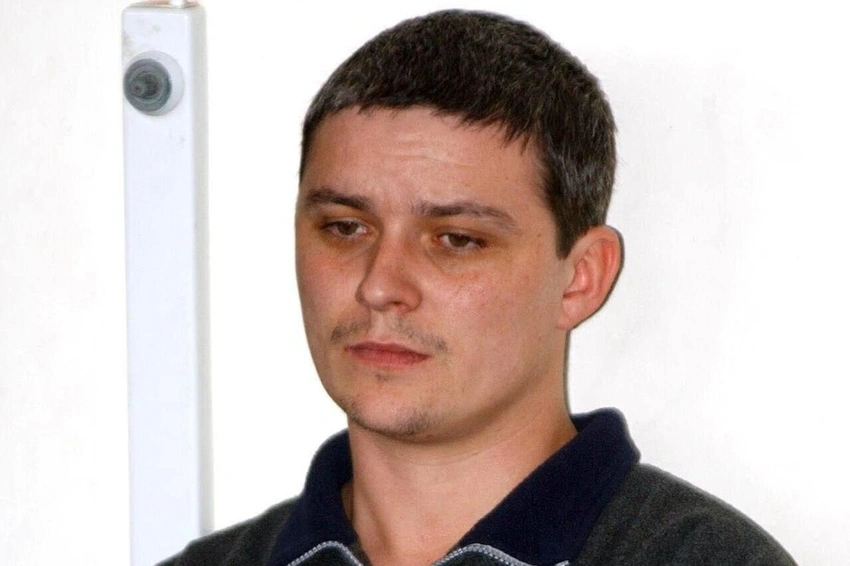
I was first to interview Ian Huntley—why I reported him to police
Journalist recalls the interview that sparked a police alert, amid the Soham case and Huntley's prison death.
Brian Farmer, then a Press Association journalist in East Anglia, was the first reporter to speak with Ian Huntley after the disappearance of Holly Wells and Jessica Chapman in August 2002. He also met Huntley’s partner, Maxine Carr, a teaching assistant at St Andrews Primary in Soham. Farmer recalls being drawn to the case because Huntley seemed to be the last man to have seen the girls, and Carr was tied to the investigation through her proximity to the school.
He found Huntley guarded and evasive during their August 8 interview, with a picture Huntley painted of a quiet man washing his Alsatian, Sadie, on a Sunday night after a muddy walk. What struck Farmer was not what Huntley said, but what he didn’t say. He expected details about the dog, or about the missing children, that never came. The absence of those lines—no dog anecdotes, no natural concern about the girls—raised suspicion.
Farmer ultimately decided to report Huntley to police after that interview, believing the man’s account failed to align with the children’s last sightings and the practical details around the home Huntley described. The Soham tragedy would later unfold through police work, court proceedings, and the broader scrutiny of those involved with the school.
Huntley later faced trial and was convicted for the murders in 2004, while his partner Carr was found guilty of lesser charges. In recent days, Huntley died in hospital after an attack by a fellow inmate at HMP Frankland, marking another twist in a case that has haunted the community for decades. The journalist who spoke to Huntley remains reflective about how a single conversation can alter the trajectory of a case and the role of the press in seeking answers for grieving families.
