AI Impact Summit in Delhi Focuses on Global South Reach, Multilingual AI

AI Impact Summit in Delhi Focuses on Global South Reach, Multilingual AI
Leaders at the AI Impact Summit in Delhi map India's path to affordable, multilingual AI, stressing Global South relevance and strong copyright safeguards.
At the AI Impact Summit 2026 in Delhi, Amitabh Kant outlined that keeping Global South AI models relevant is one of India's biggest challenges. He pointed to ChatGPT as an example and noted India provides 33% more data to AI systems than the United States. He stressed that AI will disrupt every sector of life, but must be accessible, affordable and accountable, and that multilingual AI is crucial to reach all sections of society.
Kant warned about the danger of technology widening inequality, and he highlighted the importance of India building its own AI models and creating a system to replicate the Digital Public Infrastructure that powered India's digital revolution.
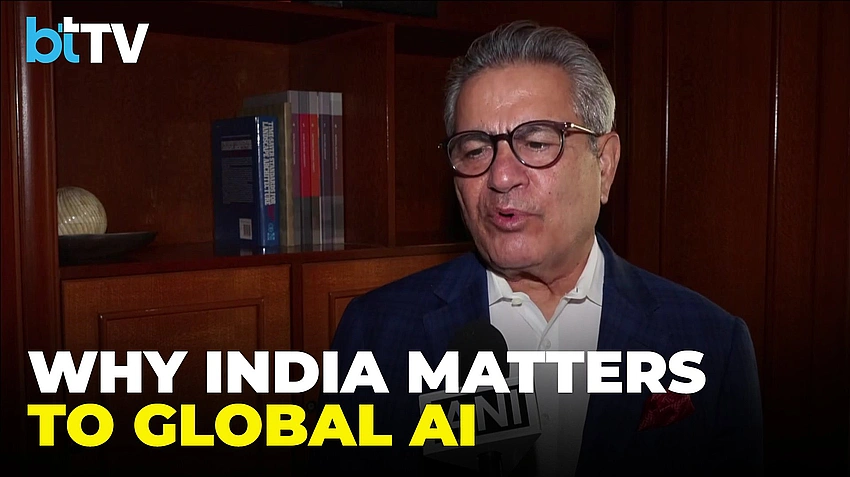
Mukesh Aghi, president and CEO of USISPF, described the summit as a milestone for India-US ties. He said the US industry delegation to Delhi is the largest ever at a global AI summit hosted in a developing country, with over 100 U.S. leaders signaling India's growing importance as a hub for affordable, scalable, and globally impactful AI. The event is being seen as a catalyst for deeper collaboration between the two nations in AI policy, research, and deployment.
The Bharat Mandapam gathering has drawn policymakers, tech leaders, and investors, with expectations that AI ecosystem investments could top $100 billion. Attendees include Sundar Pichai, Sam Altman, Emmanuel Macron, Narendra Modi and Bill Gates among others, signaling global interest as India positions itself as a central hub in the AI value chain. Commitments from major technology firms, including Microsoft, reinforce the summit's potential to shape long-term policy, capital flows, and technology partnerships.
Ashwini Vaishnaw reiterated that India will balance AI adoption with strong copyright protection for creators. He said AI should be a productivity tool, not a substitute for human creativity, and called for industry consensus on AI copyright frameworks to ensure creators retain ownership while leveraging convenience and scale.
