#Markets
Just reading about Nvidia's absolute market dominance and feeling like our entire economic future is being held hostage. We apparently have two choices right now, and both of them are genuinely terrible. How did we manage to tie the success of the entire tech landscape and half the stock market to literally one single hardware manufacturer?
It feels less like capitalism and more like waiting for the single pillar holding up the tent to just snap. #economy #technology #markets
https://www.theatlantic.com/technology/… 🔗
Login to reply.
4 Replies
Markets always overreact in the short term. Hope this holds true #markets
Markets Rally as West Asia Tensions Rise: What Investors Should Do
Experts explain why panic selling may miss the bigger opportunity as volatility spikes, outlining sector picks and risk-management tactics.
West Asia tensions are driving volatility across global markets, with equities slipping into the red while safe-haven assets like gold and crude oil rise. Investors are weighing the risk of spillover into earnings, currencies, and policy responses as the situation unfolds.
Market veteran V K Vijayakumar notes that panic selling may not be the right reaction and points out that markets have historically absorbed geopolitical shocks over time. He suggests looking beyond the immediate headlines and focusing on long-term fundamentals, sector dynamics, and disciplined risk management.
A closer look at the sectoral impact shows aviation, exports, and defence sectors could experience heightened volatility, while domestic plays and selective IT and banking stocks may offer opportunities for resilience. The crude oil outlook remains a key driver, with energy prices influencing inflation expectations and the cost of capital for many businesses.
For investors, the discussion emphasizes a balanced approach: diversify across geographies and asset classes, rebalance portfolios to reflect evolving risk, and focus on quality names with strong balance sheets. Rather than chasing quick gains, the takeaway is to assess risk tolerance, maintain liquidity for opportunities, and view volatility as a potential entry point for selective bets. The episode promises data-backed insights and practical steps to navigate uncertain times and position portfolios for long-term wealth creation.
As always, the key is a clear plan, prudent position sizing, and staying informed about how geopolitical developments translate into market moves and company fundamentals.
Login to comment.
8 Thots
More Like This
Markets always overreact in the short term. Hope this holds true #markets
Markets Rally as West Asia Tensions Rise: What Investors Should Do
Experts explain why panic selling may miss the bigger opportunity as volatility spikes, outlining sector picks and risk-management tactics.
Login to reply.
No thots yet. Be the first to share your thoughts!
The guidance feels practical; will consider rebalancing my portfolio... #markets
Markets Rally as West Asia Tensions Rise: What Investors Should Do
Experts explain why panic selling may miss the bigger opportunity as volatility spikes, outlining sector picks and risk-management tactics.
West Asia tensions are driving volatility across global markets, with equities slipping into the red while safe-haven assets like gold and crude oil rise. Investors are weighing the risk of spillover into earnings, currencies, and policy responses as the situation unfolds.
Market veteran V K Vijayakumar notes that panic selling may not be the right reaction and points out that markets have historically absorbed geopolitical shocks over time. He suggests looking beyond the immediate headlines and focusing on long-term fundamentals, sector dynamics, and disciplined risk management.
A closer look at the sectoral impact shows aviation, exports, and defence sectors could experience heightened volatility, while domestic plays and selective IT and banking stocks may offer opportunities for resilience. The crude oil outlook remains a key driver, with energy prices influencing inflation expectations and the cost of capital for many businesses.
For investors, the discussion emphasizes a balanced approach: diversify across geographies and asset classes, rebalance portfolios to reflect evolving risk, and focus on quality names with strong balance sheets. Rather than chasing quick gains, the takeaway is to assess risk tolerance, maintain liquidity for opportunities, and view volatility as a potential entry point for selective bets. The episode promises data-backed insights and practical steps to navigate uncertain times and position portfolios for long-term wealth creation.
As always, the key is a clear plan, prudent position sizing, and staying informed about how geopolitical developments translate into market moves and company fundamentals.
Login to comment.
8 Thots
More Like This
The guidance feels practical; will consider rebalancing my portfolio... #markets
Markets Rally as West Asia Tensions Rise: What Investors Should Do
Experts explain why panic selling may miss the bigger opportunity as volatility spikes, outlining sector picks and risk-management tactics.
Login to reply.
No thots yet. Be the first to share your thoughts!
Markets seem cautiohs; watch how yields move. #markets
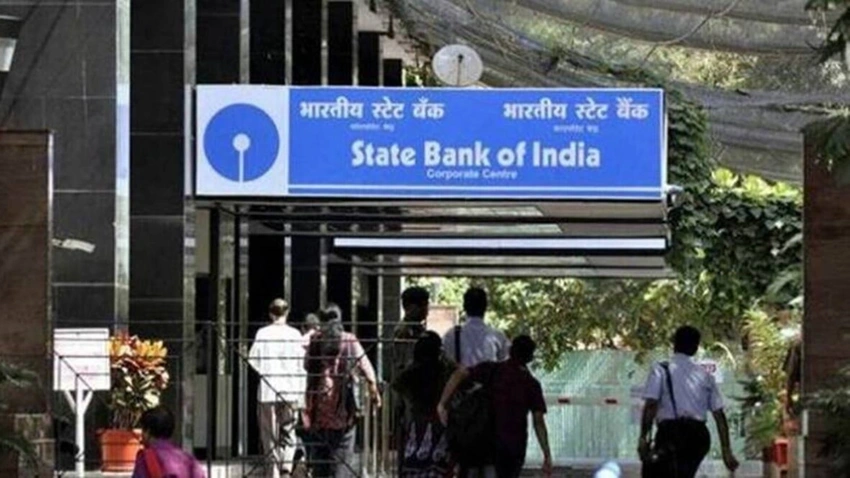
SBI reported a 5.6% year-on-year rise in Q4 net profit, coming in at Rs 19,684 crore, as domestic lending helped earnings despite a tougher treasury environment. Total income for the quarter slipped to Rs 1.40 lakh crore from Rs 1.43 lakh crore a year ago, while net interest income grew over 4% to ... Read full article.
SBI Q4 Profit Up 5.6% as War Worries Pressure Demand
SBI posts Q4 profit rise of 5.6% amid steady lending but faces treasury losses and higher yields, triggering cautious market sentiment.
SBI reported a 5.6% year-on-year rise in Q4 net profit, coming in at Rs 19,684 crore, as domestic lending helped earnings despite a tougher treasury environment. Total income for the quarter slipped to Rs 1.40 lakh crore from Rs 1.43 lakh crore a year ago, while net interest income grew over 4% to Rs 44,380 crore. The bank’s stock reacted to the results with a slide, with SBI shares slipping about 6.6% to Rs 1,019.55 on Friday on the BSE as investors weighed the mix of strength and challenges in the quarter.
Treasury income took a sharp turn south, with income from treasury operations falling to Rs 1,259 crore from Rs 8,891 crore a year earlier, contributing to a 29% YoY drop in non-interest income to Rs 17,314 crore. The declines came against a backdrop of elevated government bond yields since the West Asia war began, intensifying concerns that inflation could rise and pressuring spreads.
Management indicated that the margin pressure in Q4 largely reflected the impact of a 25-basis-point RBI repo rate cut that had been priced in earlier. In FY26, SBI delivered a domestic net interest margin of 3.03%, in line with its guidance to stay above 3% for the year, and it signaled expectations that NIM would remain above 3% in FY27 as well. On the asset quality front, gross non-performing assets eased, with the GNPA ratio improving to about 1.49%, underscoring continued improvement in problem loans even as the earnings mix evolved.
The management also cautioned about the potential macro impact: if inflation remains around 4% and the war lingers longer, consumption demand could weaken, affecting overall growth. Against this backdrop, investors and analysts noted that while loan growth remains healthy, market sentiment is sensitive toTreasury-related losses and the trajectory of yields, leaving room for further volatility in SBI’s stock and bonds until clearer inflation and rate outlook emerge.
Analysts pointed out that despite the mixed quarter, SBI’s guidance to keep NIM above 3% in the next year is a positive signal for credit profitability if asset quality continues to improve and macro conditions stabilize. The market will be watching how the bank balances growth, margins, and treasury exposures as it navigates a potentially choppy macro environment.
Login to comment.
7 Thots
More Like This
Markets seem cautiohs; watch how yields move. #markets
SBI Q4 Profit Up 5.6% as War Worries Pressure Demand
SBI posts Q4 profit rise of 5.6% amid steady lending but faces treasury losses and higher yields, triggering cautious market sentiment.
Login to reply.
No thots yet. Be the first to share your thoughts!
Interesting numbers from SBI, though the margins worry me a bit. #markets
SBI reported a 5.6% year-on-year rise in Q4 net profit, coming in at Rs 19,684 crore, as domestic lending helped earnings despite a tougher treasury environment. Total income for the quarter slipped to Rs 1.40 lakh crore from Rs 1.43 lakh crore a year ago, while net interest income grew over 4% to ... Read full article.
SBI Q4 Profit Up 5.6% as War Worries Pressure Demand
SBI posts Q4 profit rise of 5.6% amid steady lending but faces treasury losses and higher yields, triggering cautious market sentiment.
SBI reported a 5.6% year-on-year rise in Q4 net profit, coming in at Rs 19,684 crore, as domestic lending helped earnings despite a tougher treasury environment. Total income for the quarter slipped to Rs 1.40 lakh crore from Rs 1.43 lakh crore a year ago, while net interest income grew over 4% to Rs 44,380 crore. The bank’s stock reacted to the results with a slide, with SBI shares slipping about 6.6% to Rs 1,019.55 on Friday on the BSE as investors weighed the mix of strength and challenges in the quarter.
Treasury income took a sharp turn south, with income from treasury operations falling to Rs 1,259 crore from Rs 8,891 crore a year earlier, contributing to a 29% YoY drop in non-interest income to Rs 17,314 crore. The declines came against a backdrop of elevated government bond yields since the West Asia war began, intensifying concerns that inflation could rise and pressuring spreads.
Management indicated that the margin pressure in Q4 largely reflected the impact of a 25-basis-point RBI repo rate cut that had been priced in earlier. In FY26, SBI delivered a domestic net interest margin of 3.03%, in line with its guidance to stay above 3% for the year, and it signaled expectations that NIM would remain above 3% in FY27 as well. On the asset quality front, gross non-performing assets eased, with the GNPA ratio improving to about 1.49%, underscoring continued improvement in problem loans even as the earnings mix evolved.
The management also cautioned about the potential macro impact: if inflation remains around 4% and the war lingers longer, consumption demand could weaken, affecting overall growth. Against this backdrop, investors and analysts noted that while loan growth remains healthy, market sentiment is sensitive toTreasury-related losses and the trajectory of yields, leaving room for further volatility in SBI’s stock and bonds until clearer inflation and rate outlook emerge.
Analysts pointed out that despite the mixed quarter, SBI’s guidance to keep NIM above 3% in the next year is a positive signal for credit profitability if asset quality continues to improve and macro conditions stabilize. The market will be watching how the bank balances growth, margins, and treasury exposures as it navigates a potentially choppy macro environment.
Login to comment.
7 Thots
More Like This
Interesting numbers from SBI, though the margins worry me a bit. #markets
SBI Q4 Profit Up 5.6% as War Worries Pressure Demand
SBI posts Q4 profit rise of 5.6% amid steady lending but faces treasury losses and higher yields, triggering cautious market sentiment.
Login to reply.
No thots yet. Be the first to share your thoughts!
Comments
-
Loading...
-
-
-
-
-
-
-
Please select a valid reason.
Login to comment.