Are Electric Vehicles in India Truly Eco-friendly?

Are Electric Vehicles in India Truly Eco-friendly?
Is India’s electric vehicle boom as green as it seems? Explore the latest studies questioning EVs' environmental impact and what it means for sustainable transport.
The market for electric vehicles (EVs) is expanding in India. According to the Ministry of Road Transport and Highways, the government's push for green mobility appears to be accelerating, with over 15 lakh EVs registered by June 2025. However, a critical question is now being raised by an increasing number of environmental experts and researchers: Are electric vehicles in India environmentally friendly?
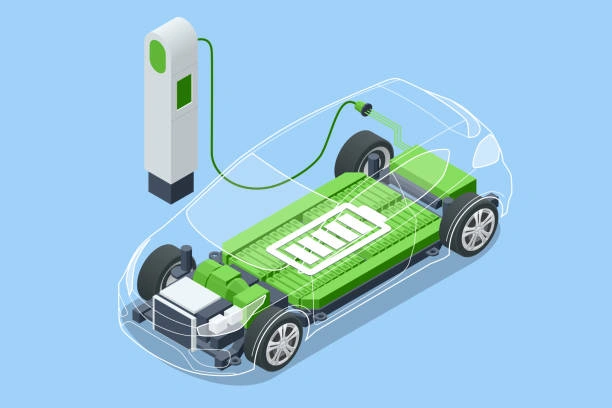
According to several recent studies, EVs are just as environmentally damaging as traditional fuel-powered vehicles. Indeed, numerous experts have unequivocally reaffirmed that, in terms of carbon footprint, EVs are most likely more environmentally harmful than their diesel counterparts. The manufacturing process and charging procedure for electric car batteries are the cause of this, not the fuel itself.
The Promise of Electric Vehicles
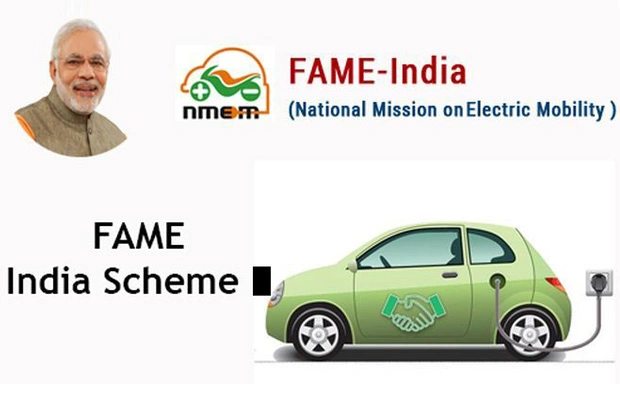
Policies like FAME II (Faster Adoption and Manufacturing of Hybrid and Electric Vehicles), buyer and manufacturer subsidies, and the expansion of the charging infrastructure are some of the ways the government has aided EVs. The goal is to lessen urban air pollution and India's reliance on fossil fuels.
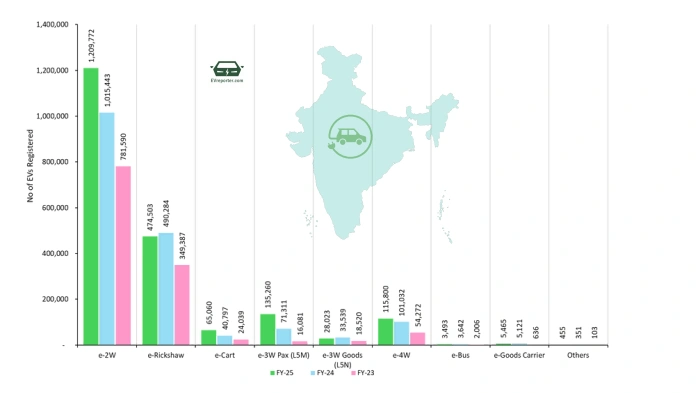
By 2030, EVs could contribute to a one gigatonne reduction in carbon emissions, according to NITI Aayog. Prominent automakers have increased production, including Ather Energy, Ola Electric, and Tata Motors. In FY 2024–2025, EV sales surpassed 1.7 million, a 49% increase over the prior year.
Battery Disposal Is a Growing Problem
Massive amounts of energy are consumed during the mining and processing of lithium, cobalt, manganese, and other essential raw materials needed for battery production. It takes twice as much energy to make an electric car as it does to make a conventional car. Why? The batteries. As of early 2025, India did not have a national policy for recycling EV batteries. By 2030, more than 200,000 tonnes of battery waste will be produced annually, according to a study by The Energy and Resources Institute (TERI) 🔗.
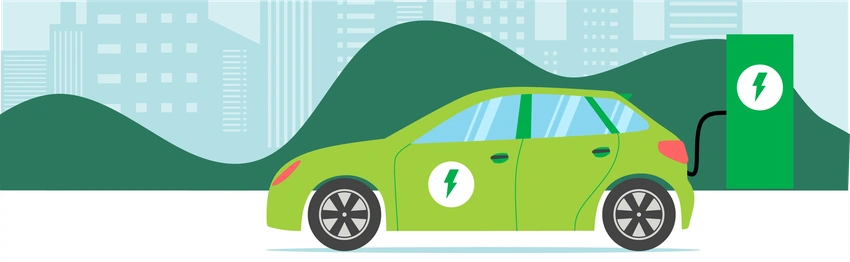
According to a Reuters report from February 2025 🔗, only 5% of lithium-ion batteries are currently recycled in India. This could result in a new kind of environmental crisis if a circular economy is not implemented. My Elder brother said,
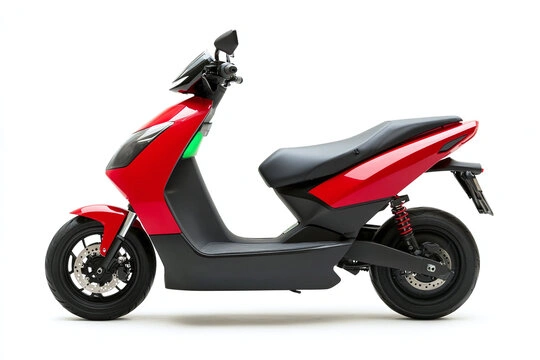
"The batteries do not provide that type of performance after using it for two years. The charging capacity gets low on EV scooters."
Is It a "Solution" to "Pollution"
Even though it is undeniable that the country's major cities have dangerously high levels of air pollution, which puts people at risk for serious respiratory conditions, EVs are not the best way to address this issue because they are not the most environmentally friendly option.
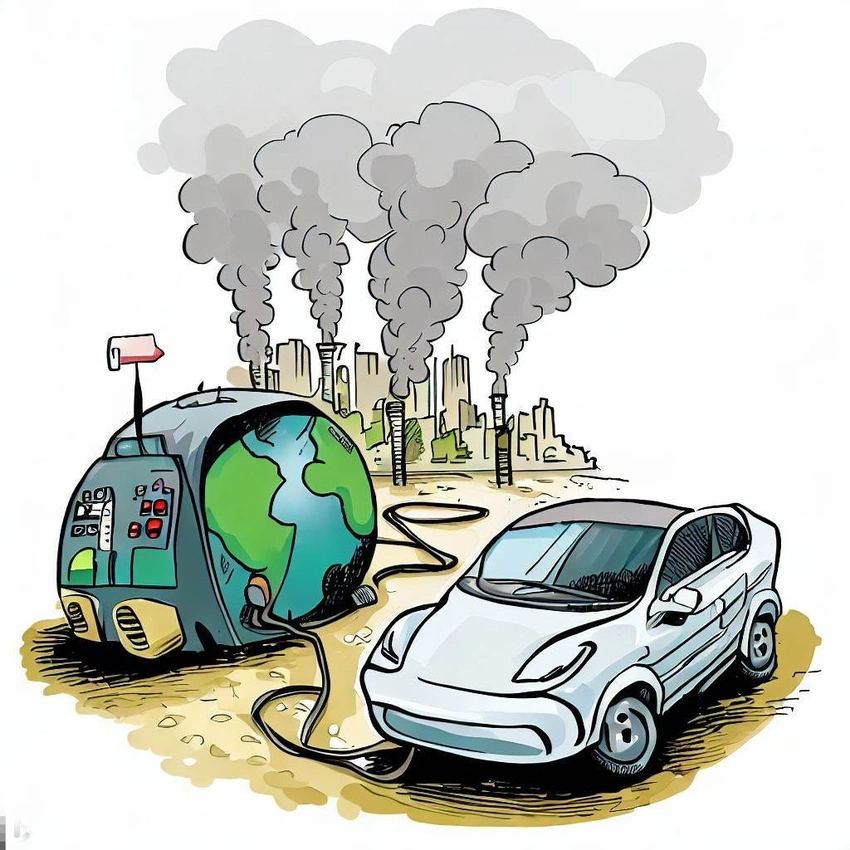
Although we are aware that electric cars don't release harmful greenhouse gases or nitric oxide, they still use electricity produced by burning dirty fossil fuels, so there is no obvious environmental benefit. A battery-powered EV and a conventional fuel-based vehicle have the same overall carbon footprint.
The good news is that there are workable substitutes in this market. For instance, researchers have found that, if implemented holistically, methane-powered gasoline engines or hydrogen motors can reduce CO2 emissions by one-third and eventually eliminate diesel motors.
The Expectation
The fact that fuel cell technology produces electricity by causing a chemical reaction between hydrogen and oxygen proves its environmental sustainability. They provide durability and a performance index comparable to current alternatives, despite their low cost.
In addition to potentially becoming a more cost-effective option than batteries and traditional engines, they are anticipated to significantly reduce unit costs if they are introduced. Therefore, the method of producing electricity is the issue that requires urgent attention. Sustainable energy generation is urgently needed if we are to be energy efficient in the truest sense of the word.
#ElectricVehicles #Environment #Sustainability #India #GreenMobility
