Is the News Failing Us? Bias, Integrity and the Crisis of Mainstream Media

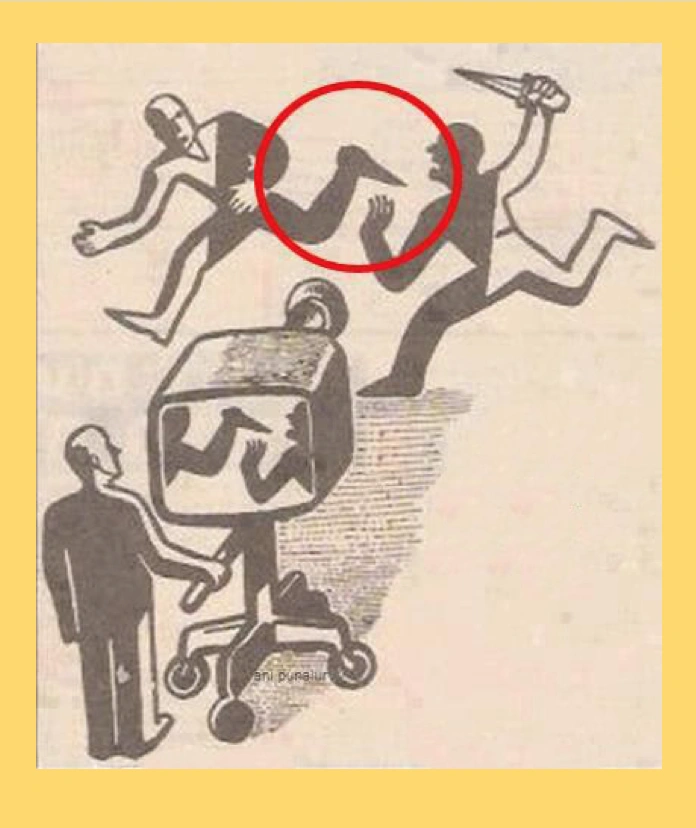
Is the News Failing Us? Bias, Integrity and the Crisis of Mainstream Media
Is the News Failing Us? Bias, Integrity and the Crisis of Mainstream Media
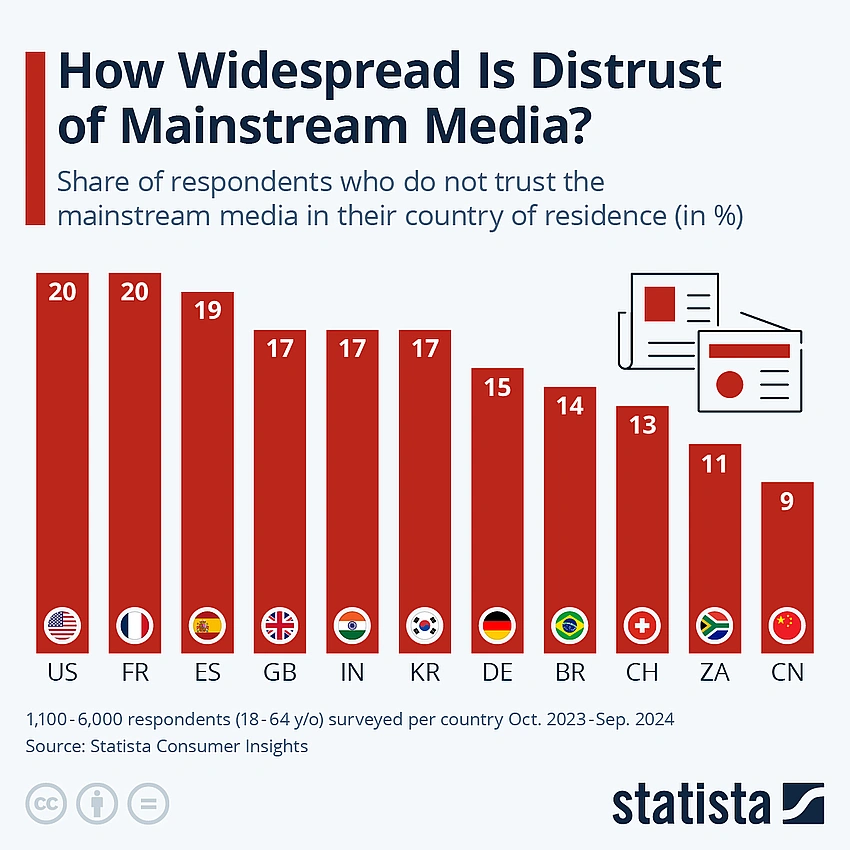
In a fast-moving news world, media trust is frayed. This analysis questions bias, integrity, and whether outlets serve the public interest, using Palestinian causes and Indian cases as a case study.
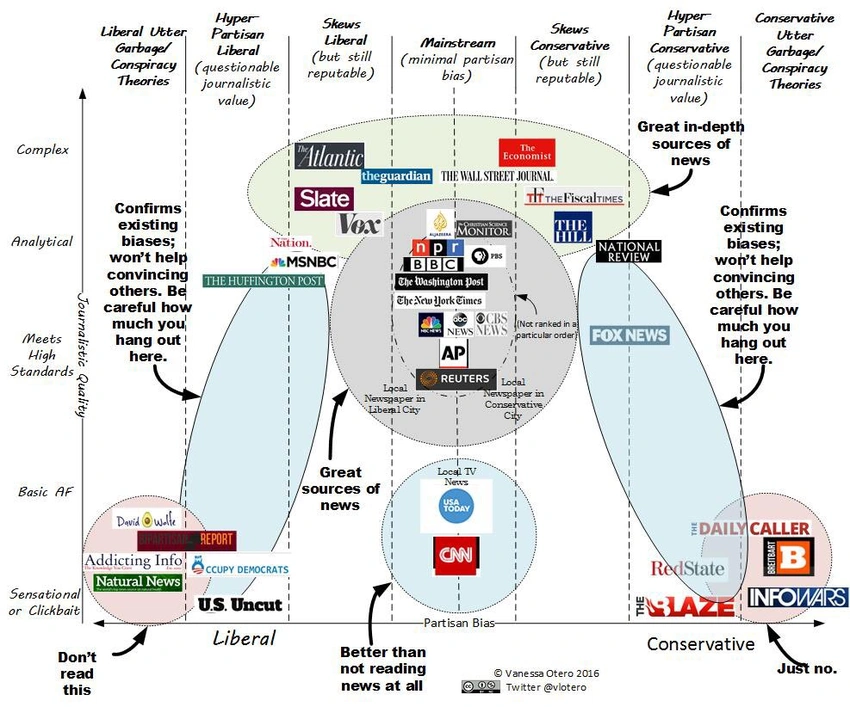
In an age where news cycles refresh by the hour and information floods every screen, the reputation of mainstream media has never felt so precarious. What once stood as a pillar of credibility now seems riddled with cracks, the result not only of inevitable human error but of bias, deliberate or structural, that distorts reality. Around the world, from conflict zones to domestic courts, news is too often filtered, framed, and twisted in ways that betray the trust of its audiences. The issue is no longer just accuracy, but integrity: whether media still serve the public interest, or have become complicit in narratives of power.
Case 1: Coverage of the Israel / Palestine Conflict
One persistent criticism of international (especially Western) media is that much coverage of the Palestinian genocide has been skewed towards Israeli perspectives, sometimes underplaying or misrepresenting Palestinian civilian suffering, or relying heavily on official Israeli government sources without sufficient verification or context.
- For example, the media watchdog Misbar has documented that many outlets depend significantly on Israeli official statements, even when independent verification is weak, or when conflicting narratives exist. This leads to “distorted reports” that favour the Israeli side.
- Moreover, one specific claim that caused uproar was the allegation that Hamas had beheaded 40 Israeli babies. Broadly circulated by some sources, this turned out to be based on unverified statements from official sources; eventually, a CNN journalist who repeated a version of it had to retract it when the evidence was lacking.
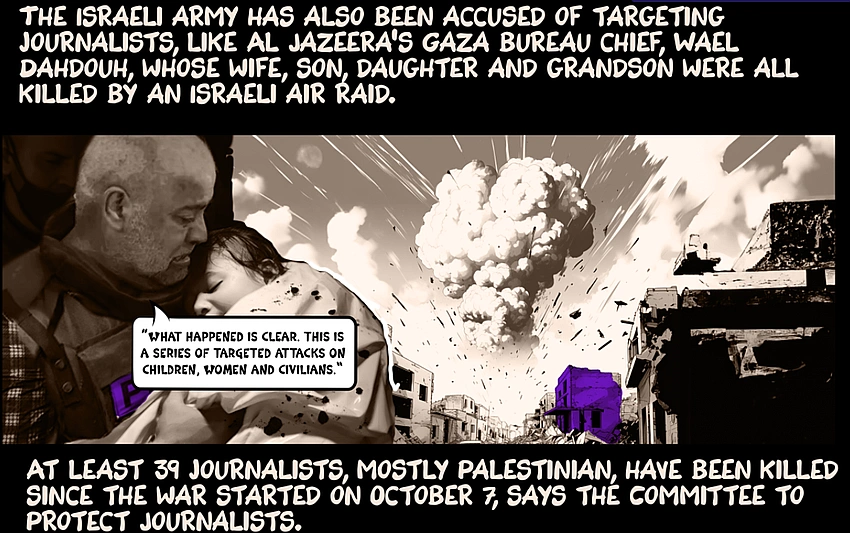
These sorts of episodes feed into the perception that mainstream media are not neutral observers, but actors in the conflict, whether intentionally or through structural pressures (editorial constraints, reliance on certain sources, political pressure, etc.). Such episodes erode trust: once readers or viewers suspect that factual reports may be selectively distorted, doubt spreads to other reports even when accurate.
Case 2: Indian Media and Sexual Violence Cases
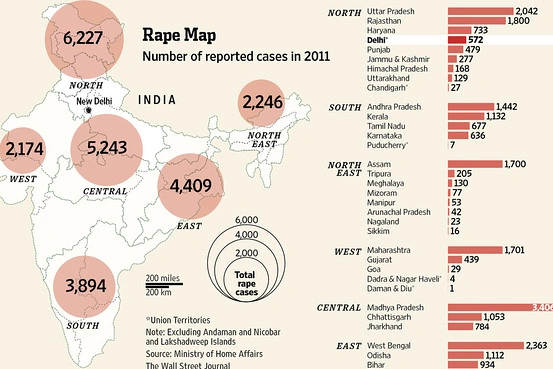
India offers another set of examples where media reporting of rape and sexual violence often distorts reality, emphasises sensational over systemic, and sometimes misleads public perceptions.
- UNESCO‐led and other studies find that Indian media tend to over‐represent “high profile” or extreme cases of violence and under‐report rural sexual violence or crimes committed by lower socio‐economic groups. That gives a misleading picture of what kinds of sexual violence tend to happen in India.
- The same studies show that many reports use euphemisms instead of the term “rape” (only about 19.5% of reports studied used the word “rape”) and often fail to give voice to survivors or contextual information (for example, about societal or structural causes).
- There are also documented cases where headlines distort what is in the body of the reporting – for example, suggesting that many rape or attempted rape cases have been declared “fake” or invalid, even when the truth is more nuanced (e.g. cases sent back for further evidence rather than being outright falsified). An instance: a Times of India headline about post-poll violence in West Bengal spoke of “no proof in 21 rape, rape‐attempt cases …”, which could mislead a reader into believing that all those allegations were judged false, whereas what had more precisely happened was that the CBI returned them for further investigation.
Why Such Bias Damages Media Reputation Globally
From these and other examples, several patterns emerge. When media:
- rely on one side’s narrative, especially when that side is in power,
- emphasise sensational elements (violence, outrage, extremes) over deeper, systemic insight,
- omit voices of the marginalised or survivors, or rural populations,
- use misleading headlines or framing that simplifies a complex reality,
They weaken their claim to objectivity. Even for readers who are sympathetic to that media outlet’s “side”, there is often a nagging concern: if this part seems distorted, what else might be too?
What Can Be Done
To recover from this kind of reputational loss, the media need to take global lessons:
- Source diversity and verification: Use multiple viewpoints, especially from people directly affected. When official sources are used, cross-verify.
- Contextual reporting: Not only report what happened, but explain structures (legal, social, economic) that shape why it happened, who it affects, and what systemic change would involve.
- Responsible headline and framing practices: Avoid clickbait or misleading headlines that distort what the article really says.
- Sensitivity in reporting sexual violence: Explicit guidelines for how to refer to sexual violence, how to protect survivors, and how to provide accurate statistics without sensationalising.
- Transparency about uncertainty: When claims are unverified, say so. When counter-narratives exist, acknowledge them. Mistakes should be corrected clearly.
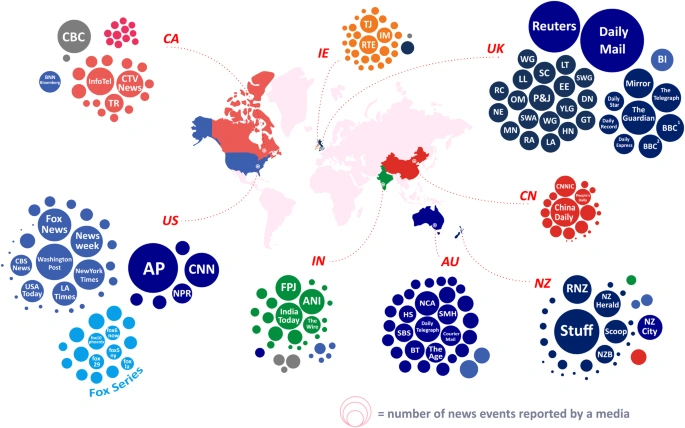
As someone deeply invested in literature and in how language shapes reality, I believe mainstream media has to re-acknowledge its role as storyteller of public life. Not just to amplify sensational stories or power narratives, but to attend to nuance, voice, justice. If media houses hope to reclaim credibility, they must act less as an arena of spectacle, more as spaces of rigorous truth-seeking. Because once reputation erodes, the damage is not only to the outlets but to public understanding, to social cohesion, and to the possibility of holding power accountable.
#MediaBias #NewsIntegrity #JournalismWatch, #PublicInterest #MediaEthics #News #Journalism
