Harry Styles' Kiss All the Time, Disco Occasionally: Romance, Rhythm, Retro Pop

Harry Styles' Kiss All the Time, Disco Occasionally: Romance, Rhythm, Retro Pop
Harry Styles' Kiss All the Time, Disco Occasionally: Romance, Rhythm, Retro Pop
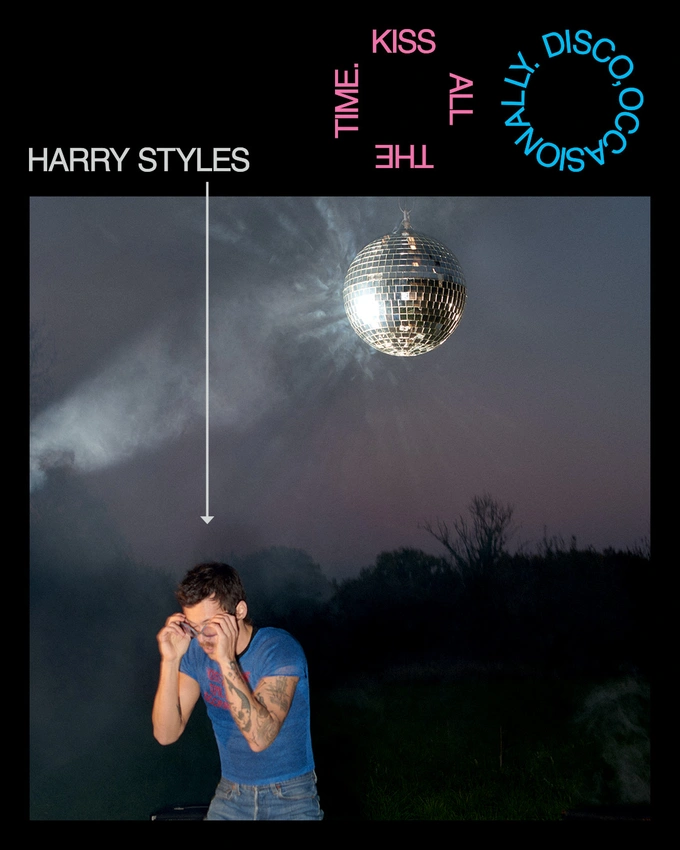
Harry Styles unveils new album, Kiss All the Time. Disco, Occasionally., pairing glam with dancefloor joy and a diary-like mood as it lands on March 6, 2026.
Album titles often promise a mood before a single note is heard. Kiss All the Time. Disco, Occasionally. arrives with exactly that sort of promise: playful punctuation, a faint sense of glamour, and the suggestion that love and pleasure might coexist in some oddly balanced rhythm. The record, released on 6 March 2026, marks the fourth studio album from Harry Styles and follows the massive success of Harry’s House.
The title itself carries a slightly whimsical philosophy. The phrase reads almost like an instruction—live warmly, embrace affection, and occasionally surrender to the dancefloor. Styles has framed the phrase as a sort of personal motto, emphasising the idea of moving through life with love while reserving moments for celebration and joy.
Even before listening, the punctuation sets the tone. The full stop between “time” and “disco” interrupts the flow like a pause in conversation, giving the title the cadence of speech rather than grammar. It feels intimate, almost diary-like, which mirrors the atmosphere the album attempts to cultivate.
The Berlin Turn
Much of the record’s mythology centres on its creation in Berlin. For decades, artists have migrated to the city in pursuit of reinvention, drawn by the legacy of experimentation associated with earlier musical eras. Styles’ decision to record there places him in that lineage, invoking the idea that a change of geography might also produce a shift in sound.
The album gestures toward a variety of influences: disco revivalism, electronic textures, and the shadow of art-pop experimentation. References circulating around the project have included acts associated with indie-dance and atmospheric guitar music, signalling a deliberate attempt to stretch beyond straightforward pop songwriting.
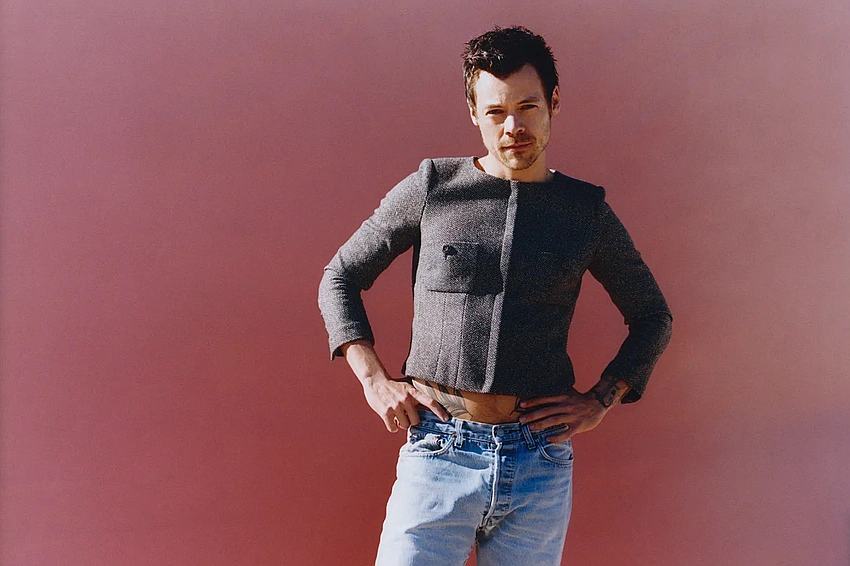
Yet the record does not fully abandon accessibility. Instead, it sits in the uneasy space between homage and reinvention. The sonic palette of synth pulses, shimmering guitars, and dancefloor rhythms, suggests a fascination with the past rather than a complete break from it.
The Sound of Retro Desire
Listening to Kiss All the Time, Disco Occasionally feels like walking through a neon-lit club where every song echoes with another decade’s memory. The production leans heavily into retro textures: disco grooves, synth-pop shimmer, and the occasional melancholic guitar line that nods toward art-rock traditions.
The album’s first single, “Aperture,” provides a clear introduction to this aesthetic. Built around layered electronic rhythms and a gradual melodic swell, the track feels less like a chart-seeking anthem and more like an atmospheric statement of intent.
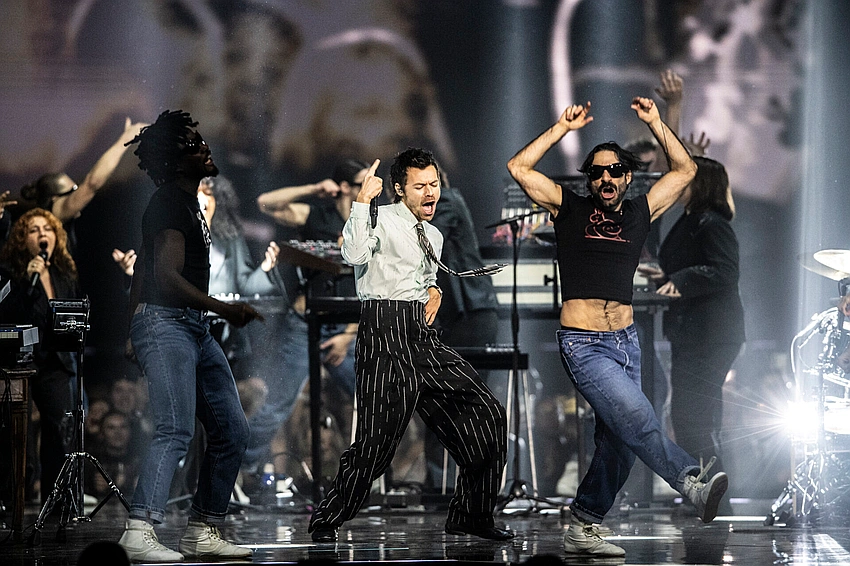
Elsewhere, the album oscillates between emotional confession and playful theatricality. Tracks such as “Crying on the Dancefloor” inhabit that familiar pop paradox: heartbreak disguised as movement. Meanwhile titles like “The Moustache Is Here to Stay” reveal a lighter, almost tongue-in-cheek side of the record’s personality.
This contrast between vulnerability and humour runs throughout the album. It is not always seamless, but it gives the project a kind of messy charm.
Nostalgia as Aesthetic Strategy
What is most striking about the album is its relationship to nostalgia. Pop music has long recycled past styles, but Kiss All the Time, Disco Occasionally embraces retro aesthetics so openly that the record sometimes resembles a museum of pop references.
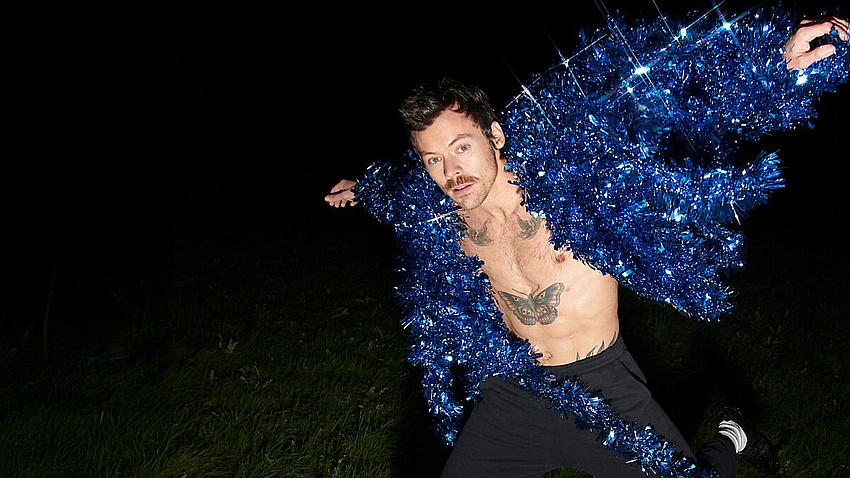
The result can feel affectionate rather than revolutionary. The music gestures toward earlier sonic eras of disco revival, indie-dance minimalism, and the melancholic romanticism of late twentieth-century alternative pop. That tension between innovation and imitation becomes the album’s central drama. When the songs lean too heavily on nostalgia, they risk sounding like elegant pastiche. When the melodies break free from those influences, the record briefly reveals flashes of the emotional immediacy that made Styles such a compelling pop figure in the first place.
Pop Stardom in the Streaming Era
The album’s release did not occur in isolation. It arrived as part of a broader cultural rollout that included a global performance event, Harry Styles: One Night in Manchester, streaming on Netflix shortly after the record’s launch.
This strategy reflects the contemporary mechanics of pop stardom: albums now function not only as collections of songs but as cultural events unfolding across platforms. Live performances, streaming specials, and viral singles all operate together to create the sense of a “new era” in an artist’s career.
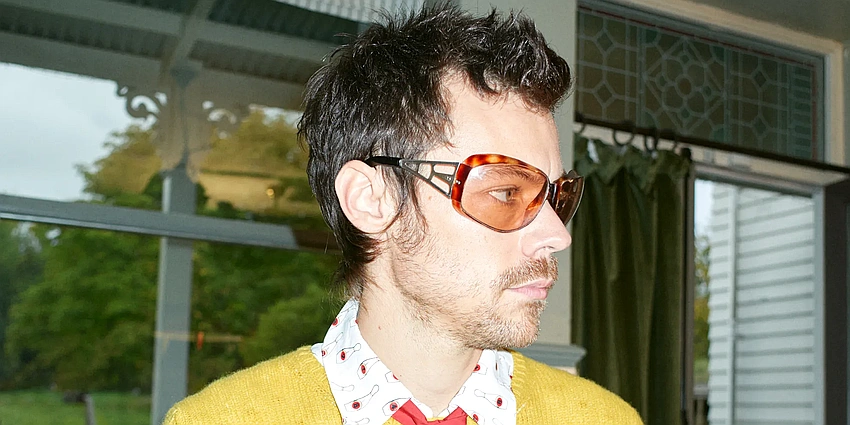
Within that framework, Kiss All the Time, Disco Occasionally becomes both a musical project and a narrative gesture an attempt to mark the beginning of a slightly different chapter in Styles’ public persona.
A Glittering, Uneven Night Out
In the end, the album feels nothing like a dramatic reinvention and more like a stylish detour. It carries the glow of retro disco lighting and softness of late-night reflection, but rarely pushes far enough to transform those influences into something unmistakably new.
Still, there is something endearing about the ambition behind it. Pop music rarely aims for philosophical coherence, yet this record gestures toward a modest life lesson: love constantly, celebrate occasionally. It may not always achieve the artistic breakthrough it hints at, but it captures a mood: romance, half dancefloor melancholy, that lingers long after the final synth fades.
#HarryStyles #KissAllTheTimeDiscoOccasionally #NewMusic #DiscoPop #AlbumRelease #MusicReview #AlbumReview #NewMusicFriday
