Phoebe Bridgers’ Lost Boys: Growing Up Without Ever Really Leaving Neverland


Phoebe Bridgers’ Lost Boys: Growing Up Without Ever Really Leaving Neverland
Phoebe Bridgers’ Lost Boys: Growing Up Without Ever Really Leaving Neverland
Phoebe Bridgers' forthcoming album Lost Weekend previews a quieter, intimate turn with the track Lost Boys, leaning into memory, adulthood, and symbolic storytelling rather than spectacle.
Released as the first glimpse of her forthcoming album Lost Weekend, Lost Boys feels less like someone quietly returning to a room they never entirely left. After years in which Bridgers' presence has been defined as much by absence as visibility, Lost Boys refuses spectacle. Instead, it embraces the kind of intimate storytelling that has always made her music so affecting, while subtly expanding the emotional and sonic landscape that listeners have come to associate with her work.
The mythology of growing older
The title immediately evokes Peter Pan, but Lost Boys is not interested in childhood nostalgia. Rather, it explores what happens when adulthood arrives without the certainty we were promised. Bridgers draws on images of youth, abandonment and memory, allowing familiar myths to become emotional metaphors rather than narrative devices.
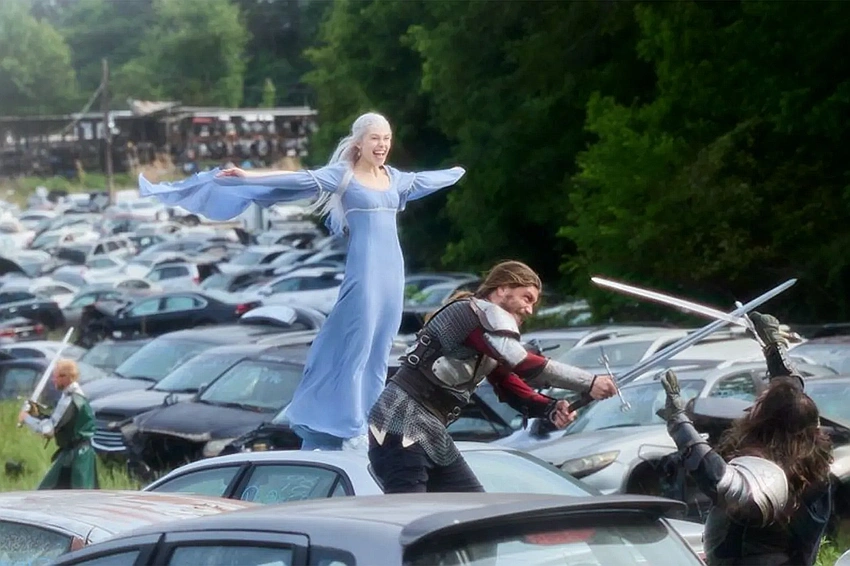
This has long been one of her greatest strengths. Instead of presenting emotions directly, she lets symbols carry their weight. The "lost boys" become people suspended between innocence and responsibility, unable to return to childhood yet unable to feel entirely at home in adulthood either. The song captures that peculiar emotional geography where memory is comforting and painful in equal measure.
Rather than romanticising youth, Bridgers seems interested in how it lingers. Growing up is rarely a clean transition. It is an accumulation of unfinished conversations, old fears and identities we continue to carry long after we imagine we have outgrown them.
A larger sonic world
Musically, Lost Boys feels recognisably Phoebe Bridgers while gently widening her palette. Acoustic textures remain at its centre, but they are surrounded by richer arrangements that create a sense of movement rather than stillness. The production never overwhelms the songwriting. Instead, it gives the song room to breathe.
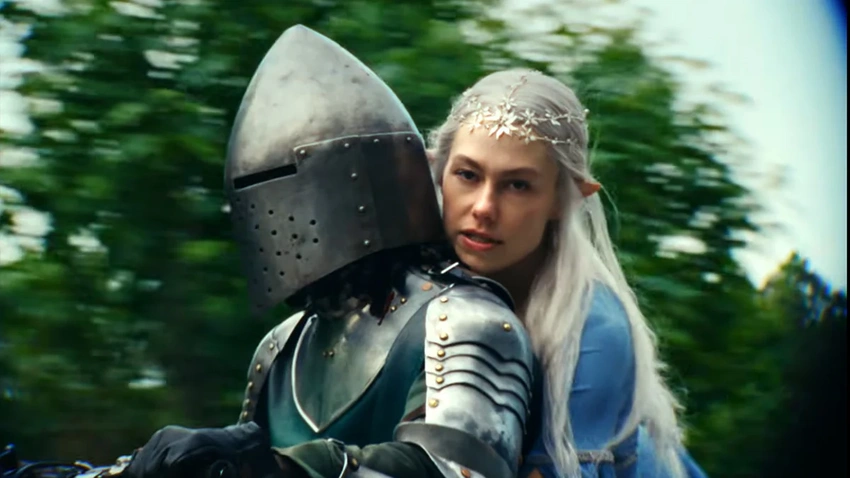
There is a remarkable patience to the arrangement. Instruments enter gradually, allowing emotional intensity to build almost imperceptibly. By the time the chorus arrives, it feels expansive without becoming theatrical. That balance between restraint and release has become one of Bridgers' defining artistic qualities, and Lost Boys demonstrates that she continues to refine it rather than repeat herself.
The collaborative production, alongside contributions from long-time musical partners, results in a sound that feels communal despite the deeply personal subject matter. The music suggests that loneliness itself can be shared, that private grief often resonates because it reflects something collective.
Memory as a haunted landscape
One reason Bridgers' songwriting continues to resonate is that she rarely writes about emotions as isolated experiences. Instead, feelings exist within landscapes populated by places, stories, cultural references and fragments of memory.
Lost Boys continues this tradition. The song moves through images that feel simultaneously concrete and dreamlike, allowing listeners to inhabit emotional states rather than simply observe them. Memory becomes less an archive than a living environment, constantly reshaped by the present.
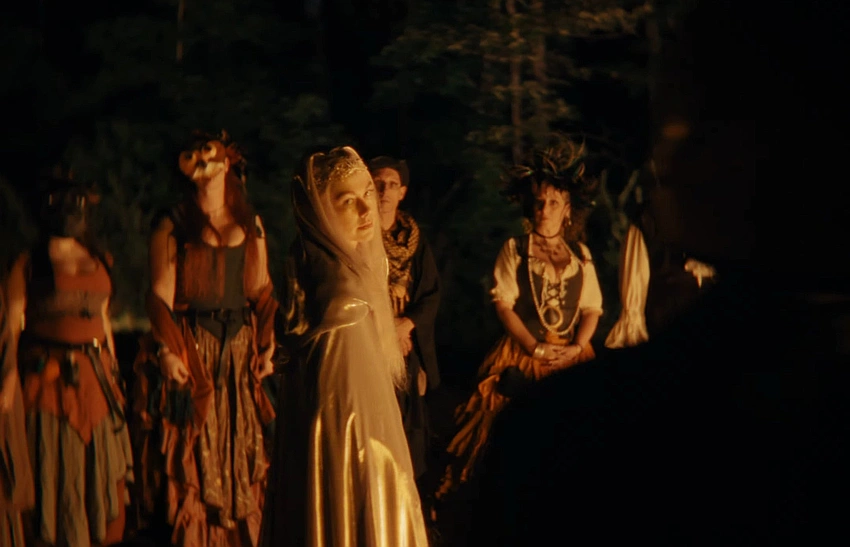
This approach recalls broader literary traditions in which the past refuses closure. Memory is not presented as factual recollection but as an active force that reorganises identity. Every return to the past produces a slightly different version of ourselves.
That is perhaps why the song never settles into simple melancholy. Sadness exists alongside tenderness, humour and even warmth. Bridgers understands that nostalgia is rarely about wanting to go back. More often, it is about trying to understand how we became who we are.
Refusing the performance of vulnerability
One of the most striking aspects of Lost Boys is its refusal to dramatise emotion. Contemporary pop often rewards confession, encouraging artists to transform personal experience into easily consumable narratives. Bridgers has always complicated that expectation.
The song certainly feels intimate, but it resists becoming autobiographical spectacle. Instead of inviting listeners to decode every lyric as personal revelation, it creates enough ambiguity for multiple interpretations. That openness is precisely what allows the music to feel universal.
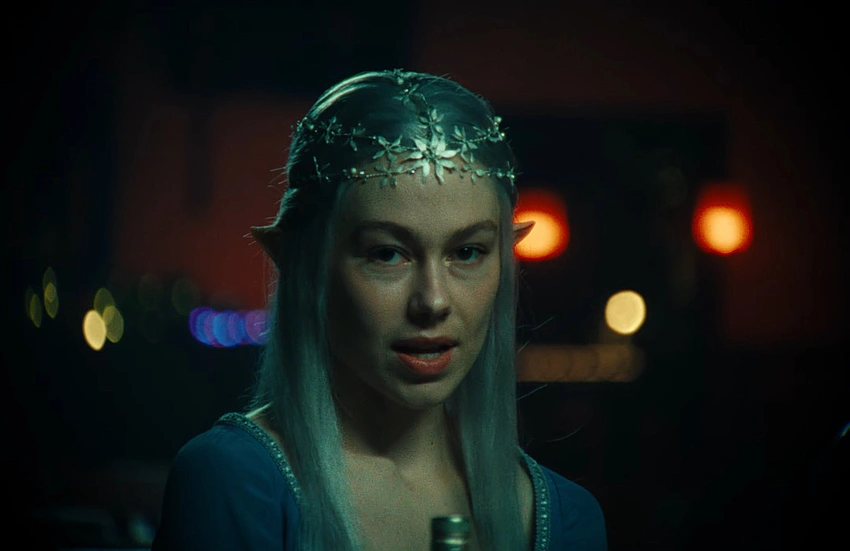
There is also something quietly political about this restraint. In an era when musicians are expected to remain permanently visible through interviews, social media and constant self-explanation, Lost Boys demonstrates the value of withholding. The song asks to be experienced rather than decoded.
Listening to Lost Boys feels like encountering an artist who has become increasingly confident in silence. Rather than chasing reinvention, Bridgers deepens the qualities that have always distinguished her work: careful writing, emotional precision and an extraordinary ability to transform ordinary images into existential questions.
For a song named after those who never truly grow up, Lost Boys is remarkably mature. It understands that adulthood is not the disappearance of uncertainty but learning how to live alongside it. In doing so, Phoebe Bridgers reminds us that some of the most compelling music does not provide answers. It simply gives shape to feelings we already carried but had never quite found the language to express.
#PhoebeBridgers #LostWeekend #LostBoys #NewMusic #IndieMusic

Login to comment.
No thots yet. Be the first to share your thoughts!