When Memes Become Mini-Essays: Thinking Critically in Pictures

When Memes Become Mini-Essays: Thinking Critically in Pictures
When Memes Become Mini-Essays: Thinking Critically in Pictures
Explore how image-and-caption memes function as bite-sized essays, using irony and composition to provoke thought. Do memes argue, or simply entertain our fast-moving attention spans?
I’ve been reflecting lately on how the quick, viral image-plus-caption memes are less frivolous distractions and more like bite-sized essays. I find them endlessly fascinating: asking sharp questions, compressing argument and irony, demanding interpretive work, making snide remarks about structural faults; all in the space of a single image.
What makes a meme an essay?
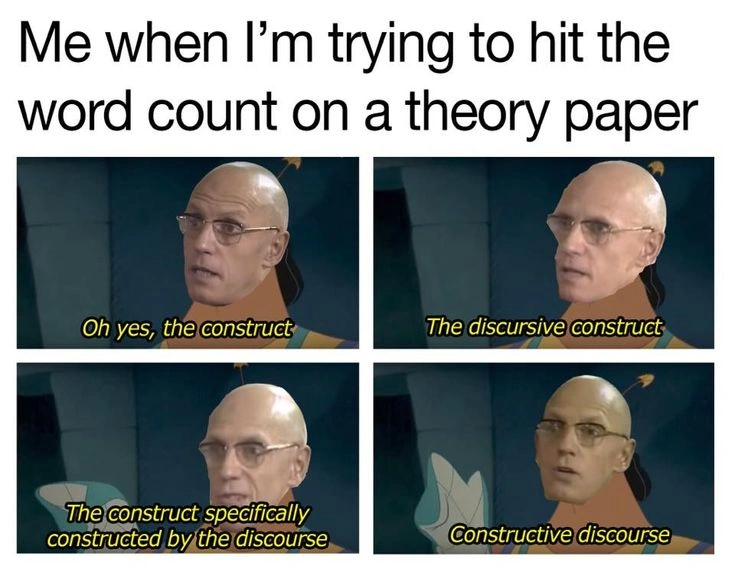
At first glance, a meme seems lightweight, ephemeral, and humorous, which is the opposite of a serious academic essay. But if you slow down, you see complexity. A classic “image macro” meme pairs a carefully chosen photograph or still image with a caption that re-contextualises it, often ironically or satirically. That juxtaposition creates the kernel of an argument or a provocation: this image means something different if I say X about it.
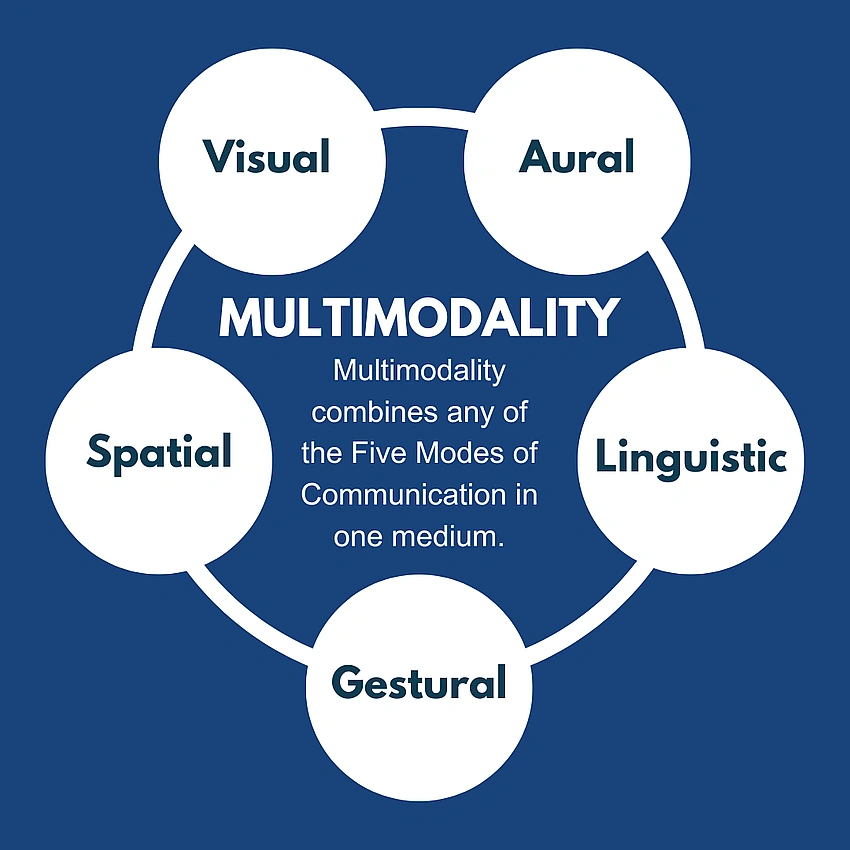
Memes, in this sense, participate in what scholars call visual literacy or multimodal literacy: viewers are invited to “read” the image, notice what visual strategies are at play (angle, expression, framing, context), identify how the caption reframes meaning, and then judge whether the meme’s explicit or implied proposal holds up.
In educational research, there has been practical work on memes as tools for learning: students are asked to explain existing memes or even create their own to capture a concept taught in class. That task, it turns out, encourages the same moves good essays ask for: summarising, rephrasing, compressing complex ideas, choosing the right tone, and anticipating an audience.
Compressed argument, layered meaning
Because memes are so compressed, every element must carry weight. Take the “Distracted Boyfriend” meme: the image is a stock photo of a man turning away from his girlfriend to look at another woman. By relabelling the figures — say, “Me”, “My thesis topic”, “A vaguely interesting side note” the meme instantly dramatises conflict, temptation, and misdirected attention.
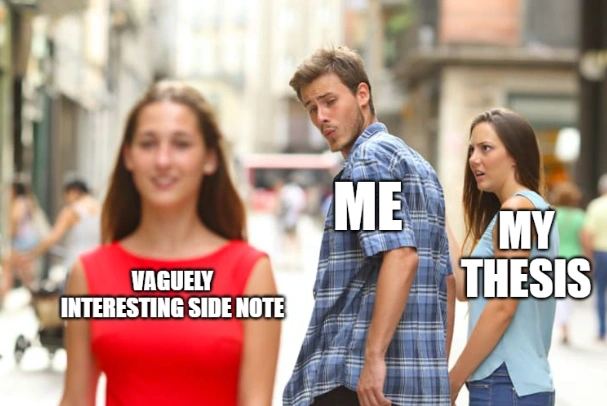
The humour comes not just from the incongruity, but from recognition: you’ve felt tempted by tangential ideas when you should have stayed focused. That emotional recognition, plus the satirical edge, does the work of a short essay: it identifies a problem, dramatises a tension, and nudges the viewer to reflect on their own behaviour.
That mental work of spotting the irony, imagining the missing premise, and recognising the absurdity is precisely what critical thinking students are trained to do. A meme is like a short prompt: spot the assumption, test the logic, respond (perhaps by laughing, or by creating a counter-meme).
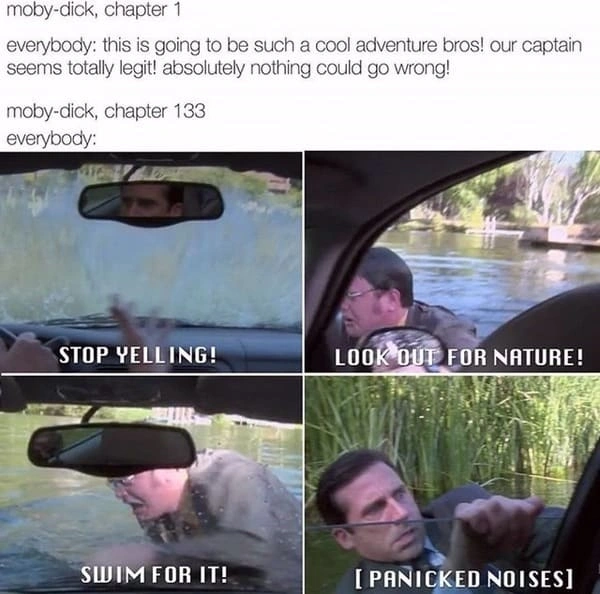
Memes in the classroom: a pedagogical experiment
Several studies have shown that memes can actually enhance learning, especially when students are asked to analyse or create them. A recent investigation into university social-science courses reported that meme-creation assignments increased student engagement, encouraged active learning, and helped students internalise abstract concepts by translating them into cultural references.
There are two powerful pedagogical moves here:
- Explain a meme: students unpack how the visual and textual elements interact, what assumptions are being made, whether the logic holds, and what alternative framings might exist.
- Create a meme: students practice compression and visual-textual rhetoric, forcing them to choose a core idea, find or imagine a visual metaphor, and combine both in a punchy, shareable form.
When done reflexively with discussion about audience, tone, and possible misinterpretations, it becomes a serious thinking exercise, not a mere distraction.
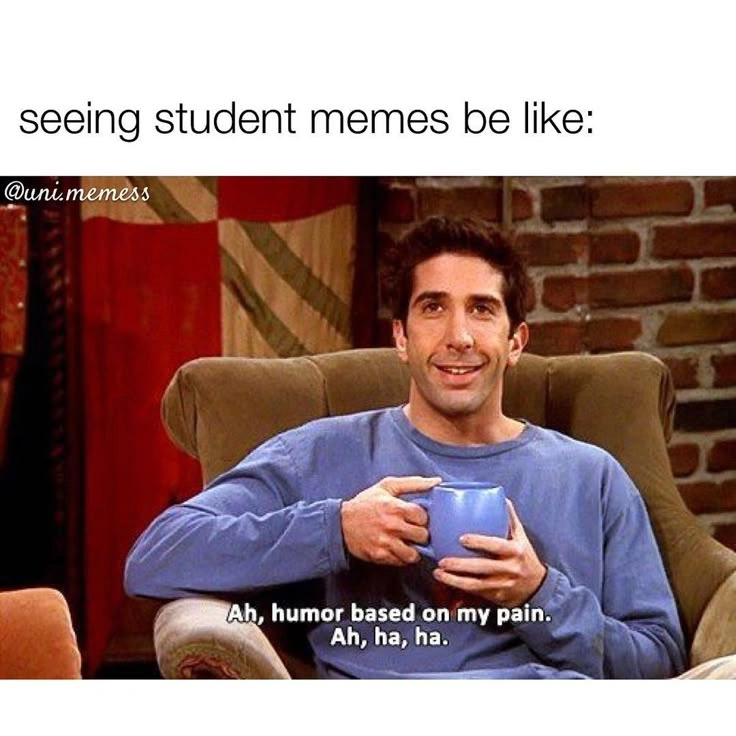
Critical literacy in a meme-saturated world
Memes don’t exist in a vacuum. They are circulating cultural artefacts, shaped by platforms, by community norms of humour and irony, and by the politics of shareability. They mutate, spread, and get remixed. Participating in meme culture, whether as consumer, sharer, or producer, demands meme-literacy: not just knowing humour or references, but recognising the underlying rhetoric and the implicit arguments.
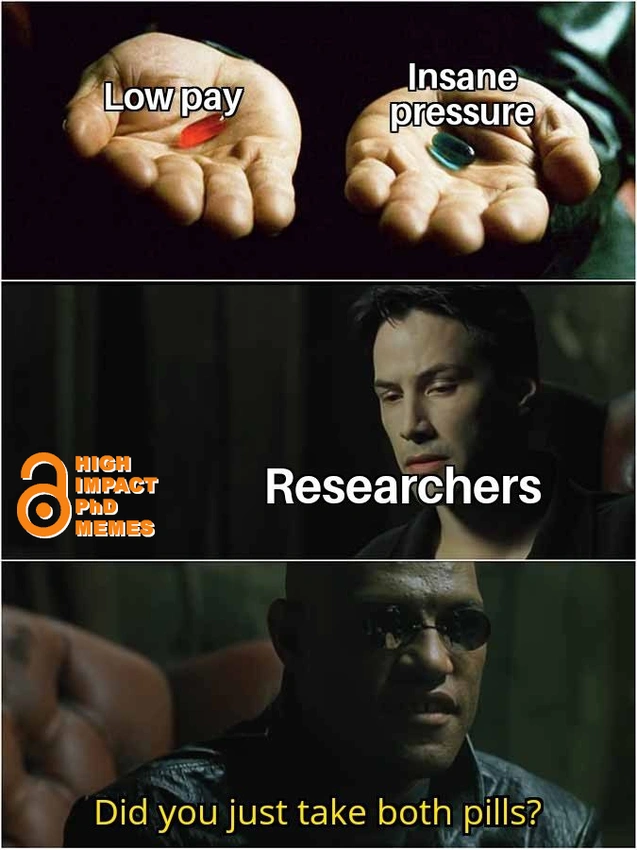
That literacy is crucial in our digitally mediated age, where image-text hybrids compete for our attention and shape public discourse. Memes can reinforce existing assumptions or subtly undercut them. They can simplify complex issues, but also provoke deeper reflection if the viewer brings a critical eye.
My reflections
As someone trained in literary criticism, I find memes a compelling new frontier. Literary criticism teaches us to slow-read: to notice diction, metaphor, framing, ambiguity, irony, and counterpoint. Memes demand a variant of slow-reading in the fast lane of social media: notice the visual cue, the incongruous caption, the emotional dissonance, the gap between what is shown and what is asserted, and then consider the implied critique.
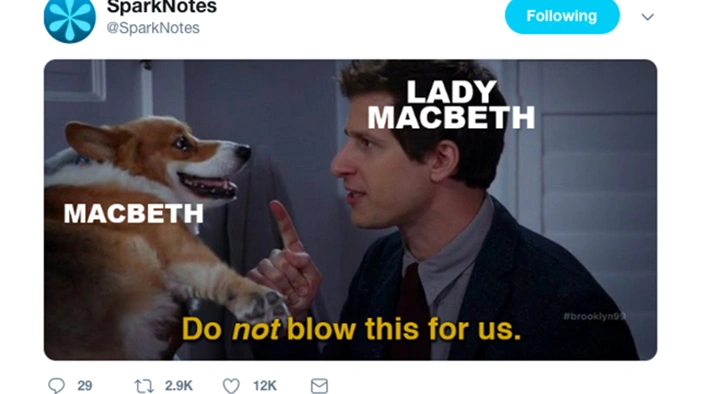
Creating even just a mock or provisional meme pushes me to think: what image would best represent this absurd idea? What caption would expose the flaw or highlight the irony? It’s a useful discipline in compression and wit, and it sharpens my ability to spot rhetorical sleight-of-hand in more traditional texts.
At times, I worry about the superficiality of memes. They can flatten nuance, reinforce stereotypes, or encourage lazy irony. But when approached thoughtfully, they can serve as stimulants to thought that spark a longer chain of reasoning or writing.
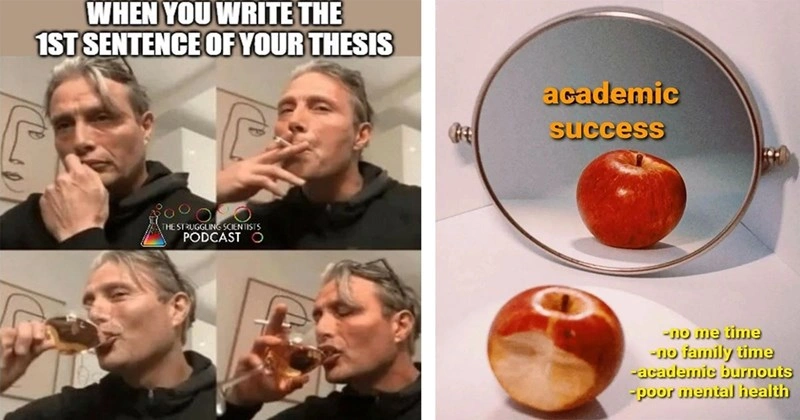
I suspect that part of the reason memes are so irresistible to our generation is that they already embody the hybrid literacy of today’s world: image-text, fast-moving, often ironic, and socially embedded. If we can treat them not as distractions but as rhetorical artefacts, then we open up a new mode of critical thinking for a digital generation.
In asking the viewer to spot assumptions, decipher the twist, respond with irony or counter-framing, memes engage the same faculties we use when reading Shakespeare, analysing poetry, or tracing modernist fragmentation, but faster, flashier, and more public. While I don’t see memes replacing essays, I do see them as useful companions. Thinking critically in image form is a real skill and one well worth cultivating.
#MemeLiteracy #VisualLiteracy #MemeCulture #MediaStudies #CriticalThinking #GenZ #Culture #PopCulture #InternetHistory
