The Normalization of Loneliness

The Normalization of Loneliness
The Normalization of Loneliness
From stigma to chic, this analysis shows how loneliness is reframed as a lifestyle trend, with candles and curated cafés shaping identity, while public health warns of persistent isolation.
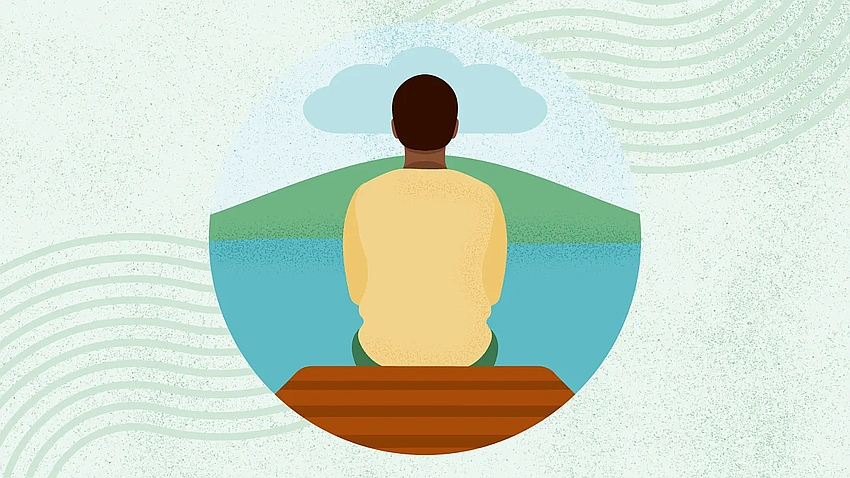
Loneliness used to be narrated as an index of moral failing or social pathology: the melancholic orphan, the shut-in, the failed neighbour. Today, by contrast, solitude has been rebadged. We buy candles called “quiet”, post sunlit flatlay selfies of cafés we sit in alone, and cultivate an online persona that treats being alone as a cultivated taste aesthetic, intentional, even fashionable. This shift from stigma to style tells us less about a spontaneous renaissance of inwardness and more about how late-capitalist subjectivity negotiates anxiety, consumption and social connection.
From public worry to curated solitude
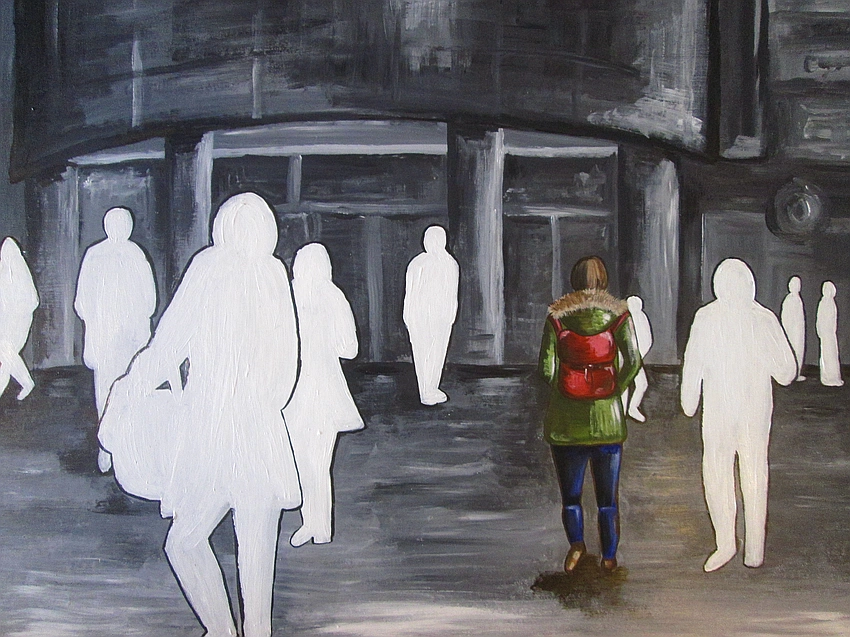
Public-health authorities still treat loneliness as a problem. Surveys in the UK and elsewhere show non-trivial shares of the population report feeling lonely “often” or “always”, and charities emphasise chronic loneliness as a social-policy issue. At the same time, media narratives and self-help aesthetics offer solitude as a resource: a site of productivity, authenticity and tasteful restraint. The uneasy coexistence of policy alarm and lifestyle branding suggests that the emotional texture of loneliness has been split in two: medicalised when inconvenient and stylised when marketable.
Why loneliness became fashionable
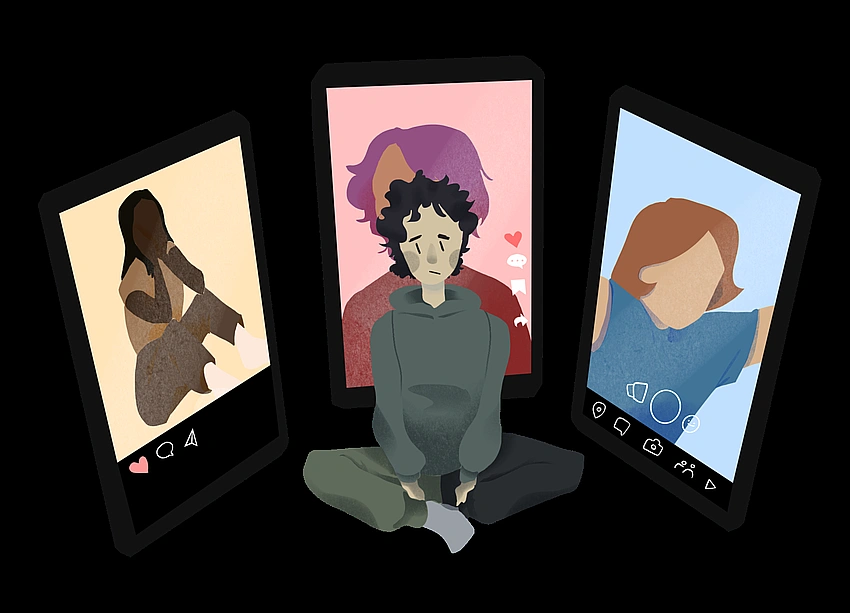
Three intersecting trends help explain the aesthetic turn. First: demographic and social change. More people live alone than in previous decades, and civic life has been reshaped by changing work patterns and mobility; there are simply more private interiors to inhabit. Second: digital life. Social media and mediated friendships allow affective display without traditional obligations, producing an economy of visible solitude, the “I’m fine” post that reads like a still life. Third: the attention economy. Solitude sells because it can be packaged: retreats, books, influencer feeds, and artisanal acoustic playlists. The result is a marketably melancholic aesthetic that promises control over one’s separateness while erasing structural causes of isolation.
Between choice and compulsion
There’s a political subtlety to the trend: aesthetic solitude presents itself as voluntary even where it is not. Choosing a minimalist apartment or a curated “solo travel” Instagram can be liberating, but the same gestures can function as cover stories for precarity, overstretched labour and weakening public spaces. To aestheticise loneliness is sometimes to obscure it: what looks like a carefully chosen hermitage may be the only option for someone priced out of stable communities, meaningful leisure or affordable care. Seen this way, the “chic loner” is a cultural fig leaf over deeper social erosion.
The paradox of being alone together
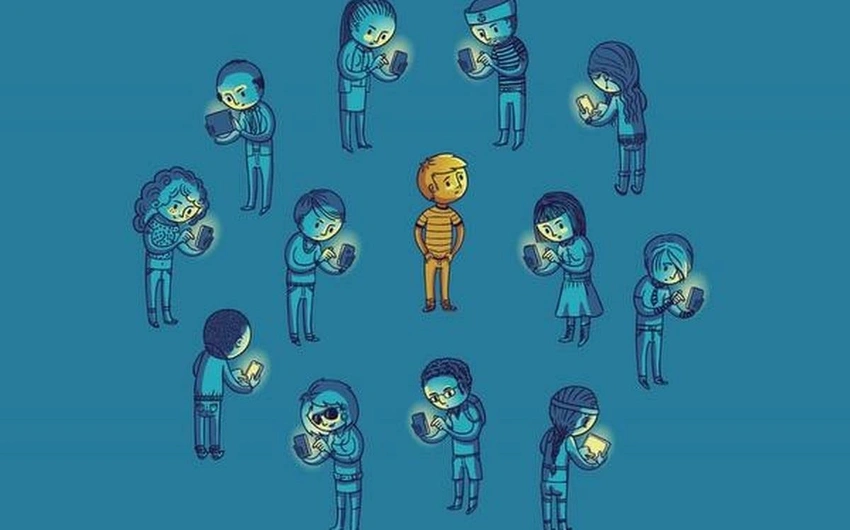
Writers and thinkers have long argued that technology changes the terms of intimacy rather than abolishing it. Machines and platforms promise connection but often replace embodied sociality with simulacra: plentiful contacts, shallow ties, and performative presence. The aesthetic of loneliness is often enabled by the same networks that produce feelings of arbitrary disconnection. In other words, we are becoming experts at representing solitude while losing some of the practices that make companionship possible.
What the aesthetic reveals about value and selfhood
Aestheticising loneliness also performs a kind of identity work. The cultivated solitary subject signals discernment: one is not merely alone; one is solitary by choice, a connoisseur of interiority. This stratifies loneliness into categories: the tragic, the clinical, and the enviable. It aligns with broader neoliberal narratives about responsibility and self-management. If you are lonely, you must “work” on yourself, buy the right book, and attend the right retreat. In this sense, solitude’s chicness can be read as a symptom of an ethos that individualises social problems and turns repair into consumption.
A cautious sympathy
None of this is to dismiss the pleasures of being alone. Deliberate solitude can produce reflection, artistic labour and a certain moral clarity. But the cultural moment we inhabit asks us to be suspicious of easy binaries: aestheticisation is neither wholly benign nor wholly sinister. It can dignify solitary lives, and it can domesticate suffering into content. The responsible humanities response is to hold both truths at once, to attend to the aesthetic forms solitude takes while refusing the political quietism that lets social determinants of loneliness go unaddressed.
If we want solitude to be an ethical option rather than a branded necessity, we must recover public practices that make choice possible: robust civic institutions, affordable housing, time for care and convivial public spaces. Only then will the pleasures of being alone remain genuinely elective and not merely the prettified residue of a society that has quietly outsourced its obligations to one another.
['#Loneliness', '#Solitude', '#CulturalTrends', '#MentalHealth', '#LateCapitalism']
