Why More Choices Make Us Less Happy: The Hidden Toll of Decision Fatigue

Why More Choices Make Us Less Happy: The Hidden Toll of Decision Fatigue
Why More Choices Make Us Less Happy: The Hidden Toll of Decision Fatigue
Feeling overwhelmed by endless choices? You're not alone. Here I breaks down decision fatigue and choice overload, and tell you why more options can dim your judgment, and offers simple strategies to regain clarity.
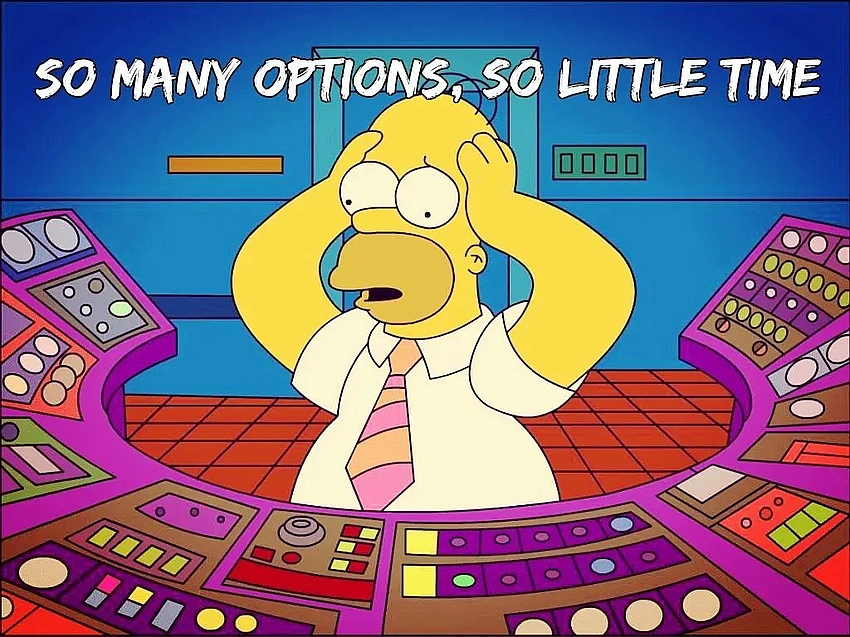
Lately, I’ve been noticing something troubling in my own life (and I suspect many of yours): more options, more unhappiness. We live in an age where choice is everywhere, from which streaming service to pick to which career track to pursue, and yet, paradoxically, I feel more stuck than ever. What’s going on? Welcome to the world of decision fatigue and choice overload.
What is Decision Fatigue, Anyway?
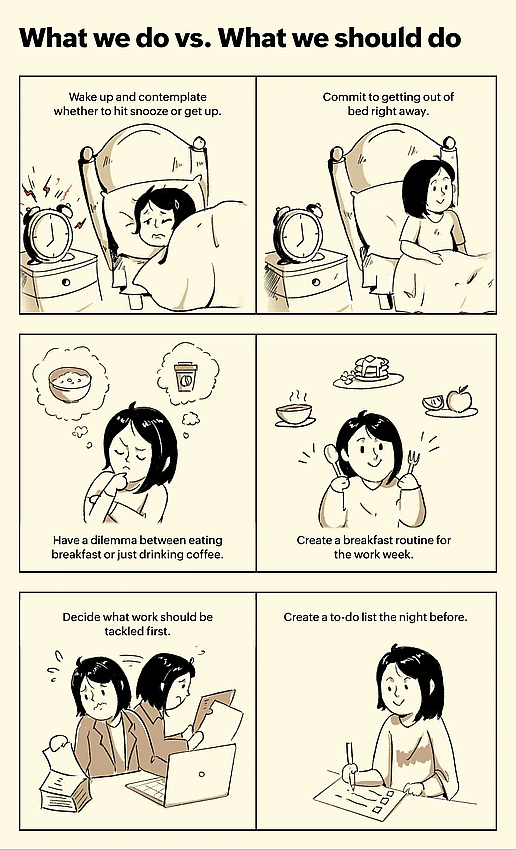
In simple terms, decision fatigue is a decline in the quality of decisions after you’ve made many of them. Your brain has limited mental energy. When you use it up on small, repeated choices, your ability to make good decisions later falters.
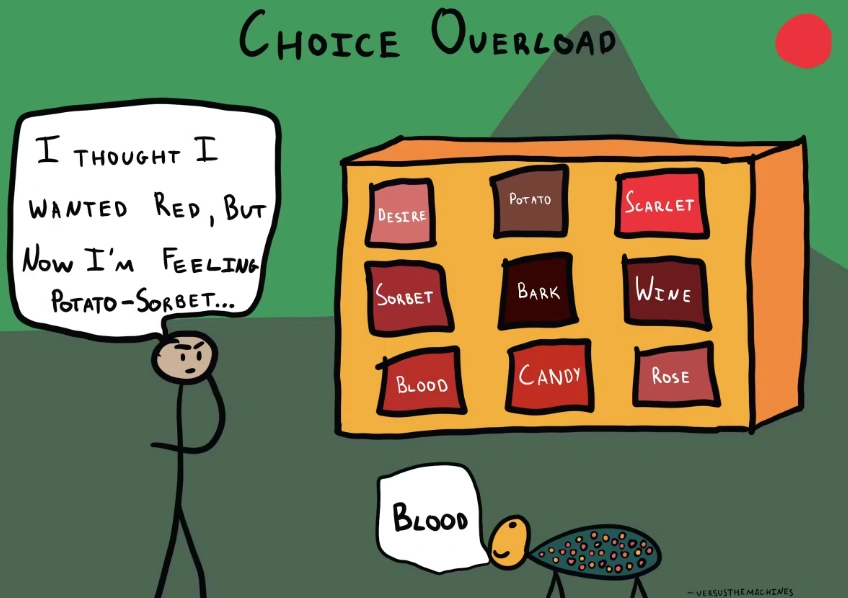
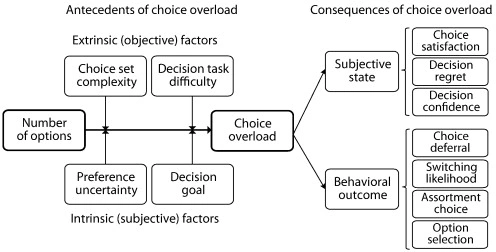
A related concept is choice overload (or overchoice): when the number of options is so large or so complex that it becomes overwhelming. Instead of being liberating, more options become burdensome.
Why More Choices Don’t Necessarily Mean More Freedom
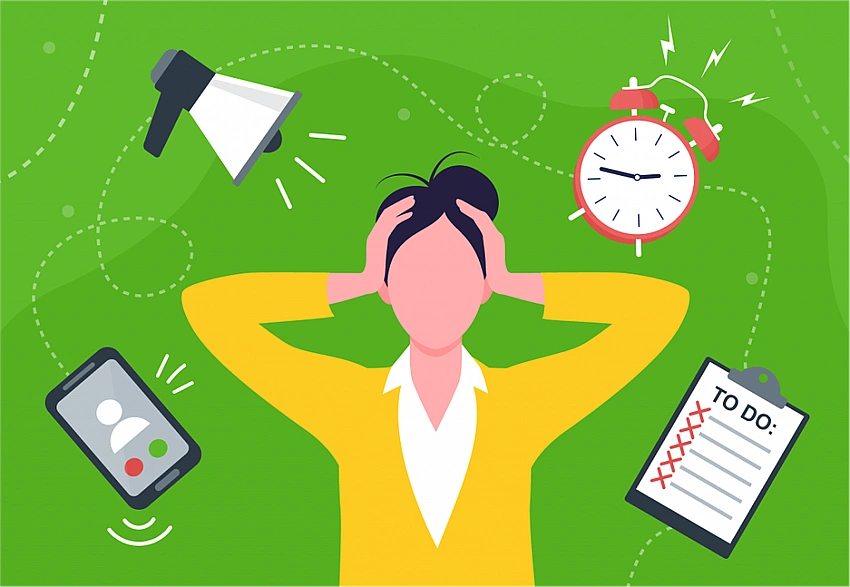
The instinct is to think that choice equals freedom. After all, having many options implies autonomy. But psychologically, there are costs:
- Cognitive load rises. Every option adds information to the process. Every choice requires considering trade-offs. That mental effort adds up.
- Satisficing vs maximising: Some people try to make the absolute best decision (maximisers), and when options are many, they might feel regret or doubt that they missed something. Others (satisficers) settle for “good enough.” The more one tries to maximise, the more potential for disappointment. (This idea comes up in studies of overchoice.)
- Paralysis: Sometimes, more options simply lead to making no decision. Indecision or procrastination becomes the default when the decision feels too hard.
- Emotional cost: Anxiety, stress, regret, second-guessing. All tend to increase when we feel we have to choose “the best” among many.
How Decision Fatigue Manifests in Everyday Life
Here are some moments where I catch myself sinking under choices:
- At the café: staring at a menu with fifteen kinds of pastries, hesitating so long that the barista gives me the standard croissant.
- On streaming platforms: endless scrolling through films, but none are watched, because none seem perfect.
- In academic life: choosing modules, selecting thesis topics, picking which conferences to attend; all of which feel important, and so the fear of picking wrongly becomes huge.
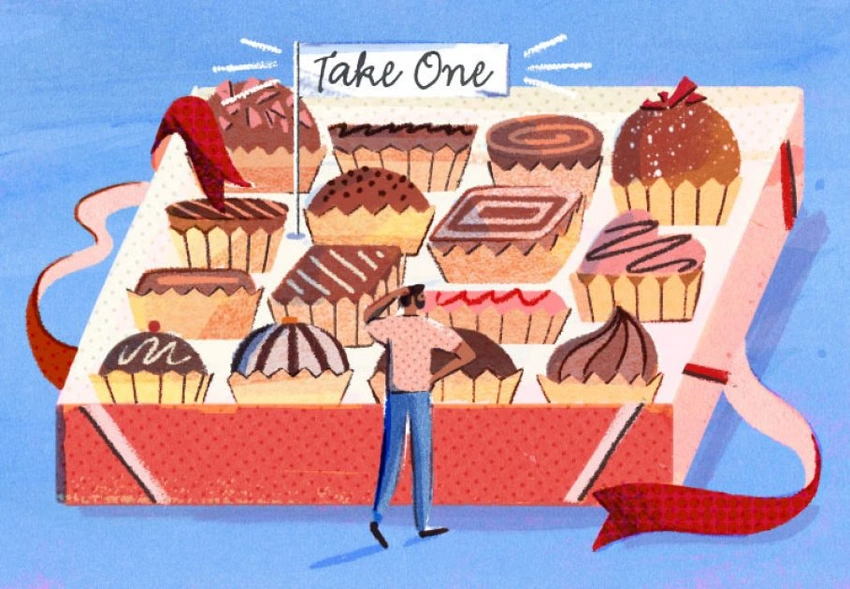
These are banal, everyday examples, yet the accumulation is heavy. Decision fatigue doesn’t only hit grand life moments. The small, repeated decisions add up.
What the Research Tells Us
Literature aside, psychology has some solid findings:
- The more decisions you make, especially early in the day, the worse the quality tends to be later. This is seen in experiments investigating decision fatigue.
- Choice overload studies show that when people have too many attributes to compare (price, colour, brand, etc.), decision difficulty increases.
- In consumer behaviour, too many options often lead to decision paralysis and even abandoning decisions (for instance, not buying anything) rather than choosing poorly.
What Can We Do
Since I don’t want to live in a state of constant fatigue, I’ve tried a few things. These are suggestions, not commandments:
- Make big decisions early in the day, when mental energy is higher. Leave small or trivial choices for later.
- Set criteria: Before you look at options, decide what matters (cost, ethics, convenience) so that you can immediately discard options that don’t meet those criteria.
- Practice satisficing: Accept “good enough” rather than perfect. It can prevent regret and save energy.
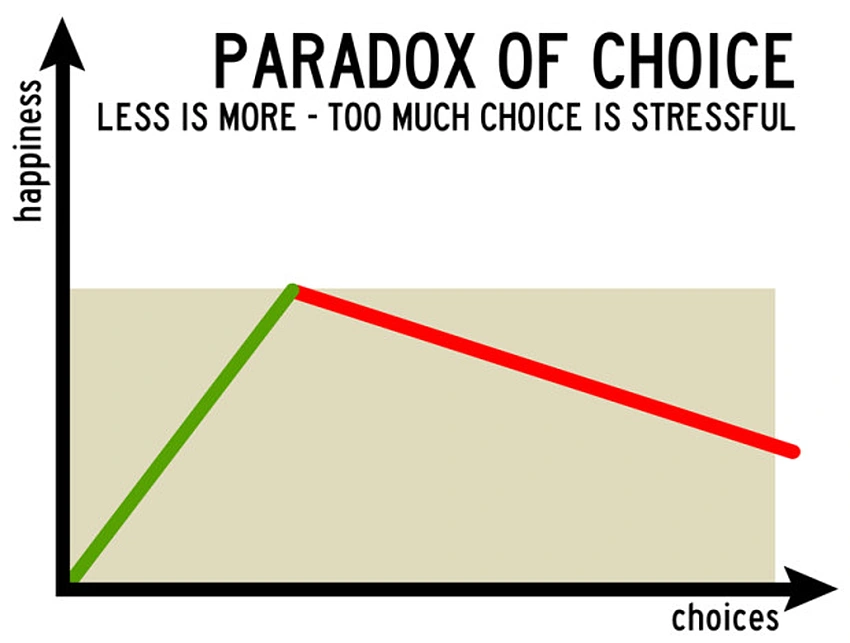
Choice is beautiful, yes. It’s part of what being human means. But when every moment feels like you are on trial to choose the perfect way, that beauty curdles. Decision fatigue is not a failure of willpower or character; it is a human response to an environment saturated with options and expectations.
We cannot, and should not, shield ourselves from every decision. But perhaps we can be intentional about how we face them, choosing not only what we choose, but when, how many, and why. Because sometimes, true freedom lies in having fewer forks in the path.
#DecisionFatigue #ChoiceOverload #MentalEnergy #Wellbeing #SelfImprovement #Culture #MentalHealth
