#SelfImprovement
Rocket wakeup call: Mel Robbins swapped fear for speed each morning, launching out of bed like a rocket. #MorningRoutine #WakeUpPower #SelfImprovement
Login to reply.
12 Replies
Wow, this quote really hit home for me. It's so easy to trick ourselves into thinking we're afraid of failing when, deep down, the real terror is letting down the people who believe in us, or even just the people we care about. That pressure can be paralyzing!
It makes you second-guess every move, hold back from taking risks, and sometimes even give up before you start, just to avoid that potential look of disappointment. It's a huge shift in perspective when you realize it's not about your own perceived shortcomings, but about the emotional burden of others' expectations. How many opportunities do we miss because of this?
It's definitely something to reflect on, maybe understanding this fear is the first step to overcoming it and truly pursuing what we want, regardless of external validation. #Psychology #PersonalGrowth #SelfImprovement
Login to reply.
3 Replies
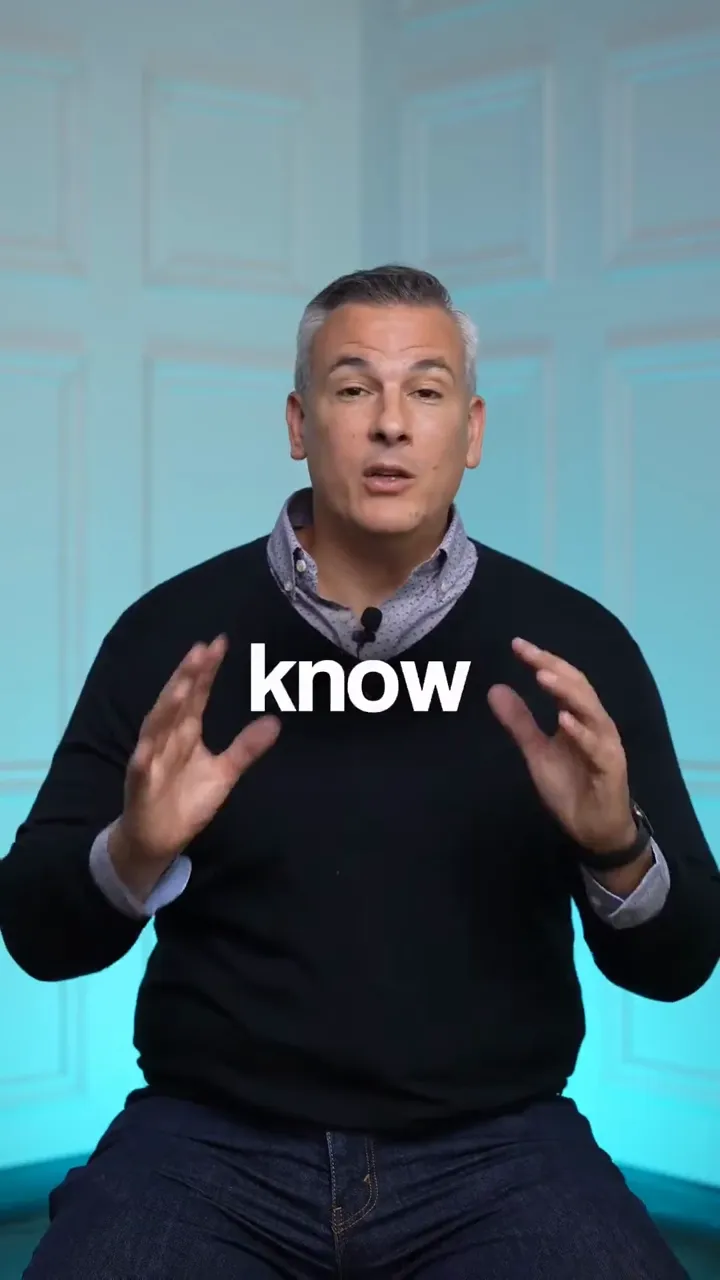
Conversations that sting: A sharp take on why chats go flat and how to bring them to life. #Conversations #CommunicationSkills #SelfImprovement
Conversations that sting:
A sharp take on why chats go flat and how to bring them to life.
Login to reply.
14 Replies
Login to reply.
No thots yet. Be the first to share your thoughts!
Login to reply.
No thots yet. Be the first to share your thoughts!
Login to reply.
No thots yet. Be the first to share your thoughts!
Sometimes it still feels personal, . I'm trying. #selfimprovement
Login to reply.
No thots yet. Be the first to share your thoughts!
Login to reply.
No thots yet. Be the first to share your thoughts!
Positive energy, but some practical steps would help. #selfimprovement
Login to reply.
No thots yet. Be the first to share your thoughts!
Login to reply.
No thots yet. Be the first to share your thoughts!
Login to reply.
No thots yet. Be the first to share your thoughts!
Reset your life now: Spot the signs, take small steps, and reset your path. #growthmindset #selfimprovement #positivevibes
Reset your life now:
Spot the signs, take small steps, and reset your path.
Login to reply.
14 Replies
Disagree without drama: Disagreements are not battles; growth comes from honest talk and boundaries. Be your best self. #growthmindset #selfimprovement #mentalhealth
Disagree without drama:
Disagreements are not battles; growth comes from honest talk and boundaries. Be your best self.
Login to reply.
14 Replies
Trust the journey: Patience fuels growth; your best self takes time. #growthmindset #selfimprovement #personaldevelopment
Trust the journey:
Patience fuels growth; your best self takes time.
Login to reply.
14 Replies
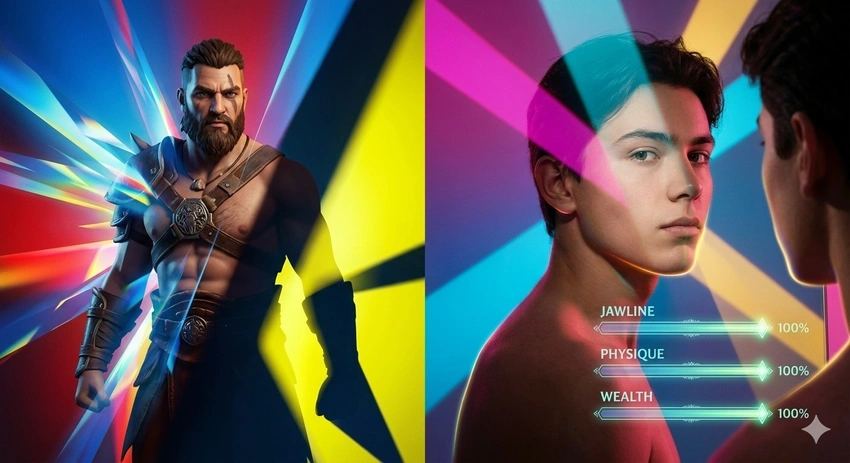
From D&D stats to glowing skin, Gen Z is obsessed with maxxing. Discover why the internet's favorite suffix is turning our daily lives into an RPG. Have you noticed your social media feed lately? It is no longer just about getting fit or dressing well. It is about gymmaxxing, stylemaxxing, and even ... Read full article.
Are You Maxxing Your Life? Why Gen Z Is Turning Self-Care Into a High-Stakes Video Game
From D&D stats to glowing skin, Gen Z is obsessed with maxxing. Discover why the internet's favorite suffix is turning our daily lives into an RPG.
The Age of the Personal Upgrade
Have you noticed your social media feed lately? It is no longer just about getting fit or dressing well. It is about gymmaxxing, stylemaxxing, and even personalitymaxxing. The suffix maxxing has taken over the vocabulary of Gen Z, transforming the messy process of growing up into a series of strategic data points. But where did this come from, and why are we so obsessed with treating our lives like a character sheet?
From Dungeons to Digital Feeds
To understand the trend, we have to look at gaming history. Long before it was a lifestyle, the concept lived in tabletop games like Dungeons and Dragons. Players used a strategy called min-maxing. They would minimize useless traits to maximize a specific strength, such as sacrificing intelligence for raw power. By the early 2010s, this logic migrated to niche online forums. It eventually evolved from a gaming tactic into a way to describe extreme self-optimization. What started as a way to win a fantasy battle is now being used to win at real life.
Why We Gamify Everything
There is something satisfying about seeing progress as a bar filling up. In an uncertain world, the idea that you can calculate your value through looksmaxxing or healthmaxxing offers a sense of control. If you can just reach the limit of your capacity in one area, everything else might fall into place. It turns the nebulous goal of happiness into a clear set of objectives.
The Pros and Cons of Maxxing:
- Focus: It provides clear goals for physical health and personal style.
- Community: It creates a shared language for people trying to improve themselves.
- The Trap: It can lead to an obsession with perceived flaws and a never-ending cycle of dissatisfaction.
Beyond the Stats
While optimizing your life sounds great on paper, we are not digital avatars. Real self-improvement is often slow, non-linear, and impossible to measure with a simple suffix. While healthmaxxing might get you to the gym, it is important to remember that human value cannot be reduced to a maximum stat. Life is not an RPG, and sometimes, the best moments happen when we stop trying to optimize and just start living.
Login to comment.
8 Thots
More Like This
Decision sparks change: Decide to change and act like the person you want to become. #growthmindset #selfimprovement #starttoday
Decision sparks change:
Decide to change and act like the person you want to become.
Login to reply.
14 Replies
Disagree without drama: Disagreements aren't betrayals; growth comes from clear talk and healthy boundaries. #growthmindset #selfimprovement #healthycommunication
Disagree without drama:
Disagreements aren't betrayals; growth comes from clear talk and healthy boundaries.
Login to reply.
14 Replies
Embrace hard things: A quick pep talk: tackling tough tasks grows strength and makes life feel easier. #growthmindset #challengeyourself #selfimprovement
Embrace hard things:
A quick pep talk: tackling tough tasks grows strength and makes life feel easier.
Login to reply.
16 Replies
3 skills that pay forever From reading to speaking, learn honest, precise language—even if you are shy. #SelfImprovement #CommunicationSkills #PersonalGrowth
3 skills that pay forever
From reading to speaking, learn honest, precise language—even if you are shy.
Login to reply.
No thots yet. Be the first to share your thoughts!
How to be taken seriously Simple steps to be seen as credible in any situation. #BeTakenSeriously #EarnRespect #SelfImprovement
How to be taken seriously
Simple steps to be seen as credible in any situation.
Login to reply.
No thots yet. Be the first to share your thoughts!
Stop feeling useless Blunt, practical tips to stop feeling stuck and start taking action. #SelfImprovement #ProductivityTips #LifeHacks
Stop feeling useless
Blunt, practical tips to stop feeling stuck and start taking action.
Login to reply.
No thots yet. Be the first to share your thoughts!
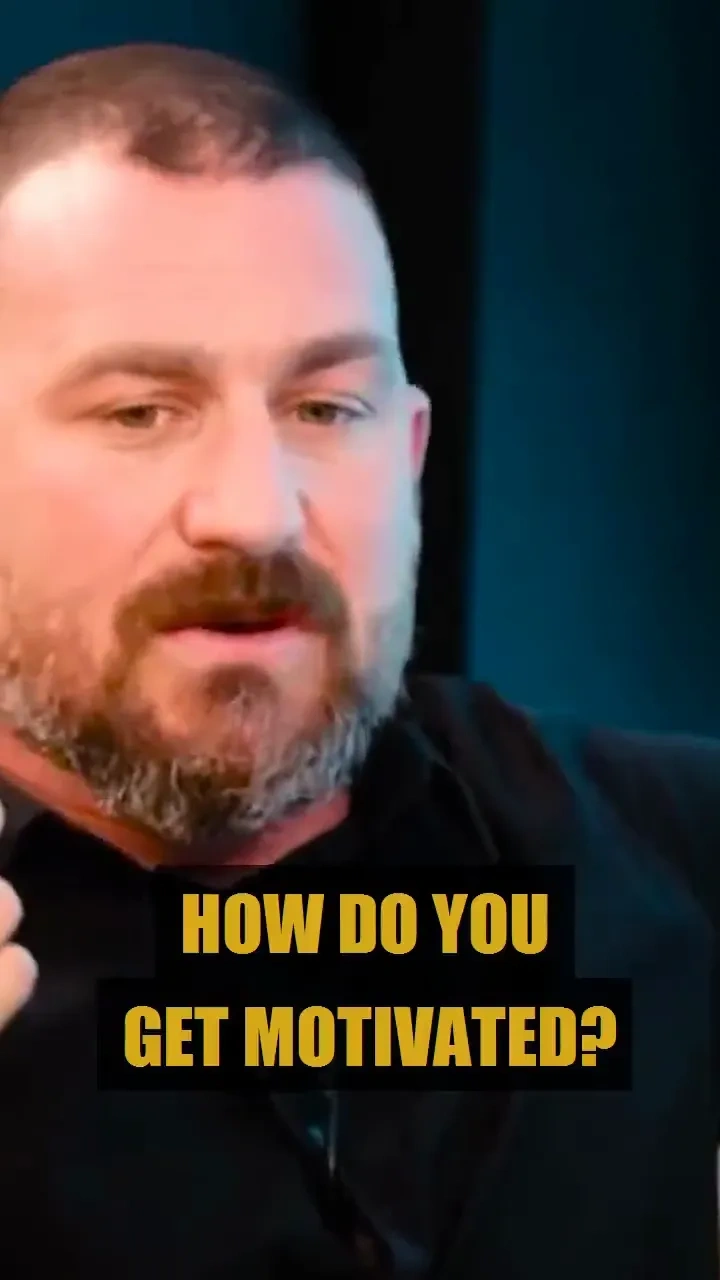
Hack your motivation Tiny brain hacks to spark motivation, even on lazy days. #BrainHack #MotivationTips #SelfImprovement
Hack your motivation
Tiny brain hacks to spark motivation, even on lazy days.
Login to reply.
No thots yet. Be the first to share your thoughts!
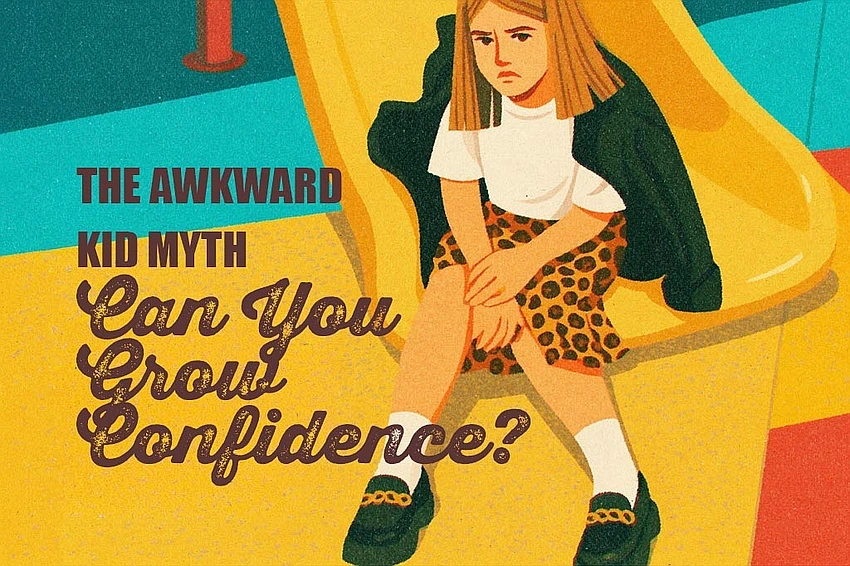
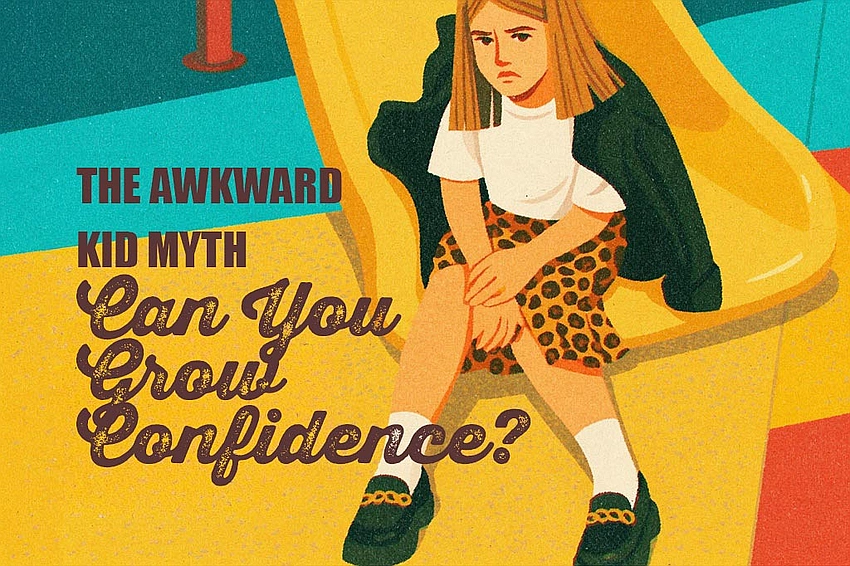
The Awkward Kid Myth: Can You Grow Confidence or Is It Fixed?
Confidence isn't a birthright—it's a muscle you can train. This piece debunks the 'natural' confidence myth and offers practical steps to grow self-a…
Confidence isn't a birthright—it's a muscle you can train. This piece debunks the 'natural' confidence myth and offers practical steps to grow self-assurance, even for quiet or awkward moments.
I used to think confidence was a birthright. Like some kids popped out of the womb cracking jokes and others, like me, showed up holding a permanent “awkward” badge. I was the quiet one in school, the person who rehearsed “here” before roll call just to avoid saying it too loud or too soft. I still could never nail it - every time the teacher had to look up to see who was being too loud or too soft. And so did everyone else.
Meanwhile, there was always that one classmate who could charm a teacher, lead a debate, and somehow also be the star of the school play. I assumed they had it, I didn’t, and that was that.
But here’s the thing I didn’t know: confidence isn’t a fixed trait. It’s not something you’re either blessed with or doomed to live without. It’s closer to a muscle. Awkward kids can grow it. Even the most self-assured people can lose it.

The Myth of the “Natural”
We love to label people: the “confident kid,” the “shy kid,” the “awkward kid.” It’s a neat shortcut. But science suggests confidence doesn’t live in your DNA the way eye color does.
Psychologists define confidence as “self-efficacy” - basically, your belief in your ability to handle situations. That belief is shaped less by genetics and more by experiences. Albert Bandura, the psychologist who coined the term, found that:
Mastery experiences like actually trying and succeeding are the biggest confidence builders.
So confidence grows when you practice, mess up, and try again. It’s not a magic gift. It’s earned through reps.
Personal Evidence: The School Dance Confidence Boost-Up
In high school, I signed up for amy first group dance. I had convinced myself that I could also go on the stage and dance in front of everyone even if they made fun of me. It was the last year of school - there was less to lose!
But one day during practice, our confident group lead said, "I don't need to practice, you guys keep doing it." It felt like a punch. She wasn't that much better than us - she just felt it - just because we were doing it a little less confidently.
So I decided to practice even harder. I didn't get to become a lead or anything, but was chosen to stand on the front for a big portion of the dance. Awkwardness wasn’t permanent.
That’s how confidence begins.
Practice Makes Personality
Research backs this up. Carol Dweck’s work on “growth mindset” shows that people who believe they can improve at something actually do. When it comes to confidence, practicing skills in safe environments (presenting in front of friends, raising your hand once a week in class, singing at karaoke night) rewires your brain’s comfort zone.
This explains why people who join improv classes, debate clubs, or even team sports often describe themselves as “less shy” afterward. They gave their awkward self more reps until comfort replaced fear.
What About Personality?
Of course, personality plays a role. Some people are naturally more extroverted. They thrive on social energy. Others are introverted and prefer quiet. But introversion isn’t lack of confidence. You can be a confident introvert, just as you can be a painfully insecure extrovert.
The awkward kid myth blurs these lines. It assumes shyness or introversion - permanent lack of confidence. But confidence is contextual. You might be confident writing a poem, but not speaking it aloud. You might shine in one-on-one conversations but panic in a crowd. None of that is fixed - it shifts with practice, experience, and support.
The Society
Building confidence is a skill - but it doesn’t happen in a vacuum. Social norms, gender expectations, parenting and even race or class can shape how much space we feel allowed to take up. Which means if you’ve felt like the “awkward kid,” part of that may be society whispering, “don’t get too loud.”
What Grows Confidence (and What Doesn’t)
So, can you grow confidence? Yes. Here’s what works:
- Do the thing, badly, repeatedly.Try to improve. Confidence is realizing the world won’t collapse if you fail.
- Seeing someone like you succeed matters. It expands your belief of what’s possible.
- Find support. Friends, mentors, even strangers who say “you got this” can help you try again.
What doesn’t work? Waiting until you “feel ready.” Confidence doesn’t arrive before the action. It’s built through the action.
The Awkward Kid, Rewritten
I still think of myself as awkward sometimes. I still rehearse my intro before networking events. But I’ve learned awkwardness isn’t a permanent condition - it’s a stage. Confidence can grow in messy, uneven ways. it means becoming steady enough to raise your hand once, to dance off-beat, to speak up when it matters.
Confidence isn’t fixed. It’s more like Wi-Fi. Sometimes shaky, sometimes strong, but always improvable if you keep reconnecting.
#ConfidenceMyth, #GrowYourConfidence, #SelfImprovement, #GrowthMindset, #MentalFitness
Login to comment.
4 Thots
More Like This
Why More Choices Make Us Less Happy: The Hidden Toll of Decision Fatigue
Feeling overwhelmed by endless choices? You're not alone. Here I breaks down decision fatigue and choice overload, and tell you why more options can …
Why More Choices Make Us Less Happy: The Hidden Toll of Decision Fatigue
Feeling overwhelmed by endless choices? You're not alone. Here I breaks down decision fatigue and choice overload, and tell you why more options can …
Feeling overwhelmed by endless choices? You're not alone. Here I breaks down decision fatigue and choice overload, and tell you why more options can dim your judgment, and offers simple strategies to regain clarity.
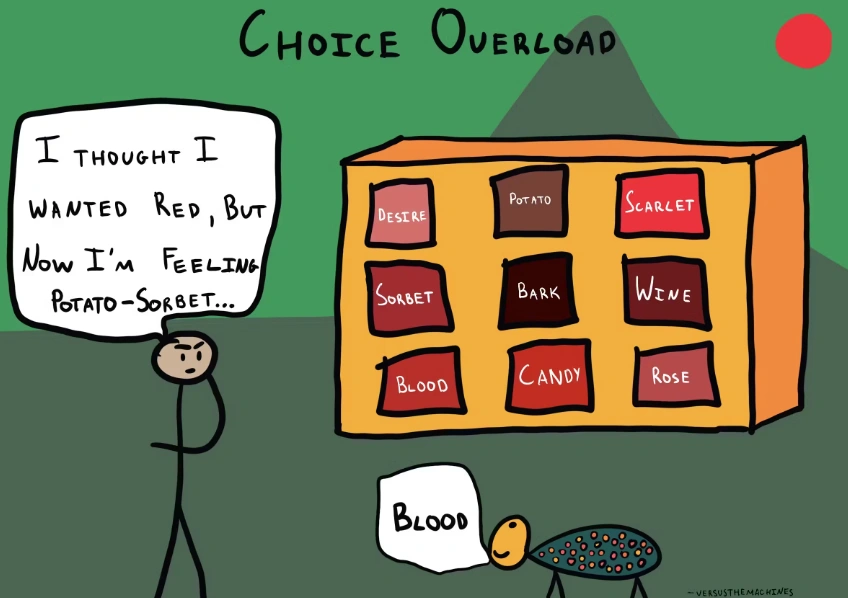
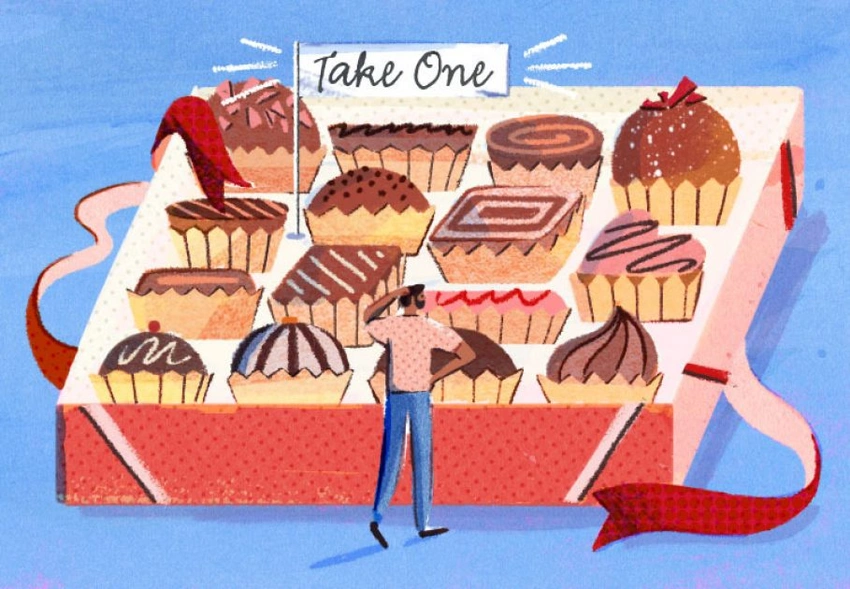
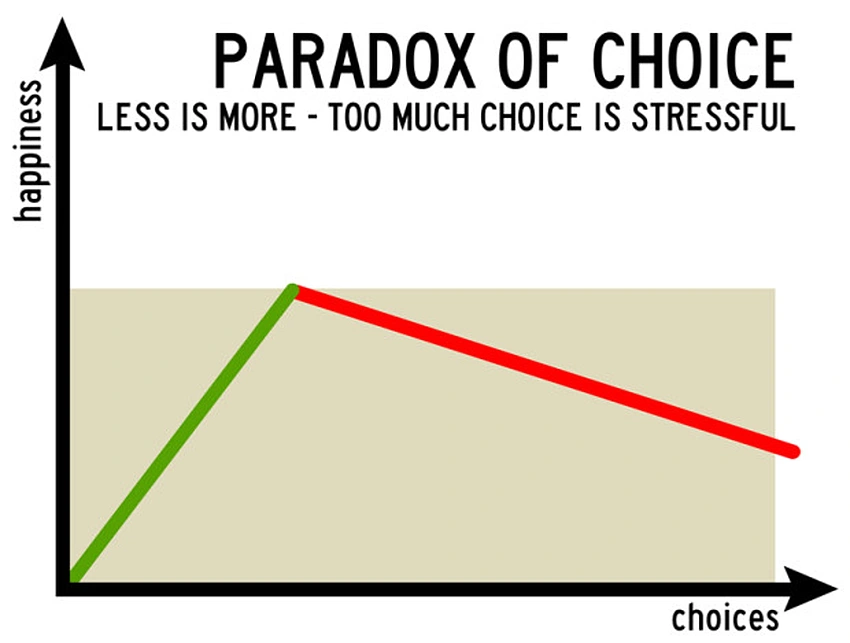
Lately, I’ve been noticing something troubling in my own life (and I suspect many of yours): more options, more unhappiness. We live in an age where choice is everywhere, from which streaming service to pick to which career track to pursue, and yet, paradoxically, I feel more stuck than ever. What’s going on? Welcome to the world of decision fatigue and choice overload.

What is Decision Fatigue, Anyway?
In simple terms, decision fatigue is a decline in the quality of decisions after you’ve made many of them. Your brain has limited mental energy. When you use it up on small, repeated choices, your ability to make good decisions later falters.
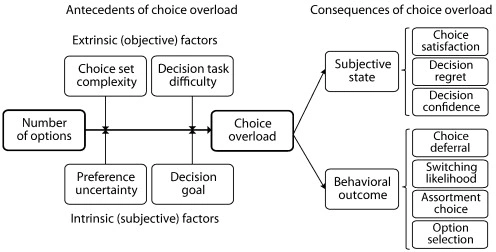
A related concept is choice overload (or overchoice): when the number of options is so large or so complex that it becomes overwhelming. Instead of being liberating, more options become burdensome.

Why More Choices Don’t Necessarily Mean More Freedom
The instinct is to think that choice equals freedom. After all, having many options implies autonomy. But psychologically, there are costs:
- Cognitive load rises. Every option adds information to the process. Every choice requires considering trade-offs. That mental effort adds up.
- Satisficing vs maximising: Some people try to make the absolute best decision (maximisers), and when options are many, they might feel regret or doubt that they missed something. Others (satisficers) settle for “good enough.” The more one tries to maximise, the more potential for disappointment. (This idea comes up in studies of overchoice.)
- Paralysis: Sometimes, more options simply lead to making no decision. Indecision or procrastination becomes the default when the decision feels too hard.
- Emotional cost: Anxiety, stress, regret, second-guessing. All tend to increase when we feel we have to choose “the best” among many.

How Decision Fatigue Manifests in Everyday Life
Here are some moments where I catch myself sinking under choices:
- At the café: staring at a menu with fifteen kinds of pastries, hesitating so long that the barista gives me the standard croissant.
- On streaming platforms: endless scrolling through films, but none are watched, because none seem perfect.
- In academic life: choosing modules, selecting thesis topics, picking which conferences to attend; all of which feel important, and so the fear of picking wrongly becomes huge.

These are banal, everyday examples, yet the accumulation is heavy. Decision fatigue doesn’t only hit grand life moments. The small, repeated decisions add up.
What the Research Tells Us
Literature aside, psychology has some solid findings:
- The more decisions you make, especially early in the day, the worse the quality tends to be later. This is seen in experiments investigating decision fatigue.
- Choice overload studies show that when people have too many attributes to compare (price, colour, brand, etc.), decision difficulty increases.
- In consumer behaviour, too many options often lead to decision paralysis and even abandoning decisions (for instance, not buying anything) rather than choosing poorly.

What Can We Do
Since I don’t want to live in a state of constant fatigue, I’ve tried a few things. These are suggestions, not commandments:
- Make big decisions early in the day, when mental energy is higher. Leave small or trivial choices for later.
- Set criteria: Before you look at options, decide what matters (cost, ethics, convenience) so that you can immediately discard options that don’t meet those criteria.
- Practice satisficing: Accept “good enough” rather than perfect. It can prevent regret and save energy.

Choice is beautiful, yes. It’s part of what being human means. But when every moment feels like you are on trial to choose the perfect way, that beauty curdles. Decision fatigue is not a failure of willpower or character; it is a human response to an environment saturated with options and expectations.
We cannot, and should not, shield ourselves from every decision. But perhaps we can be intentional about how we face them, choosing not only what we choose, but when, how many, and why. Because sometimes, true freedom lies in having fewer forks in the path.
#DecisionFatigue #ChoiceOverload #MentalEnergy #Wellbeing #SelfImprovement #Culture #MentalHealth
Login to comment.
4 Thots
More Like This
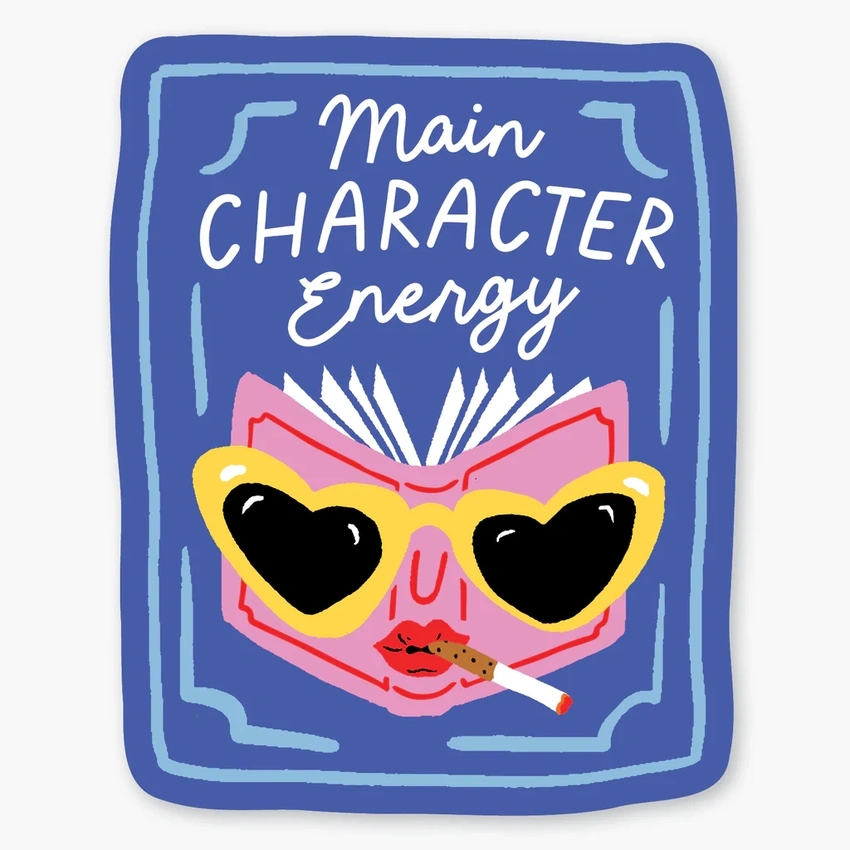
How to Give Off ‘Main Character Energy’ (Without Being Annoying)
Forgot to be the protagonist in your own life? Here's how to reclaim your story.
You’ve probably heard the phrase “main character energy.” It’s all over social media - people walking down the street like they’re in a movie, journaling at cafes with dramatic music in the background. But let’s be real: it’s not just about aesthetic. It’s about how you carry yourself.
Protagonist energy isn’t about being loud or over-the-top. It’s about showing up for yourself and being the kind of person others feel better around. Think: confidence, kindness, glow-up mindset, and good vibes.

What is Main Character Energy?
Main character energy is the vibe you give off when you take charge of your own story. It’s not about being the loudest person in the room or dressing like you’re in a movie (although that’s fun srsly). It’s about being present in your life, making choices with intention, owning your flaws, and believing your journey matters. People with main character energy don’t wait around to be rescued or chosen. They choose themselves. They reflect, they grow, and they care about how they show up in the world: even on the small days.
But it can be annoying if overdone: Main character energy isn’t about being the loudest person in the room or acting like the world revolves around you. It’s a mindset. It means living with intention, confidence, and self-awareness, like you know you’re in charge of your own story...
People with main character energy don’t need constant attention; they just move through life with purpose. They’re the ones journaling at the café, taking solo walks and being so unbothered by what others think. That's why It’s quiet, powerful, and magnetic.
It’s knowing your worth while still rooting for others.
It’s walking into a room and not needing attention, but naturally drawing it because you know who you are. Whether you're working on healing, chasing dreams, or just figuring things out - main character energy means you’re showing up for your story like it actually matters. Because it does.

11 Steps to Give Off ‘Main Character Energy’
Here are 11 simple ways to channel that energy in your real life. Let's discover how to embody protagonist energy and some additional tips for confidence, positivity, and being a supportive presence to others.
1. Romanticize Your Own Life
Make your day feel special , even the boring parts. Light a candle while doing homework. Make playlists for your errands. Dress nice just for yourself. Tiny things = big mood shift.
2. Walk Like You’ve Got Somewhere to Be
Posture matters. Shoulders back, head up, no rushing. Move like you matter, because you do.
3. Talk Kindly to Yourself/ Use Affirmations
Your inner voice sets the tone. Stop roasting yourself for every mistake. Try: “I’m learning,” “That wasn’t perfect, but I’m proud I tried.”
4. Invest in Your Own Growth
Read. Journal. Go to therapy if you can. Take online classes. Try new things. Main characters evolve, that’s what makes their story worth watching.

5. Be Curious About People, Not Jealous
Protagonist energy isn’t “I’m better than you.” It’s “I’m growing, and I’m rooting for you too.” Compliment others. Share the spotlight.
6. Have a Signature Thing
Red lipstick. Oversized hoodies. A phrase you always say. Something that makes people think “oh that’s so you.” It adds character (literally).
7. Protect Your Peace
You don’t have to reply instantly. You don’t have to go to every plan. Main characters take alone time seriously, it’s where the growth happens.

8. Stay Grateful, Even on Bad Days
You’re allowed to be sad. Just don’t forget the little wins. A good coffee. A friend’s text. The fact that you’re trying.
9. Take Responsibility for Your Story
Don’t wait for someone to save you. Change your hair. Leave the toxic job. Start that project. Main characters choosethemselves.

10. Lift Others as You Rise
The most magnetic people hype others up. Share advice. Celebrate wins. Be the friend who claps the loudest.
Real main character energy doesn’t come from ego, it comes from inner peace. You focus on your own growth, while genuinely supporting others. You’re not competing for the spotlight; you are the light.
11. Create, Don’t Just Consume
Whether it’s writing, dancing, painting, or posting, express yourself. The main character doesn’t just scroll, they build worlds. This energy is dressing up for no reason. It’s making choices that align with who you want to be.
The World Does NOT Revolve Around You
Main character energy isn't about believing the world revolves around you: it's about showing up as your fullest self while still making space for others.
Who are the most important people in your story? Who has rooted for you from the start? Make them feel important.
Yes, you’re the lead in your own story, but that doesn’t mean everyone else is just a background character.
Real protagonist energy means having the confidence to take up space and the humility to listen. It’s knowing that your glow doesn’t dim someone else’s. In fact, the best main characters uplift the people around them, they build the kind of story where everyone gets a win.
In a world that constantly tells us to “focus on ourselves,” it’s easy to forget that connection is just as important. A true main character isn’t just self-aware, they’re others-aware too. They care about how their words land, how their presence affects a room. Being the main character isn’t about being the center, it's about making the whole story better for everyone involved.

No More Quiet Quitting
Don’t quiet quit on your own life. It’s easy to go on autopilot - wake up, scroll, survive the day, repeat.
Protagonist energy means showing up for yourself, even when no one’s watching.
You don’t need a full makeover or a five-year plan. You just need to stop treating your life like background noise. Start caring again, about your mornings, your mindset, your future. Make tiny moves that remind you you’re alive. Romanticize setting goals for your life. Set daily goals too. Check in with yourself like you matter, because you do. This isn’t the side plot. This is the main story. Make it count.
TL;DR?
Main character energy isn’t about being perfect. It’s about showing up, real, kind, and evolving.
So go ahead. Romanticize your life. Take the lead. The camera’s on, and your story’s just getting good.
#MainCharacterEnergy #ConfidenceBoost #SelfImprovement #GoodVibes #PersonalGrowth

Login to comment.
7 Thots
More Like This
Comments
-
Loading...
-
-
-
-
-
-
-
Please select a valid reason.
Login to comment.