How Gen Z's 'Brainrot' Captures Our Digital Age Struggles

How Gen Z's 'Brainrot' Captures Our Digital Age Struggles
How Gen Z's 'Brainrot' Captures Our Digital Age Struggles
Explore how Gen Z's term 'brainrot' reflects our struggle with digital overload and cultural fatigue. Discover its roots and meaning in modern slang.
What Is “Brainrot”?
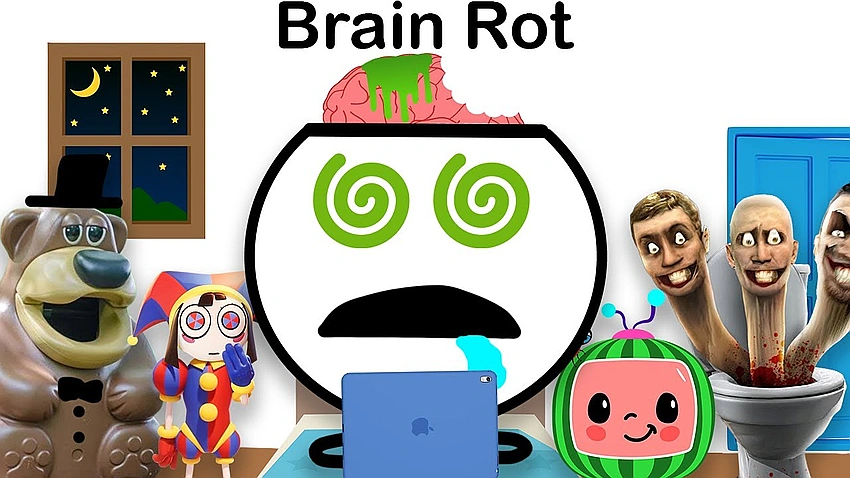
Lately, I’ve been pondering how we Gen Z term something “brainrot.” It’s a playful, self-aware term originally coined by Henry David Thoreau in Walden in 1854 to critique a cultural decline in intellectual exertion that has resurfaced as an Internet-age expression for the mental haze induced by mindless scrolling. In 2024, brain rot was even crowned Oxford University Press’s Word of the Year, having surged 230% in usage as social media culture popularised it into everyday slang.
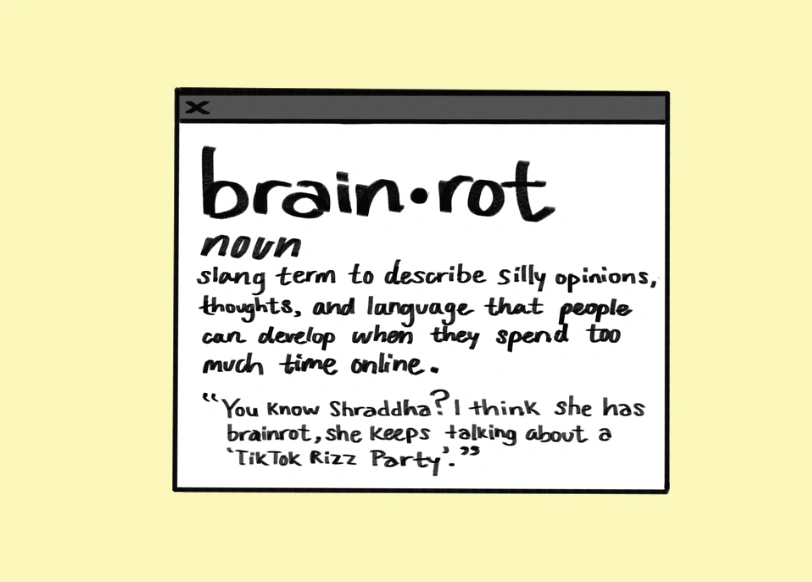
In contemporary Gen Z parlance, brainrot refers to the feeling of intellectual dullness, attention fatigue, or mental fog brought on by overconsumption of memes, TikToks, and low-effort digital media.
Slang as Identity
What fascinates me is how Gen Z and the even younger Gen Alpha aren’t just consuming new slang; we're living in it. Language morphs at internet speed. Terms like rizz (short for charisma) went viral and became Oxford’s Word of the Year for 2023. And with brainrot, we’re not just describing cultural fatigue; we’re naming it, owning it, and turning it into a linguistic badge of belonging.
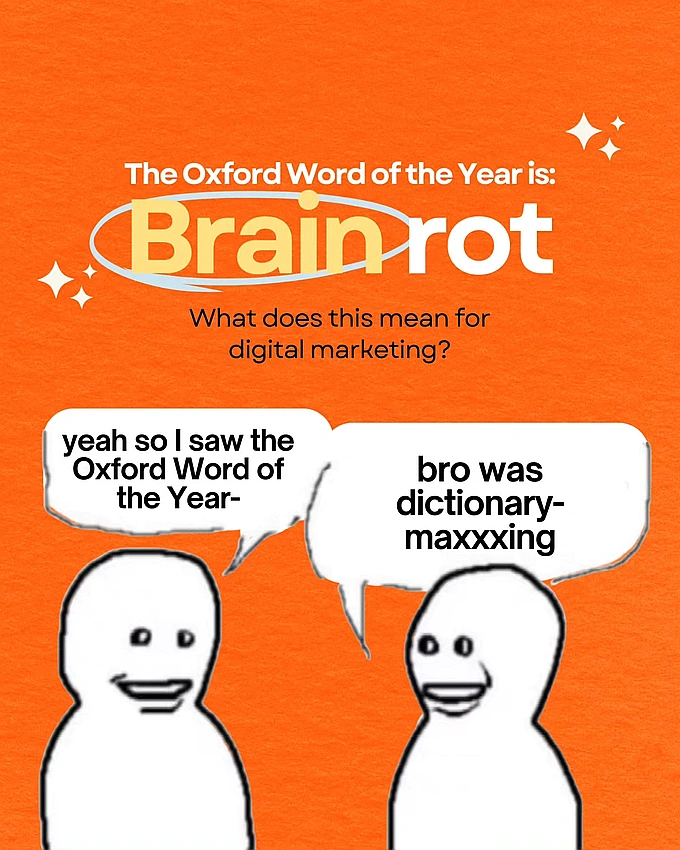
In effect, embracing brainrot means Gen Z acknowledges the absurdity of their digital environment. It's a wink to peers that says, “Yes, what I'm watching might be absurd, but I get it.” It functions as both a critique and a signifier of in-group savvy.
Cognitive Fog & Humour
There’s a dual tone here. On one hand, brainrot is ironic, laughable slang. On the other hand, health professionals warn that relentless low-value screen time, “doomscrolling,” endless TikTok loops can dull attention, disrupt memory, worsen mood, and impair sleep.
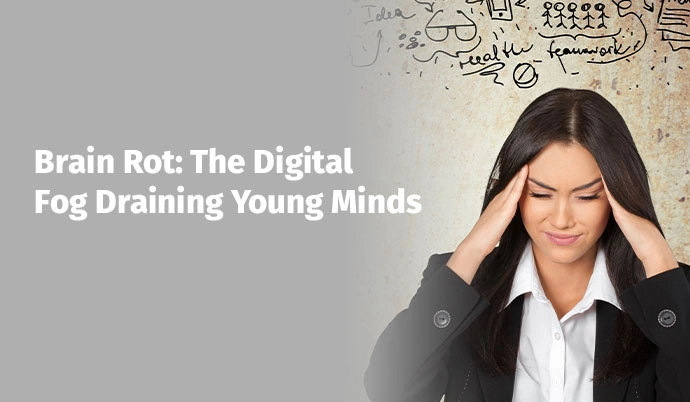
This is exactly where brainrot becomes literary fodder: the term encapsulates the tension between digital fatigue and generational humour. It's a metaphor for cognitive overload, ironically perfect for an era of frantic scrolling. I sense this duality when I watch my peers describe their brain as “mushy”, it's both a sigh and a smirk.
Brainrot in Action
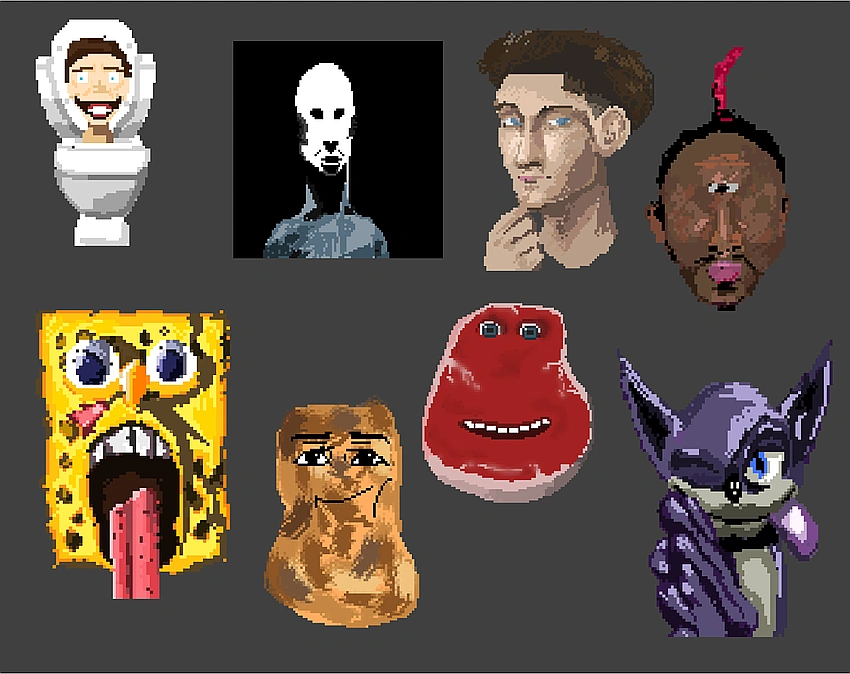
Part of the fun and the literary intrigue of brainrot is its kaleidoscopic slang universe. Words like “skibidi toilet”, “rizzlor”, “bet”, “gyatt”, “bussin”, “no cap”, and “delulu” populate comment sections, memes, and group chats as surreal touches that amplify the “digital stew” Gen Z stews in.
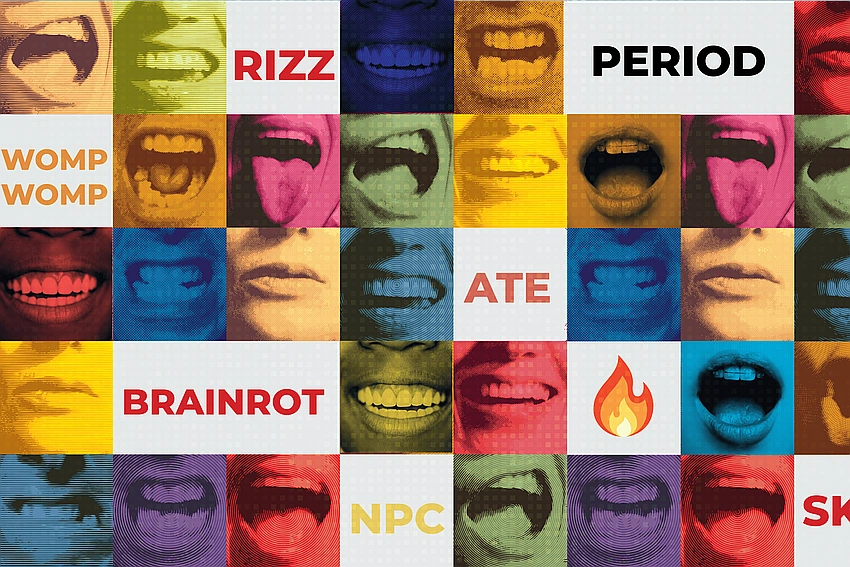
While Gen Z slang can be seen as the bridge between meme culture and linguistic invention (terms like 'slay', 'tea', and 'yeet'), Gen Alpha leans into more absurd, context-fluid expressions often designed to baffle older listeners.
I imagine Gen Z as translators, carrying forward Internet lore, while Gen Alpha is remixing the code in real time, one bizarre, hilarious token at a time.
The Gen-Z Voice
Writing this as a literature student, I’m intrigued by the way brainrot twists the traditional essay form of a literary blog, blending research, reflection, and authenticity. I’m not layering lofty theory; instead, I’m weaving personal insight into scholarly facts: that Thoreau used the phrase, that OUP recognised its digital rebirth, and that neuroscientists warn of real effects tied to endless scrolling.
My tone is intentionally conversational, almost as if I’m sharing a coffee jam session with readers: "I notice this, I wonder that, here’s a study I found, and oh, by the way, that word I just used buried an entire digital culture."
This approach echoes Gen Z’s literary instincts: self-aware humour, agile referencing, and the comfort of vulnerability, all grounded in information.
Final Reflections
Why care about brainrot? Because it’s not just slang, it’s a cultural mirror. It reflects how a generation experiences digital saturation and spins it into a linguistic expression. It’s self-diagnosis and social belonging, wrapped in absurdity.

Blogging about brainrot becomes a way of deciphering the environment you inhabit, of naming the haze, and perhaps, clearing a little of it.
If nothing else, I hope this blog essay invites more readers, particularly fellow literature students, to treat digital slang not as a frivolity but as a new kind of literature: fleeting, chaotic, but deeply revealing.
Here Are Some of My Favourite Brainrot Terms
I’m not immune to the digital fog either, and certain brainrot terms have stuck with me, partly because they’re ridiculous and partly because they’re linguistic artefacts of our era.
Skibidi Toilet
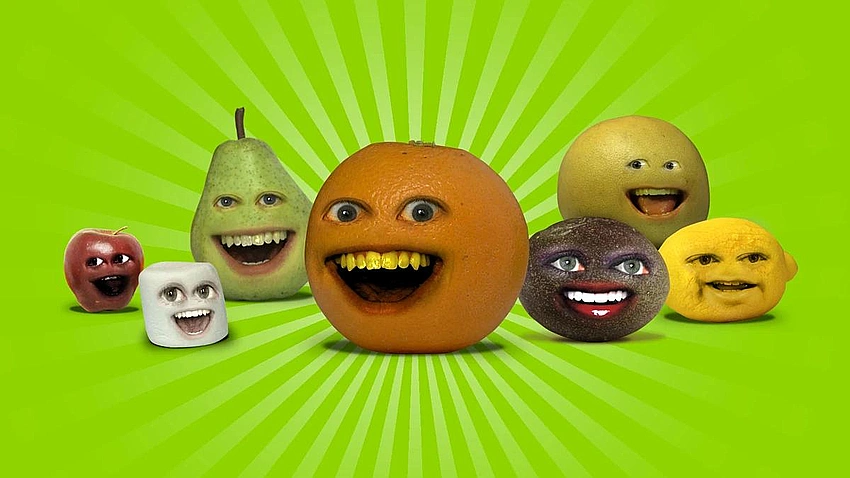
Pure chaos. There’s no rational reason for talking toilets with human heads to become a global phenomenon, yet here we are. Every time I hear “skibidi”, it feels like a reminder that the internet rewards the surreal over the sensible.
Delulu
A word that lets you admit to your ridiculous optimism without shame. Calling myself “delulu” feels like giving my ambitions a protective bubble, even if it’s all in jest.
Gyatt
I’m fascinated by how “gyatt” went from a streamer’s vocal reaction to a kind of multi-purpose exclamation. I’ve seen it used for sunsets, latte art, and, inexplicably, a picture of a pigeon.
#Brainrot #GenZ #Slang #DigitalCulture #MentalHealth #Doomscrolling #PopCulture #GenAlpha #SocialMedia
