Sabrina Carpenter’s Man’s Best Friend: Pop, Play, Provocation

Sabrina Carpenter’s Man’s Best Friend: Pop, Play, Provocation
Sabrina Carpenter’s Man’s Best Friend: Pop, Play, Provocation
Sabrina Carpenter's new album, Man's Best Friend, blends funky dance pop with country sounds with sharp social satire, sparking debate over its provocative cover and ambitious, genre-spanning production.
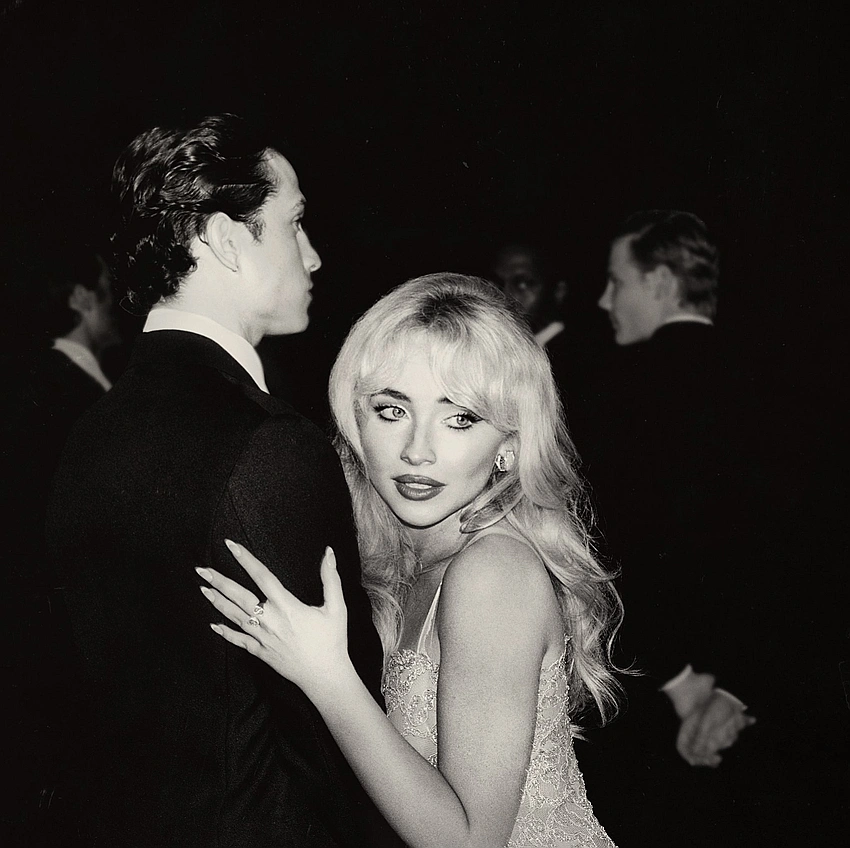
Sabrina Carpenter’s seventh studio album, Man’s Best Friend, arrives with a title that instantly courts interpretation. The phrase, traditionally used to describe a dog’s loyalty, is transformed into something more ambiguous. On its cover, Carpenter is positioned on all fours while a man tugs her hair, suggesting both satire and provocation. It is an image that sets the stage for a record concerned not only with catchy melodies but also with cultural commentary.
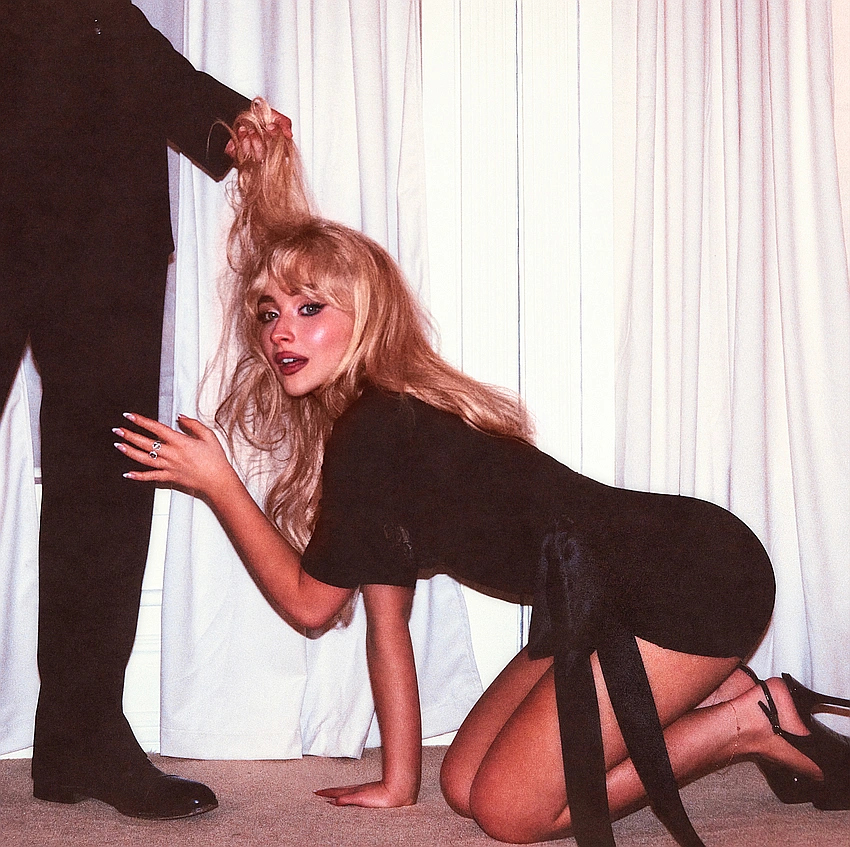
Released on 29 August 2025, the album has already divided opinion: some hear it as a playful, inventive body of work, while others worry about the implications of its imagery. What is undeniable, however, is that Man’s Best Friend insists on being read as more than background pop.
Sound and Structure: A Broad Palette
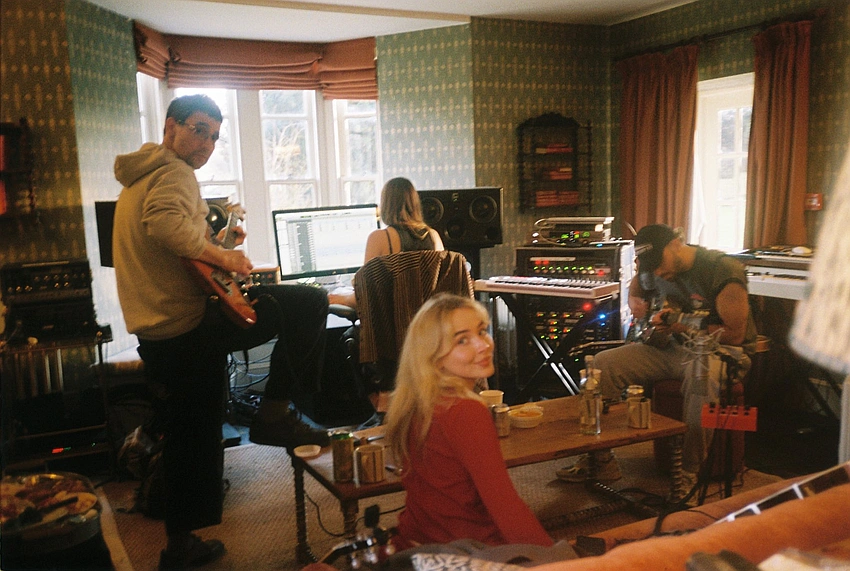
Musically, the album is striking for its eclecticism. Carpenter works with a wide range of instrumentation, including lap steel, strings, sitar, and even agogo percussion, which enriches the production and sets it apart from more formulaic pop records. This sonic variety enables her to transition seamlessly between disco-inspired grooves, folk-tinged ballads, and retro pop flourishes. At moments, the album nods towards the lush textures of Fleetwood Mac and ABBA, without ever lapsing into pure imitation.
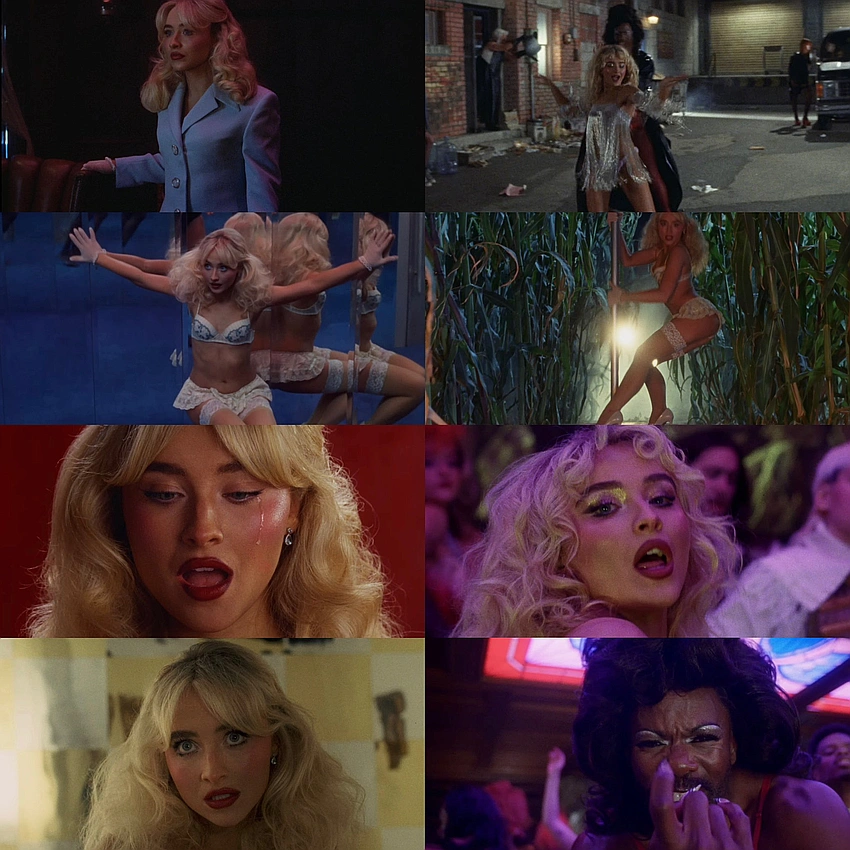
The result is a record that avoids uniformity. Each track feels crafted with its own atmosphere, which means the album operates almost like a collection of short stories—linked by theme but distinct in mood. This breadth of sound also matches the thematic playfulness of the lyrics, ensuring that the humour and innuendo never feel detached from the musical framework.
Lyrics, Humour, Irony
If the production provides richness, the lyrics provide sharpness. Carpenter leans heavily on humour, wordplay, and double entendre. Songs transform everyday scenarios, flat-pack furniture, wellness culture, and misdialled messages into material for wit and irony.
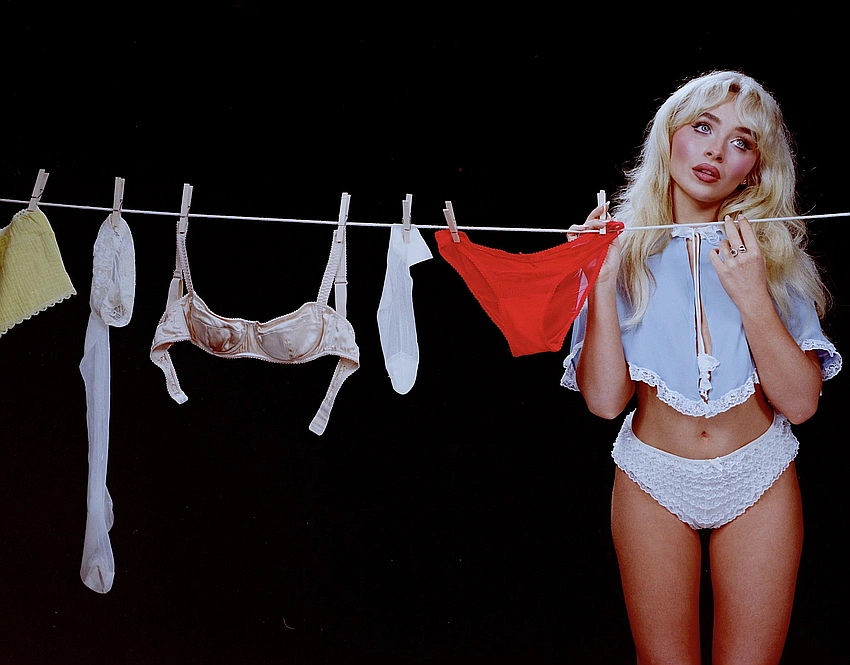
This comic sensibility is key to the album’s distinctiveness. Pop often leans on sincerity or melodrama, but Carpenter builds her songs around self-awareness. The humour is not dismissive but strategic: it reimagines romantic frustration, self-doubt, and desire through satire. In doing so, she transforms what might have been clichés into fresh perspectives.
For a listener, the experience is not unlike reading a novel of manners: irony and wit do not erase the seriousness of the themes but rather sharpen their edges.
Subversion or Repetition?
Perhaps inevitably, the album has provoked cultural debate. The imagery, especially the cover art, has been criticised by some as reinforcing the male gaze or trivialising power dynamics. Others see it as deliberate subversion: a pop star taking ownership of imagery that has long been used against women and reframing it through humour.
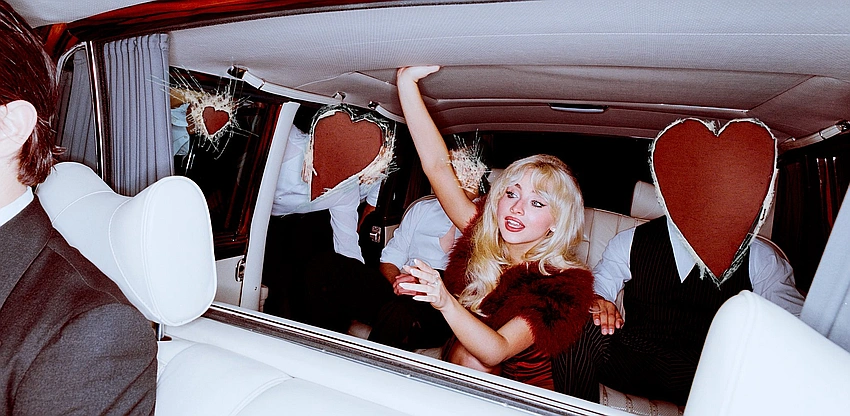
This duality is central to the album’s cultural significance. Carpenter’s work does not offer easy answers. Instead, it highlights the tension between empowerment and objectification, provocation and parody. Whether one finds the imagery liberating or troubling may depend less on the album itself than on the frameworks one brings to it.
Across these discourses, one theme recurs: Carpenter is positioning herself not simply as a pop star but as a performer in control of her narrative voice. Comedy is not a distraction here—it is the method.
A Literature Student’s Perspective
Approaching the album from a literary angle, I am amused by its use of humour as structure. Like satire or parody in literature, Carpenter’s music uses comedy to illuminate social norms and anxieties. The songs often mirror the comic mode of writers like Jane Austen or Oscar Wilde, where wit is a vehicle for critique rather than evasion.
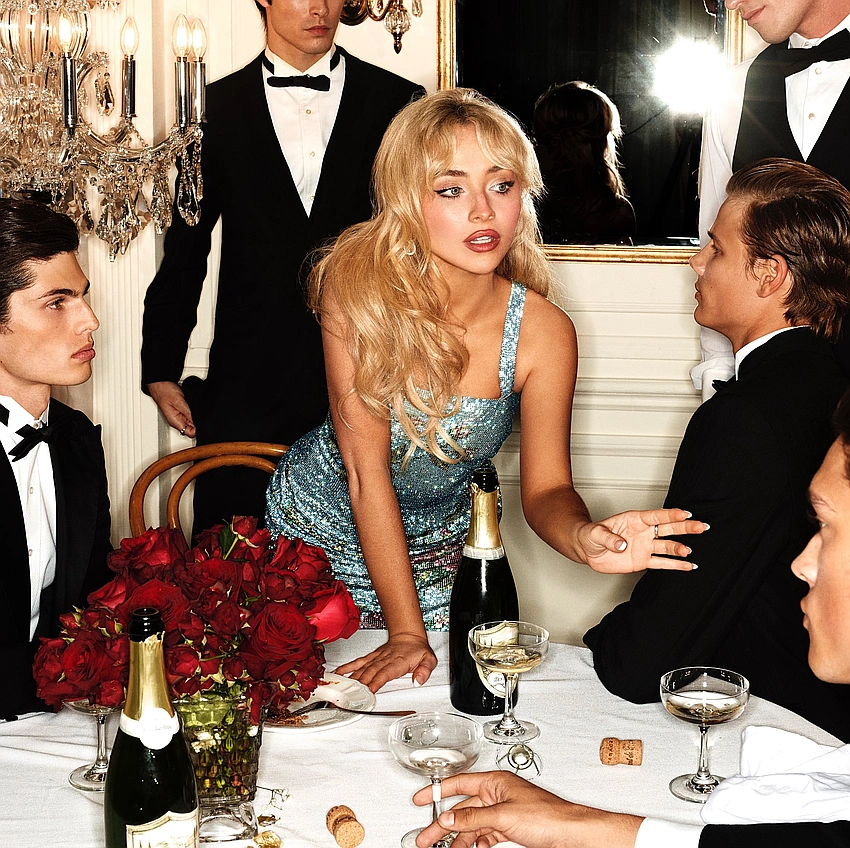
At the same time, Man’s Best Friend embraces ambiguity. The imagery is simultaneously comic and serious, liberating and questionable. That ambiguity, far from being a weakness, makes the album a rich cultural text. It resists a single reading, inviting us instead to examine the unstable relationship between performance, gender, and power.
A Pop Record Worth Reading
Man’s Best Friend is not simply a collection of songs; it is a work that rewards analysis. Its sonic breadth, lyrical wit, and provocative imagery combine to produce an album that is both entertaining and intellectually engaging. Whether one hears it as subversion or as spectacle, the record’s refusal to resolve these tensions is precisely what makes it compelling.
Carpenter has made an album that can be danced to, laughed at, critiqued, and studied. That versatility is rare in pop, and it explains why Man’s Best Friend is already being treated as more than a passing release. For those of us who read culture through a literary lens, it is a reminder that pop music, too, can be text—playful, layered, and worthy of serious attention.
#SabrinaCarpenter #MansBestFriend #NewMusic #CulturalCommentary #AlbumReview #PopMusic #PopCulture
